Urgent.News

What's breaking now, across thousands of outlets.

Tech

Cops Are Asking Axon to Make Their Cameras Look Different From Flock So People Don't Destroy Them

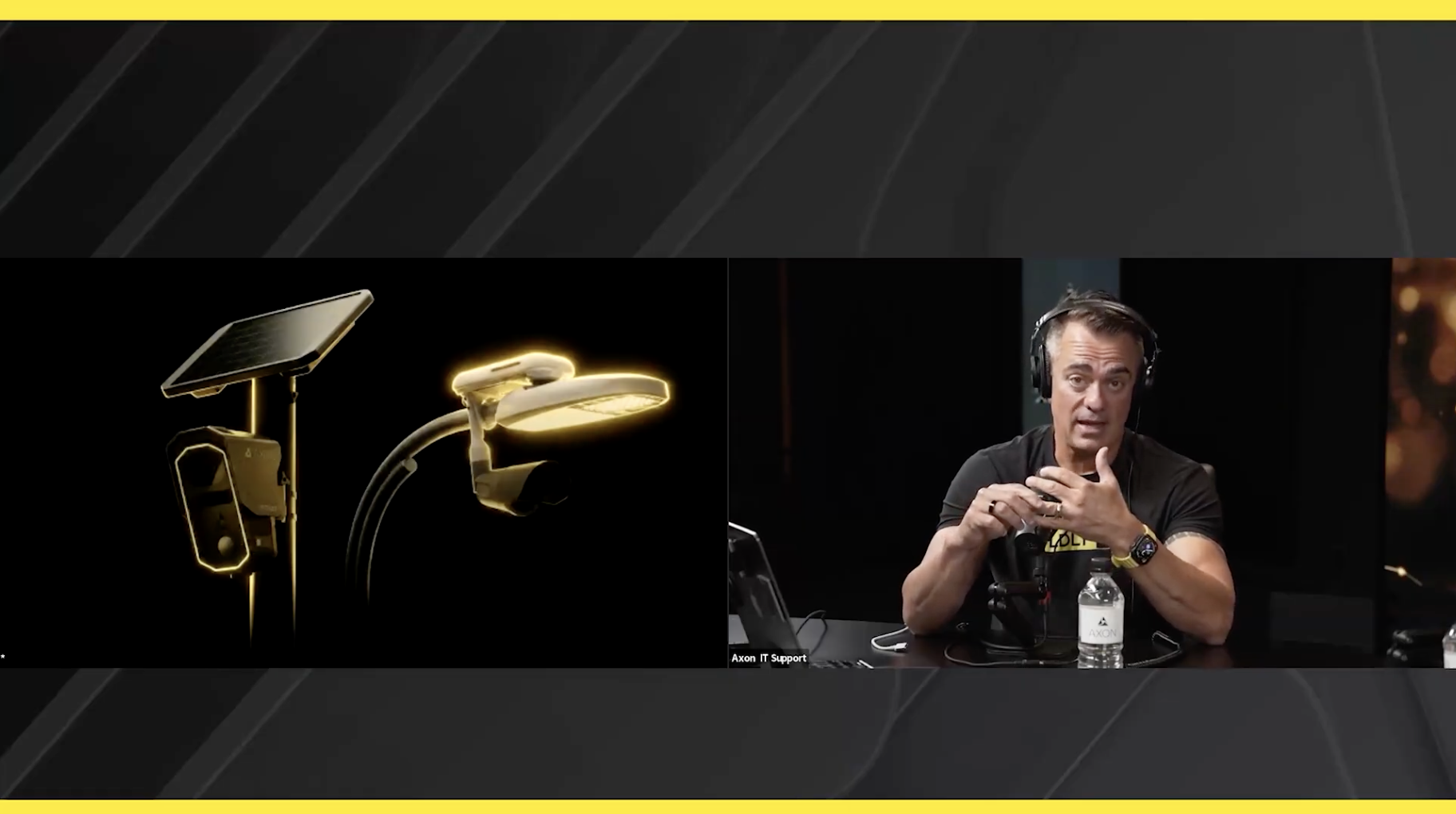
“Is there any talk to redesign the Outpost to not look exactly like the Flock camera — I think it will help agencies with the optics while we batten down the hatches,” one apparent cop asked during a now deleted Axon webinar.
Cops Are Asking Axon to Make Their Cameras Look Different From Flock So People Don't Destroy Them

Law enforcement agencies are requesting Axon to alter the appearance of its automatic license plate readers (ALPRs) to differentiate them from Flock cameras, according to remarks made by Axon's CEO in a deleted webinar. This request stems from the increasing vandalism of Flock cameras, which has led to backlash against the technology.

In the webinar titled "From backlash to trust," Axon's CEO, Rick Smith, mentioned that customers had expressed a desire for a camera redesign to address the optics issue while reinforcing the security measures against vandalism. Additionally, Smith suggested that Axon could develop a more conspicuous ALPR camera by placing signs and providing information about the city's ALPR policies.

The Flock cameras, which are connected to a national network, allow law enforcement officers in one jurisdiction to search cameras in other jurisdictions, which has contributed to the decision of some cities to switch from Flock to Axon cameras. Examples of Flock camera vandalism include tearing them down, backing trucks into them, and spray painting over their lenses. These acts of vandalism have resulted in arrests and charges against several individuals.

Written by urgent.news from 404 Media's reporting — not their text. Machine-written — may contain errors; check the original before relying on it.


Read the original at 404media.co →

More in Tech

Why Your First Free-Model Pilot Fails (and How to Make It Survive 100K Requests)

Every free AI pilot I see dies the same way: the team celebrates the free tier on day one, ships a naive integration by day three, and hits the quota by day ten.

  • Free model pilots fail due to token quota exhaustion within days
  • Poorly engineered prompt loop wastes tokens on unnecessary boilerplate and redundant calls
  • Stress test with 100K requests ensures pilot survives before moving to paid tiers

Why Is the Swagger Petstore Example a Bad REST API Design?

TL;DR The Swagger Petstore is useful for demonstrating OpenAPI, but it is a poor REST design reference. It mixes singular and plural resource names, puts action verbs in URLs, uses incorrect HTTP…

  • Swagger Petstore mixes singular and plural resource names
  • Uses action verbs in URLs for endpoints
  • Returns incorrect HTTP status codes and non-standard errors

It Ran for Three Weeks and Never Caught Anything

It Ran for Three Weeks and Never Caught Anything At 6:05 this morning, I woke up inside a heartbeat with a task: "add the missing edges to the memory index." The task description said: 30 nodes, 0…

  • Automated system ran for three weeks without detecting issues
  • System failed to recognize 16 edges in three different formats
  • Logs showed everything was fine despite half-accurate input

Free Tokens Burn Fast: A Field Guide to MonkeyCode's Generosity

The 10-million-token grant and the zero-cost server are brilliant for prototypes and miserable for production. Treat them as a debugging bench, not a deployment contract.

  • Free tier of model access and server resources from MonkeyCode
  • Monitor token usage and server capacity to manage constraints
  • Set exit criteria based on latency, error rates, and token consumption

More from Wednesday 2 September →