Colombia Takes First Step Toward Producing its Own Fertilizers
Colombia, a country traditionally dependent on fertilizer imports, has just taken its first step toward beginning to produce these materials and leaving behind its dependence on foreign supplies. The Ministry of Agriculture and Rural Development and the Government of the department of Huila joined efforts to advance the feasibility study for a fertilizer plant that […]
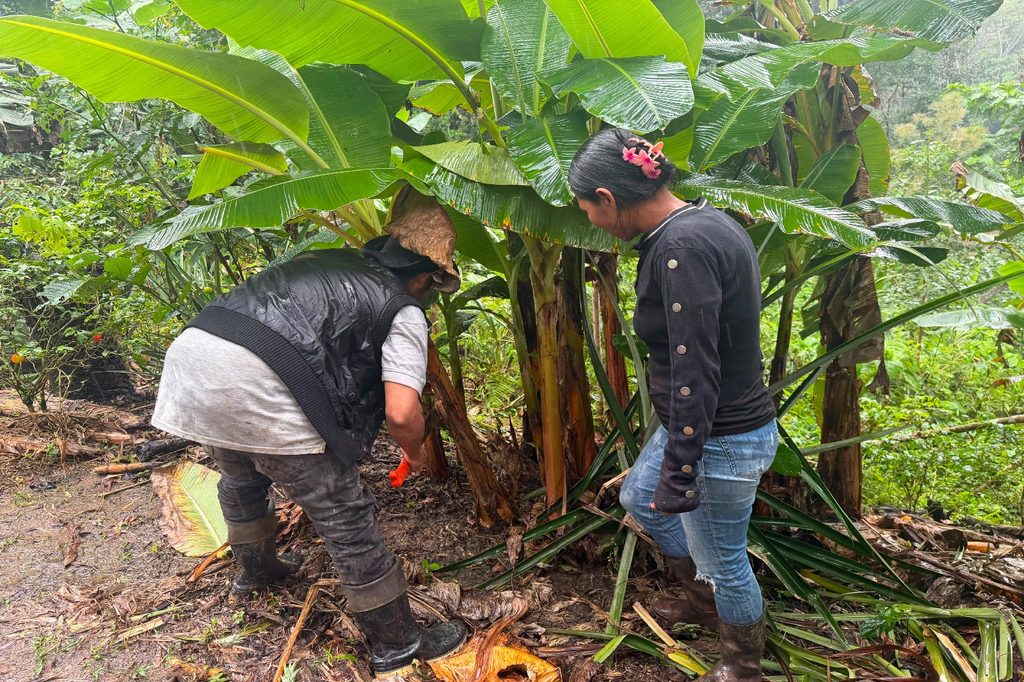
Colombia has embarked on its journey to produce its own fertilizers, marking a significant step towards reducing its dependence on foreign imports. This initiative aims to strengthen the country's agricultural sector, enhance food security, and increase profitability for farmers. The Ministry of Agriculture and Rural Development, in collaboration with the Government of Huila, has initiated the feasibility study for a fertilizer plant that will initially cater to the needs of Huila, and eventually expand to other departments such as Valle del Cauca, Cauca, the Coffee Region, and the Altillanura.
The move comes as fertilizer imports have significantly increased over the past few years. In 2023, Colombia imported 1,969,415 metric tons of fertilizers, and this number rose to 2,041,825 metric tons in 2024, with a projected growth of nearly 4.5% in 2025, reaching approximately 2,132,600 metric tons. This surge in imports highlights the country's heavy reliance on foreign sources, with nearly 90% of the domestic market supplied through imports.
The proposed fertilizer plant, a mixed-ownership venture involving the Ministry of Agriculture, Huila's government, Finagro’s Venture Capital Fund, the National Federation of Coffee Growers, and representatives from sugarcane and cocoa producers, marks a strategic move to bolster domestic production. Minister Indalecio Dangond Baquero emphasized the urgency of this shift, stating that relying solely on imports is no longer sustainable.
"Colombia has producers, territory, knowledge, and the capacity to begin manufacturing here the inputs our agricultural sector needs," he stated, underscoring the potential for cheaper and more profitable agricultural production within the country.
This initiative is not just about producing fertilizers; it is a commitment to productive sovereignty, ensuring that a larger share of the value chain remains within Colombia. By reducing dependency on international supplies, Colombia aims to stabilize its agricultural sector against global price fluctuations and supply chain disruptions.
The Norwegian multinational Yara currently dominates the fertilizer import market, accounting for nearly 19.8% of total imports in 2025, followed by Precisagro at 13.2%, and Nitrofert + Nitrocaribe at 12.4%. These major players underscore the scale of foreign dependency, with together they represent nearly 80% of the country's fertilizer imports.
Written by urgent.news from Colombia One's reporting — not their text. Machine-written — may contain errors; check the original before relying on it.