Big tech is investing millions in data centers and saving a quick tax buck while doing it—leaving some states collecting revenue loss
36 out of the 50 states in the country employ tax incentives for data center development, allowing the projects to save on equipment costs.
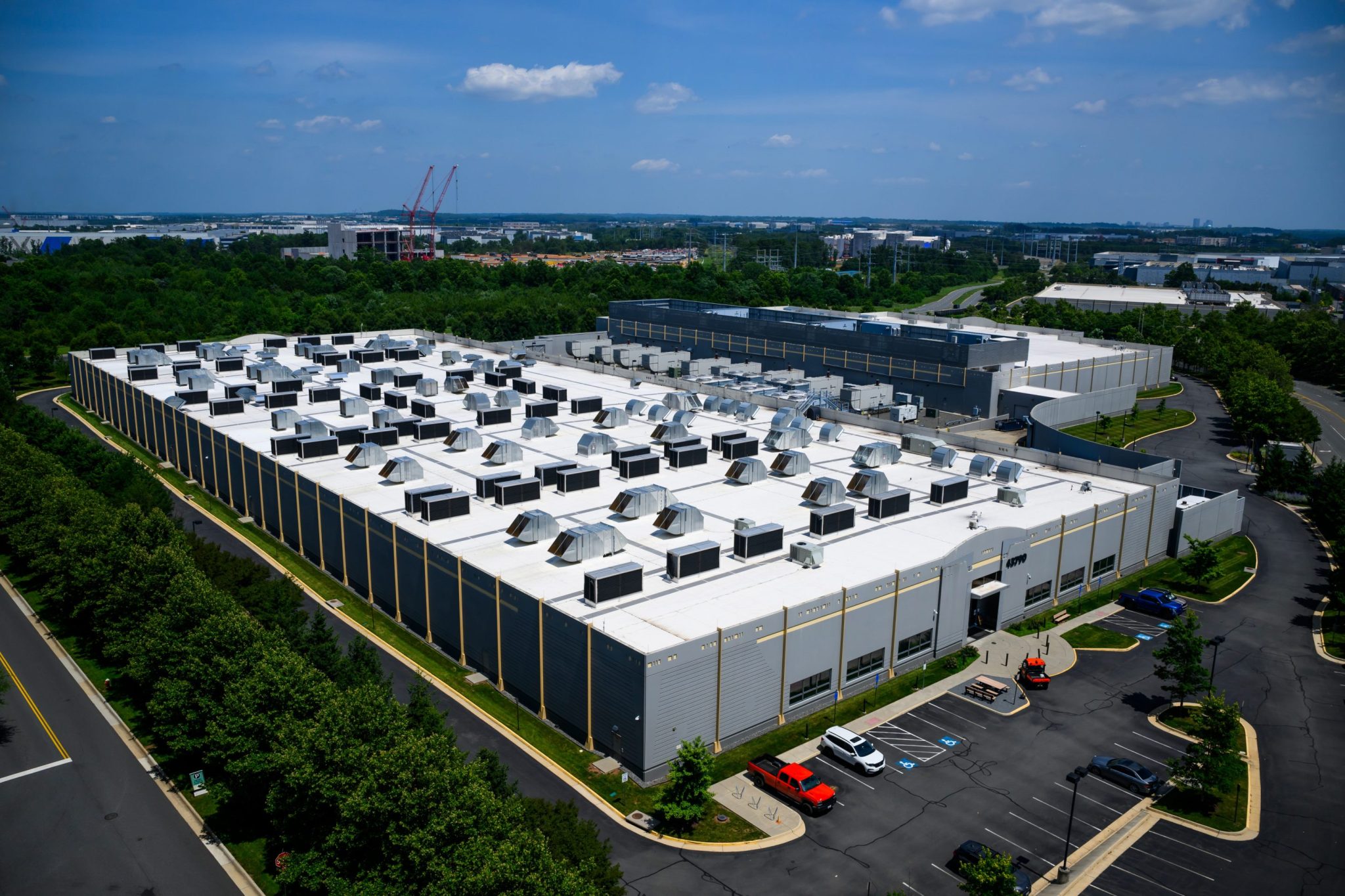
Big tech companies are pouring millions into constructing data centers, while simultaneously benefiting from state tax incentives. This trend is causing some states to lose significant revenue. According to a JLL report, the global data center sector is expected to grow at a 14% compound annual rate through 2030, with hyperscalers playing a key role in this expansion.
Nearly three-quarters of the 50 U.S. states offer tax incentives for data center development, including exemptions from sales and use tax, property tax, and financial transactions tax. Eligibility for these incentives varies by state, with some requiring substantial capital investments and others focusing on square footage and employment metrics.
States like New York and Illinois have no minimum investment requirements for tax exemptions, while others, such as Texas and Maine, have more stringent criteria. New York's tax incentives cover property, services, equipment, and contracts, while Illinois offers exemptions from state and local sales and use taxes on tangible personal property used in data center operations. These exemptions can last up to 20 years, with renewals contingent on continued investment from the data center.
The tax exemptions are particularly advantageous for data centers due to the high capital expenditures required for equipment replacement and system upgrades. A $5 billion data center could spend over a billion dollars annually on machinery and equipment, making sales taxation a significant factor in development decisions. Furthermore, the nature of AI computing equipment often leads to a short lifespan, typically around three years, which amplifies the state's tax loss.
The lack of state revenue from these tax exemptions creates a financial burden for some states. An investigative report by Good Jobs First revealed that at least 14 states have failed to disclose the revenue losses from data center tax abatements. Illinois, for example, has witnessed a significant increase in data center projects awarded sales and use tax exemptions, from six in 2020 to 27 by 2024.
The state's exemptions cover servers, computers, data storage devices, electrical systems, network and telecommunications infrastructure, software, climate control systems, and building materials, with a 20% income tax credit on wages paid to construction workers.
To be eligible for these exemptions, states like Illinois and Virginia require substantial minimum capital investments, ranging from $250 million in Illinois to $150 million in Virginia. These requirements aim to ensure that only significant projects receive the tax benefits. Despite these measures, the economic benefits of data centers are not evenly distributed, with only a slight increase in employment, wages, and household income.
Additionally, the electricity costs associated with AI buildouts can rise by about 5%, straining local infrastructure and electricity prices. While data centers may provide short-term economic gains, the long-term benefits are less substantial, raising questions about whether these investments and tax incentives are truly stimulating the economy.
Written by urgent.news from Fortune's reporting — not their text. Machine-written — may contain errors; check the original before relying on it.