AI-assisted mushroom hunting is a recipe for a bad trip
Even the best model gets fungus identification right just 65% of the time - talk about a false friend
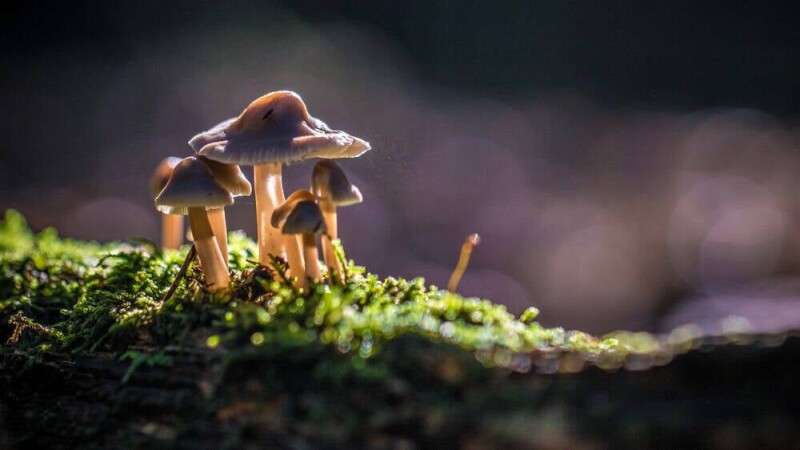
An AI software engineer has conducted an experiment revealing that artificial intelligence models are unreliable when it comes to identifying mushrooms in the forest. Piotr Migdał, a founding engineer at AI analytics firm Quesma, tested several models including ChatGPT and Qwen to assess their accuracy in determining safe or poisonous mushrooms.
The experiment involved analyzing 1,040 photos of 55 mushroom species using 16 models, with 20 photos per species where possible and additional data from rare species. The results indicated that none of the models could be trusted with life-threatening decisions. The best-performing model, Gemini-3.8-flash, was correct 65% of the time, while Qwen3.8-27b performed the worst at 13% accuracy on the first guess.
The most dangerous misidentifications included mistaking deadly webcap for chanterelle (35% error rate), death cap for edible mushrooms (16% error rate), and fool's funnel for safe species (48% error rate). Migdał emphasized that while AI errors may not always result in harm, they are unacceptable as they could lead to dire consequences.
He strongly advised against relying on AI models for mushroom identification and instead recommended trusting human judgment and experience when foraging.
Written by urgent.news from The Register Science's reporting — not their text. Machine-written — may contain errors; check the original before relying on it.
This story
This is one outlet's version. Read the fullest account.
- AI-assisted mushroom hunting is a recipe for a bad trip theregister.com