AI-assisted mushroom hunting is a recipe for a bad trip
Even the best model gets fungus identification right just 65% of the time - talk about a false friend
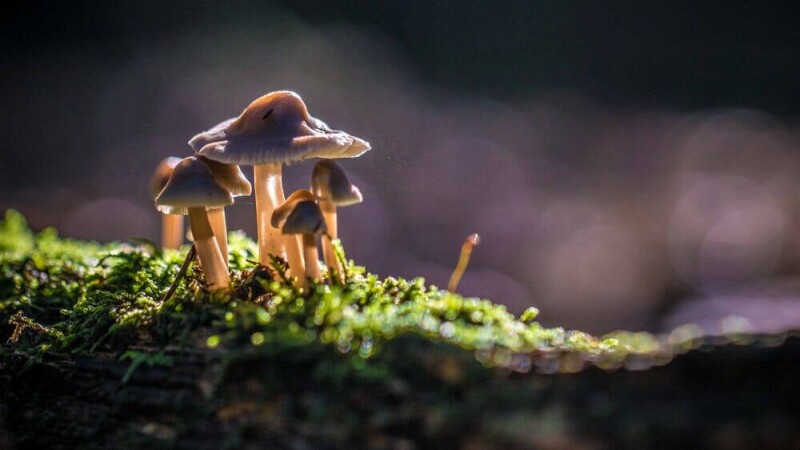
A Polish software engineer conducted an experiment to test the reliability of AI models in identifying safe and poisonous mushrooms. Using a dataset of 55 mushroom species from Danish and Polish forests, he ran 1,040 photos through 16 models, with 20 photos per species where available and additional photos for rarer species from a validation set.
The best performing model, Gemini-3.8-flash, correctly identified species 65% of the time as its first guess, while Qwen3.8-27b performed the worst, with only a 13% chance of correctly identifying species in its first guess. The most dangerous misidentifications included calling a deadly webcap a chanterelle and mistaking the fatal dapperling for a similar safe species, with the latter occurring in 31% of cases.
While some false negatives were noted, Migdał warned that trusting AI for mushroom identification is unadvisable, as even well-trained humans struggle with distinguishing similar-looking species. He emphasized that it is crucial to avoid consuming a mushroom simply because AI suggested it was safe, as the risks are far too high.
Written by urgent.news from The Register Software's reporting — not their text. Machine-written — may contain errors; check the original before relying on it.
Also reported by 1 other outlet
- AI-assisted mushroom hunting is a recipe for a bad trip theregister.com