AI-assisted mushroom hunting is a recipe for a bad trip
Even the best model gets fungus identification right just 65% of the time - talk about a false friend
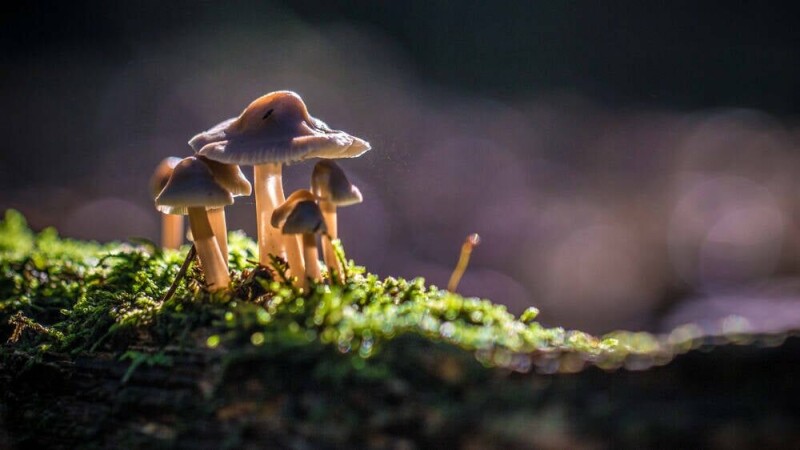
Polish software engineer Piotr Migdał ran an experiment using AI models to test their ability to identify mushrooms safely for consumption. He used a dataset of 55 species, comparing 16 models on 1,040 photos, running 20 photos per species when available. The best performing model, Gemini-3.8-flash, was correct 65 percent of the time, identifying the correct species in its top five guesses 85 percent of the time.
However, there's a 35 percent chance it would get the identification wrong, making AI assistance unreliable for mushroom identification. Other models, like Qwen3.8-27b, performed even worse, correctly identifying mushrooms as safe or poisonous only 13 percent of the time. The most dangerous mistakes made by AI models included mistaking a deadly webcap for a chanterelle, the death cap for a safe mushroom, and the dapperling for a closely related but edible species.
Migdał emphasized the risks of relying on AI for mushroom identification, stating that "AI slop … might be annoying, but it is fixable with a few prompts, or a manual edit," but that "it is much better than having to prompt 'Do I need a liver transplant?'" He recommends trusting one's own knowledge or experience in mushroom hunting, as even well-trained humans can struggle to differentiate between dangerous and safe species.
Written by urgent.news from The Register's reporting — not their text. Machine-written — may contain errors; check the original before relying on it.
This story
This is one outlet's version. Read the fullest account.
- AI-assisted mushroom hunting is a recipe for a bad trip theregister.com