A tightrope for Islamabad
EDITORIAL: Pakistan’s calibrated response to Washington’s latest campaign of economic pressure against Iran is understandable. But given the country’s geographic, economic and diplomatic realities, Islamabad cannot afford to treat the threat of secondary sanctions as a matter for watchful waiting. It needs to prepare for the fallout while continuing to press for an end to the conflict that has…
In response to Washington's latest economic pressure campaign against Iran, Pakistan must act beyond mere cautious waiting. The country's strategic position demands preparing for potential secondary sanctions fallout while actively advocating for an end to the conflict that created this predicament. The US has unveiled "Operation Economic D-Day", threatening severe sanctions on countries and entities trading with Iran.
These sanctions cover various sectors, including shipping, aviation, technology, gold, and digital assets, aiming to cut off Iran's revenue streams.
Pakistan's Foreign Office maintains a cautious stance, stating adherence to international law and bilateral agreements while hoping economic matters will be part of an eventual settlement between the US and Iran. This balanced approach acknowledges the importance of maintaining strong economic ties with both Washington and Tehran.
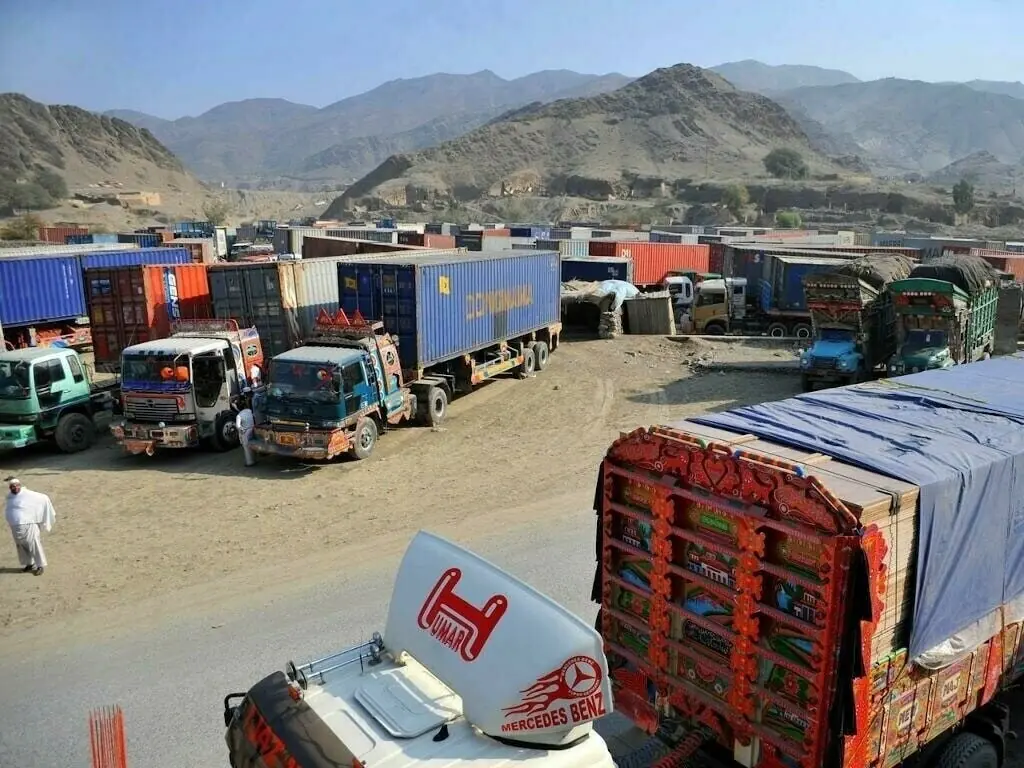
While the US remains Pakistan's largest export market and a major geopolitical partner, Iran is its closest neighbor, making cordial relations with Tehran crucial for economic and regional interests. Informal bilateral trade, estimated at around USD800 million annually, is already at risk due to security concerns along the border route and potential new US sanctions.
The commerce ministry's lack of a concrete contingency plan is troubling. Islamabad must urgently identify and map the sectors, traders, border crossings, and supply chains most vulnerable to the new measures. Developing practical alternatives for exporters and businesses is crucial, especially considering recent progress in formal trade facilitation. The recent Pak-Iran Joint Trade Committee meeting saw both sides agreeing to improve customs operations, border-crossing capacity, and connectivity in railways and air-cargo.
Meanwhile, Pakistan's foreign ministry should leverage its relationship with Washington more proactively. Seeking exemptions and carve-outs for essential humanitarian and legitimate commercial trade is vital. Islamabad should also argue against the disproportionate costs that indiscriminate secondary sanctions would impose on the Iranian people.
Ultimately, Pakistan's interests lie in maintaining constructive relations with both the US and Iran. Diplomacy and economic preparedness are key. Encouraging the US and Iran to recognize the costs of prolonged conflict and return to negotiations should remain a top priority for Pakistan and other regional countries. Until then, Islamabad must brace for the consequences of a conflict it neither instigated nor can afford to overlook.
Written by urgent.news from Business Recorder's reporting — not their text. Machine-written — may contain errors; check the original before relying on it.