A Prop 65 Crash Course: What You Need to Know (2026)
If you see a Prop 65 warning, don’t fret. Here’s what you need to know.
A Prop 65 Crash Course: What You Need to Know (2026)
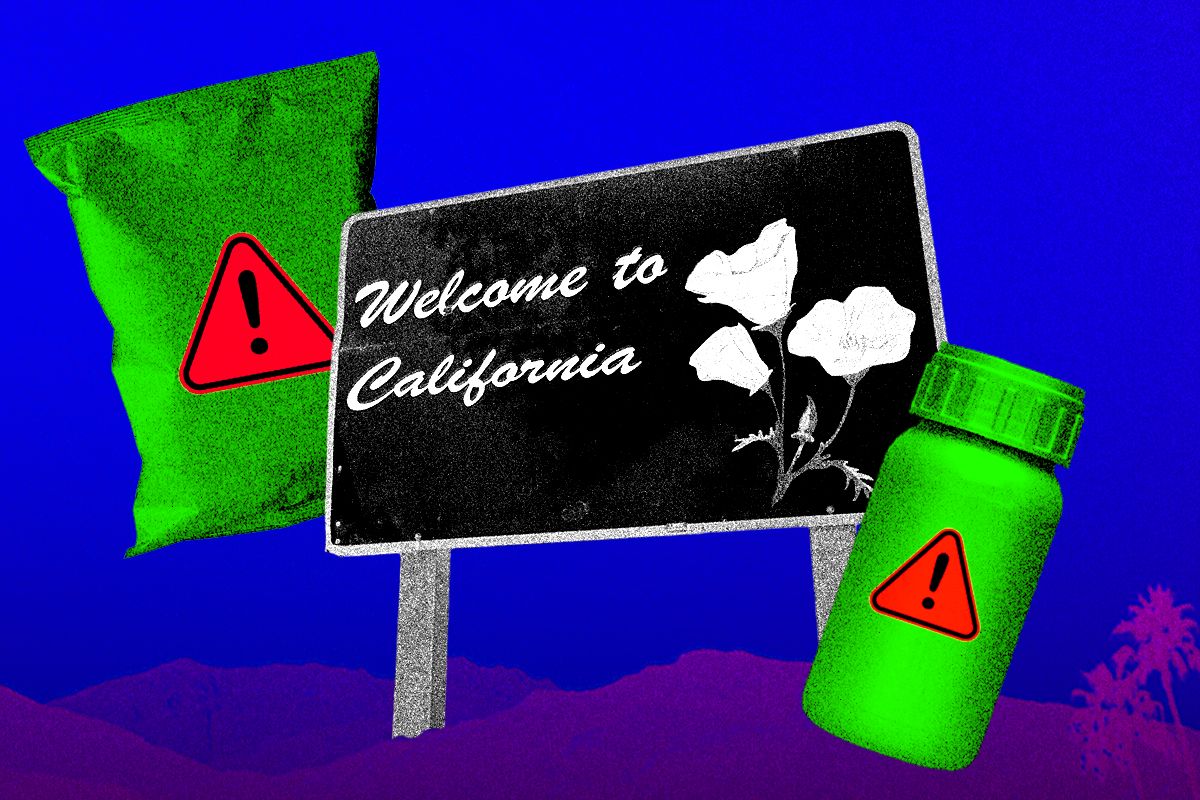
Proposition 65, also known as the Safe Drinking Water and Toxic Enforcement Act, was approved by California voters in 1986. The law requires businesses to provide warning labels when their products may expose consumers to chemicals that could cause cancer or reproductive harm over time. However, the law does not ban these chemicals; instead, it aims to inform consumers about potential exposure.
The warning labels can be found on a wide variety of products, including food, cosmetics, electronics, and household goods. Despite being in effect for over 30 years, the warning labels continue to confuse many consumers. While it may be tempting to avoid all products with Prop 65 warnings, it is not necessary to do so.
There are a few things to keep in mind when encountering a Prop 65 warning. First, the warning does not necessarily mean that the product contains a dangerous amount of a chemical or that it has been tested for such exposure. Some companies choose to post a warning instead of testing or reformulating their products. Additionally, a product without a warning is not necessarily free of hazardous chemicals, as it may have passed the testing process or simply been tested and found to be within safe limits.
While Prop 65 warnings can help inform consumers about potential risks, they can also be overwhelming due to their ubiquity. California has taken steps to address this issue by requiring businesses to include at least one chemical responsible for the warning in their labels, rather than using generic language such as "may cause cancer or reproductive harm."
The state is also working to educate businesses and consumers about when a warning is required and when it is not. Ultimately, Prop 65 warnings serve as useful information for reducing exposure to harmful chemicals, but they are not a definitive verdict on the safety of a product.
Written by urgent.news from Wired's reporting — not their text. Machine-written — may contain errors; check the original before relying on it.
This story
This is one outlet's version. Read the fullest account.