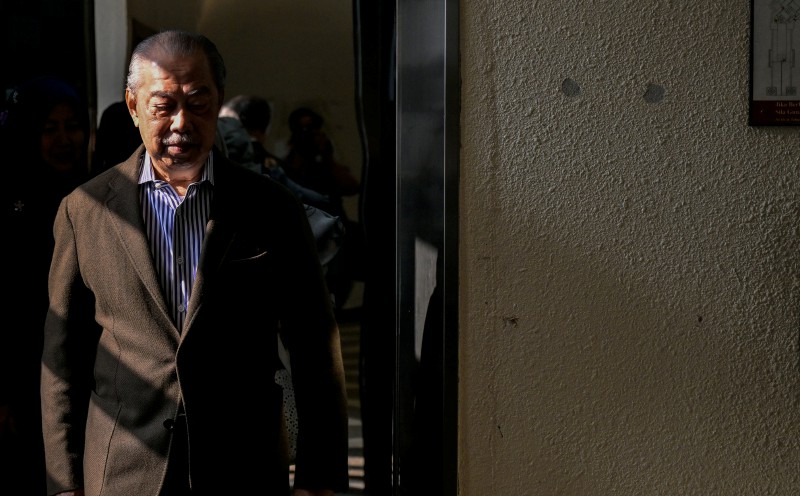
Why Army Secretary Dan Driscoll resigned
Two key reasons led to Army Secretary Dan Driscoll's resignation, announced Monday : the feeling that his modernization initiatives were being blocked, and the chaos created by Defense Secretary Pete Hegseth's firing of senior generals. Why it matters: Driscoll's wartime resignation, on top of Hegseth's firing of Army Chief of Staff Gen. Randy George this spring, leaves the military's largest…
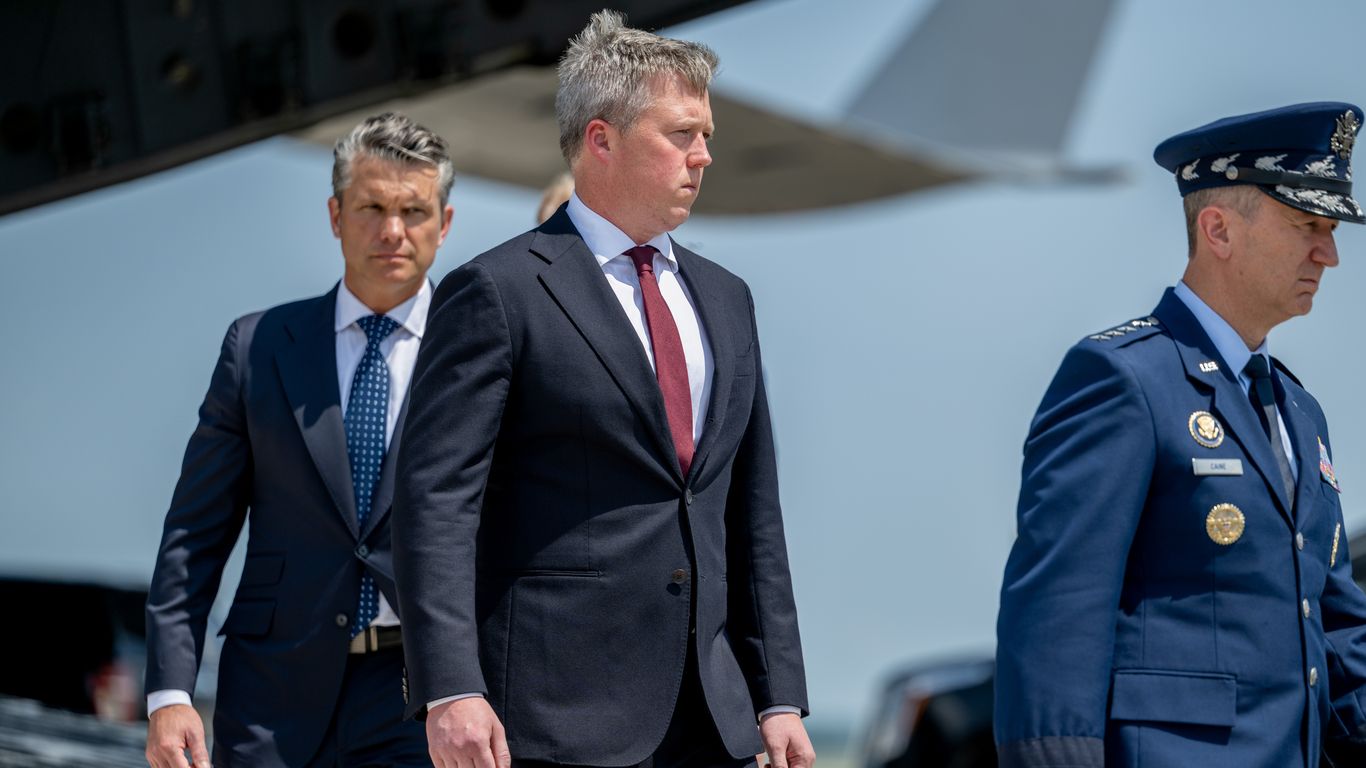
Two primary factors contributed to Army Secretary Dan Driscoll's resignation, announced on Monday: his belief that his modernization initiatives were being obstructed and the turmoil initiated by Defense Secretary Pete Hegseth's dismissal of senior generals. This resignation carries significant weight, as it leaves the military's largest service without confirmed leadership, either civilian or uniformed, following Hegseth's firing of Army Chief of Staff Gen. Randy George earlier this spring.
Underneath the surface, Driscoll had a private conversation with President Trump, where he expressed his concerns about the Army's state. The atmosphere surrounding the situation was described as "sad" by an unnamed source. A White House official revealed that Driscoll was offered an extension, pending the midterm elections, but he informed the administration that it was time for him to depart.
Driscoll, once a rising star in the Trump administration, found himself at odds with Hegseth due to a strained relationship and Hegseth's distrust of Driscoll, partly stemming from Driscoll's close ties with Vice President JD Vance, a Yale Law School classmate. The defense secretary was reportedly suspicious and paranoid towards Driscoll, perceptions fueled by Driscoll's strong bond with Vance.
The Army Transformation Initiative, a project close to Driscoll's heart, aimed to merge two commands — the Futures Command and the Training and Doctrine Command — and reduce expensive weaponry, including the AH-64D Apache, M10 Booker, and Gray Eagle drone. Driscoll and Gen. Randy George championed this initiative, advocating for significant changes in the army's structure and resource allocation.
As "drone guy," Driscoll had quickly ascended in the Trump administration, largely due to his willingness to engage with media outside the Pentagon's preferred conservative press pool and his extensive travel schedule. His confirmation process attracted some Democratic support, with 16 Democrats backing his nomination.
Written by urgent.news from Axios's reporting — not their text. Machine-written — may contain errors; check the original before relying on it.