What makes this SCO summit different for India is Iran
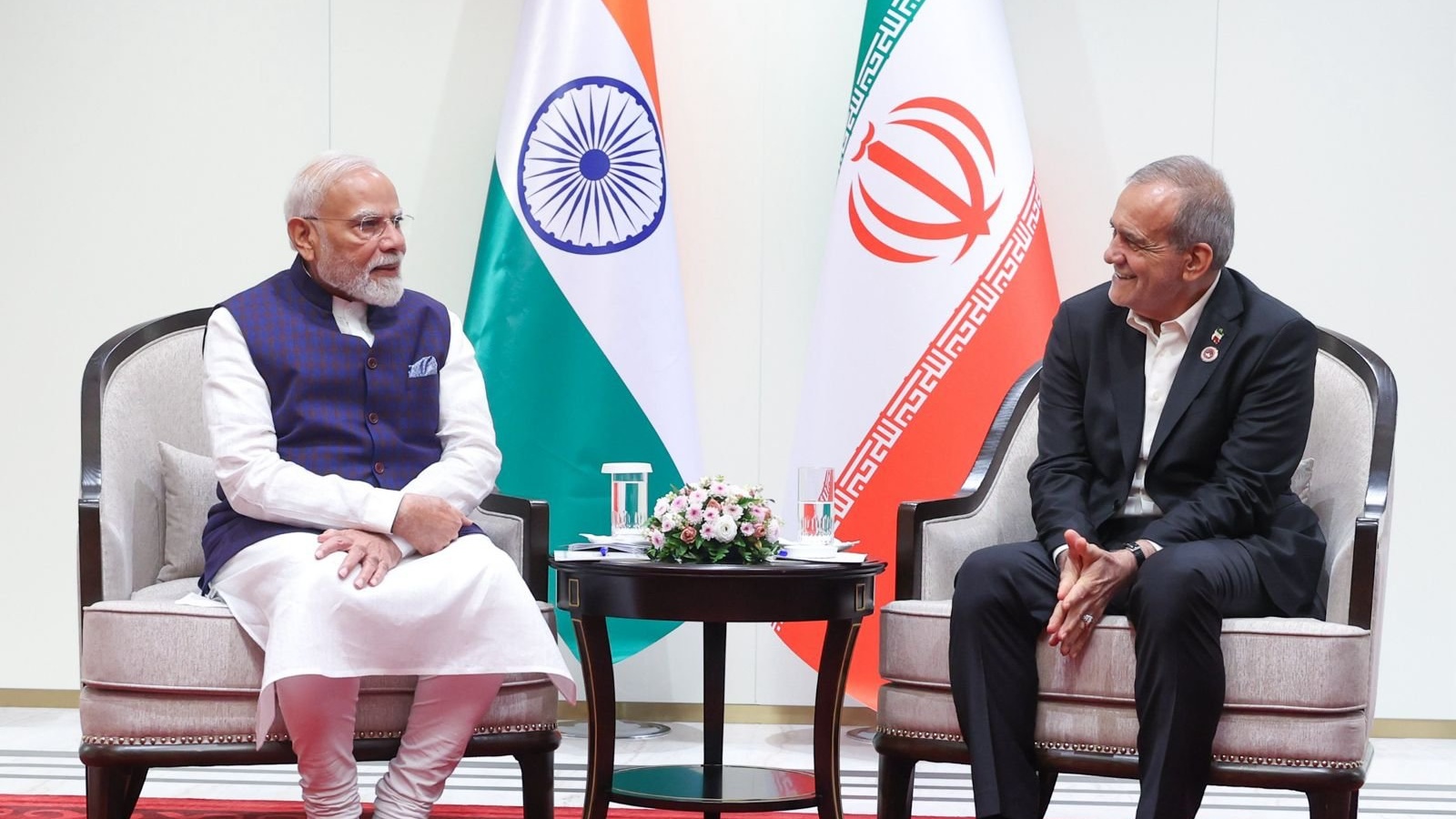
The recent Shanghai Cooperation Organisation summit in Bishkek, with Prime Minister Narendra Modi in attendance, carries unusual significance. The ongoing war in Ukraine, the conflict between the US and Iran in the Gulf, and the vulnerability of maritime commerce have cast a new light on the organisation's importance. For India, this summit is particularly crucial as it brings together leaders from Russia, China, Iran, and Central Asian nations.
India's presence at such a table is essential, but not without challenges. China's economic dominance, Russia's political influence, and Pakistan's presence have complicated India's participation in the past. However, India's strategic autonomy allows it to engage with all these powers without being dominated by any one relationship.
The summit is particularly notable for Iran's presence. The ongoing conflict in the region has shown how quickly a crisis in the West Asian theatre can have Eurasian consequences. India's engagement with Iran, crucial for projects like the Chabahar Port and the International North-South Transport Corridor, is vital. However, Iran's instability also complicates such connectivity efforts.
The Gulf crisis has made alternative Eurasian connectivity more necessary, but the instability surrounding Iran makes this more difficult. West Asia and Central Asia can no longer be seen as separate strategic theatres. Washington will be watching Bishkek closely for signs of how China, Russia, and Iran can transform their dissatisfaction with the current international order into durable institutional cooperation.
India's participation in the SCO is not a sign of an emerging anti-Western alignment. India's interests are more complex. The Central Asian republics have relationships with Russia, substantial economic engagement with China, and seek wider partnerships with the US, Europe, and India. India's unique advantage lies in its centuries of civilisational familiarity with Central Asia, free from a history of domination. This gives India a role in rediscovering the region's civilisational importance.
India cannot match China's geographical proximity or Russia's historical depth in the region. However, India offers something different: centuries of civilisational familiarity without a memory of domination. At the Issyk-Kul International Forum, the focus was on knowledge, history, culture, and civilisational dialogue. India should recognise the opportunity this creates.
The main challenge remains connectivity. Despite their geographical closeness, India and Central Asia are strategically separated. Direct land access is lacking, which has constrained commerce, tourism, academic exchange, and the everyday human interactions that build durable relationships. Projects like the Chabahar Port, the International North-South Transport Corridor, air connectivity, and new multimodal arrangements are crucial for India's engagement in the region.
Written by urgent.news from The Indian Express's reporting — not their text. Machine-written — may contain errors; check the original before relying on it.