Western Cape murder rate falls, but Mfuleni remains South Africa’s worst-hit precinct
Western Cape murders fell by 6.7% year on year between April and June 2026, but Mfuleni recorded the highest number of killings at any South African police station, with several other Cape Town precincts also among the national hotspots.
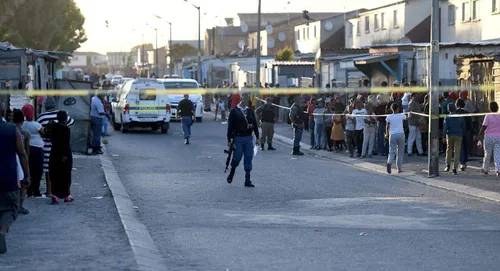
During the first quarter of the 2026/27 financial year, South Africa's Western Cape province experienced a decline in its murder rate, according to the latest crime statistics. However, certain Cape Town communities still rank among the country's most violent policing precincts. In total, the province recorded 1,071 murders between April and June 2026, a decrease of 77 killings or 6.7% compared to the same period last year.
Despite the reduction, Cape Town precincts continue to feature prominently among the country's top 30 murder stations. The highest number of murders in the quarter was recorded in the Mfuleni police precinct, while Nyanga, Philippi East, and Delft also appeared among the country's worst affected areas. This highlights the uneven nature of crime in the province, with violent crime persisting in specific communities, particularly those on the Cape Flats.
The City of Cape Town reported encouraging reductions in murder rates in six precincts that have dedicated Law Enforcement Advancement Plan (LEAP) officers. The biggest year-on-year declines were recorded in Gugulethu (34%), Mitchells Plain (33%), and Delft (24%). The City also noted that half of the stations in the national top 30 for murder, which registered decreases, were located in Cape Town LEAP deployment areas.
Cape Town Mayor Geordin Hill-Lewis acknowledged the encouraging reductions but emphasized that violent crime levels remained far too high. He highlighted that municipal enforcement officers confiscate around 400 illegal firearms annually and support Specialized Anti-Crime Units (SAPS) operations. Nationally, the South African Police Service (SAPS) recorded declines across several major crime categories, including a 5.9% decrease in murder (343 fewer killings) and a 4.6% decline in property-related crime (3,371 fewer cases).
However, the overall improvement remains overshadowed by the clustering of murder in Cape Town's most vulnerable communities. The City of Cape Town argues that the statistics strengthen their case for increased policing capacity at local levels, particularly in addressing gang, gun, and drug-related offenses. This debate has intensified as communities continue to face shootings and gang-related murders despite additional policing deployments.
Ian Cameron, a spokesperson for SAPS, noted the encouraging movement, including declines in murder, carjackings, and robberies. However, he warned that South Africa's violent crime levels remain severe, with thousands of people still being murdered and raped every quarter. Many firearms continue to feature prominently in killings, and police officers face significant dangers, as evidenced by recent murder investigations following triple killings in Cape Town.
Cameron questioned SAPS's figure of 217 gang-related murders in the Western Cape, suggesting the actual number could be significantly higher. He urged SAPS to clarify how gang-related murders are classified before drawing firm conclusions, emphasizing that progress should be acknowledged without being confused with victory.
Written by urgent.news from IOL's reporting — not their text. Machine-written — may contain errors; check the original before relying on it.