Waymo goes on offense ahead of Tesla’s Cybercab launch
Waymo argued that fully autonomous vehicles aren't possible without using a mix of sensors and warned that pure end-to-end AI systems aren't safe enough.
Alphabet-owned Waymo has been aggressive in its defense of fully autonomous vehicles, arguing that they cannot be achieved using purely AI systems. In a blog post and interview with Axios, Waymo took shots at Tesla, despite not naming the company directly. This came one week before Tesla was set to introduce its two-seater Cybercab, the basis for its growing robotaxi fleet.
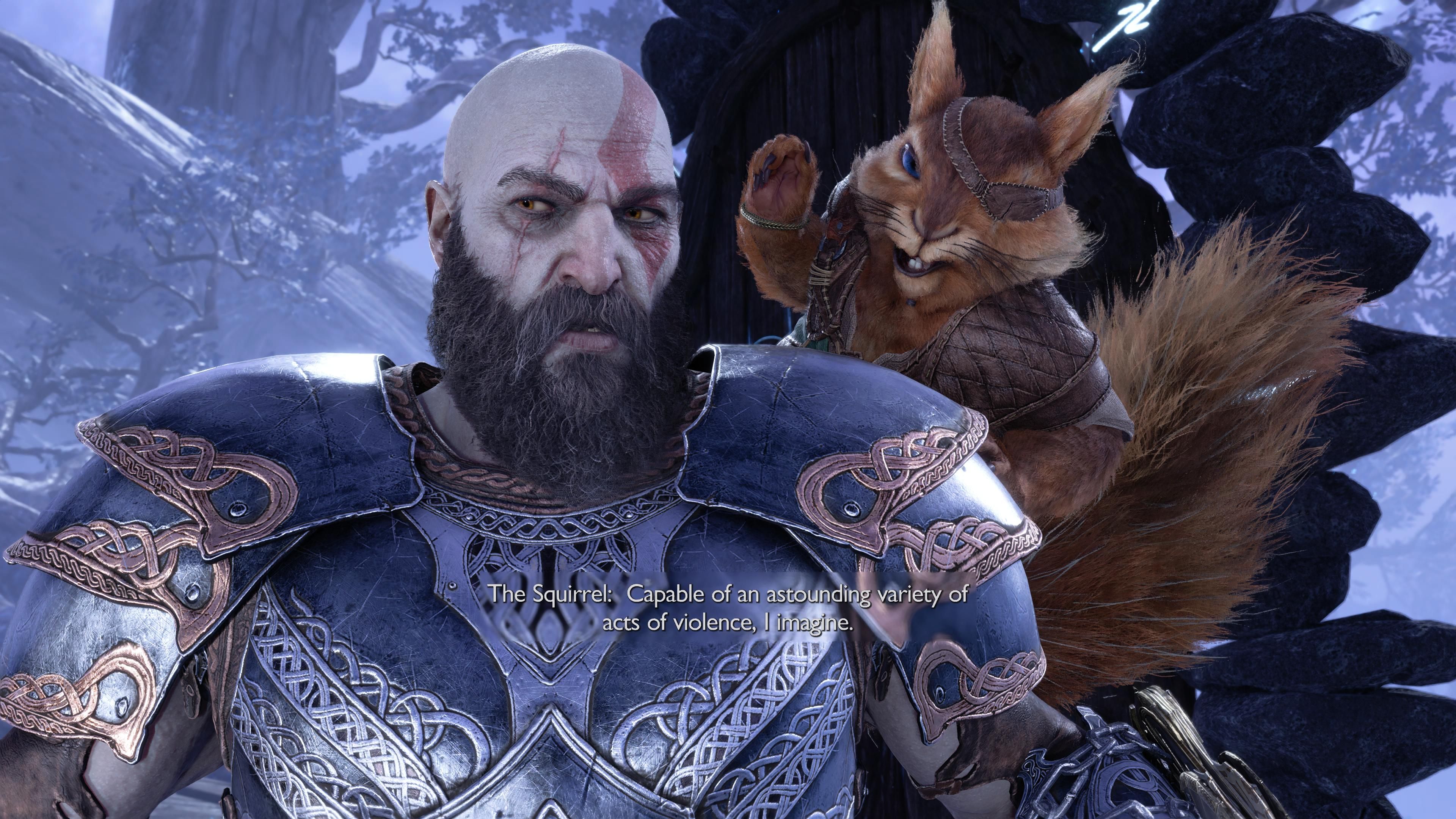
On Tuesday, Waymo announced three new markets, extending its robotaxi network to more than a dozen U.S. cities. The company's claims sparked a social media debate, with many dismissing Waymo's arguments as unconvincing. Analyst Pierre Ferragu argued that Waymo's reliance on multiple sensors makes their autonomous driving technology obsolete, while Waymo spokesperson Ethan Teicher shared a gun-loaded John Wick image to emphasize the seriousness of their claims.
Waymo maintains that a mix of sensors is crucial for safe, fully autonomous driving, stating that "cameras are incredible, but they aren't enough." VP Srikanth Thirumalai wrote in the company's blog post that while cameras are useful, they cannot provide the redundancy required for safe operations at scale. He also criticized the notion of "pure end-to-end" neural architectures, warning that they risk "black box failures."
Waymo's strategy of integrating a mix of cameras, radar, and lidar sensors into vehicles built by other manufacturers has allowed them to scale to a fleet of around 4,000 robotaxis across 14 U.S. cities. In contrast, Tesla's approach focuses solely on cameras and AI, and their Cybercab is designed to be autonomous from the start. Tesla aims to produce over 125,000 Cybercabs annually, but they still need to prove the safety of their self-driving software.
The upcoming September 3 event will be pivotal, as Tesla will register its Cybercabs with the Texas DMV. The market at stake could be worth hundreds of billions of dollars, and both companies are deeply invested in proving the viability of their respective approaches to autonomous vehicles. While Waymo's approach may be more expensive, due to the use of multiple sensors and vehicles manufactured by other companies, it may ultimately prove more reliable and cost-effective in the long run.
Written by urgent.news from TechCrunch's reporting — not their text. Machine-written — may contain errors; check the original before relying on it.