Vande Mataram was once a song of Hindu-Muslim unity
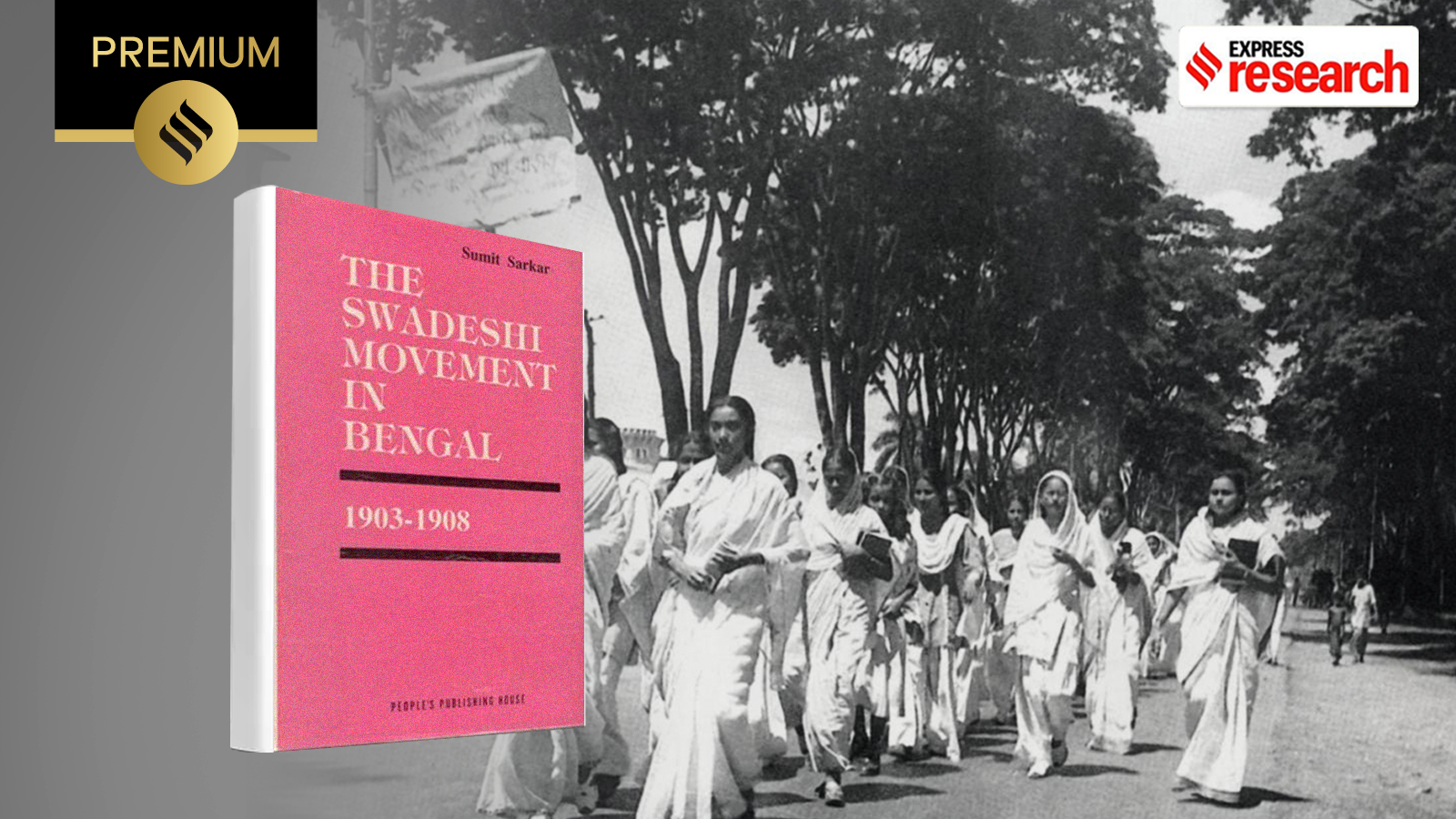
Historian Sumit Sarkar passed away on August 13, leaving behind a legacy that enriched the understanding of modern India. His initial work, The Swadeshi Movement in Bengal (1973), stands out not only for its insights into the anti-colonial struggle but also for its revelation of the significance of Vande Mataram, India's national song.
Composed by Bankim Chandra Chatterjee in 1875, Vande Mataram has been subject to intense scrutiny, with some advocating for its complete rendition and others acknowledging the need to limit its performance to its first two stanzas.
During the Swadeshi movement, Vande Mataram emerged as a rallying cry against British rule and communalism. The Partition of Bengal, announced by Viceroy Lord Curzon on July 19, 1905, was implemented on October 16. This led to a period of intense repression between October 1905 and September 1906, as the British colonial administration sought to counter the solidarity that the song had fostered among Bengalis from diverse political and social backgrounds.
The repression commenced with RW Carlyle, Chief Secretary of the Government of Bengal, who issued an order in October 1905, prohibiting students' participation in the Swadeshi movement. Those found singing Vande Mataram faced consequences such as the withdrawal of subsidies, recognition, and other forms of official support.
In response, Krishna Kumar Mitra and Sachindra Prasad Bose founded the Anti-Circular Society the following day. Superintendent PC Lyon, the first Chief Secretary of Eastern Bengal and Assam, took office on October 16, 1905, and within a month, he initiated a series of repressive actions against Vande Mataram in Rangpur, Madaripur, and Barisal, all currently in Bangladesh.
The British administration even deployed Gurkha troops in Barisal to suppress its spread, threatening anyone who chanted the song with "instant reprisal, even on the elderly."
Nawab Salimullah, the fourth Nawab of Dhaka and founder member of the Muslim League, also contributed to the suppression of Vande Mataram. His opposition to the song, coupled with support for pro-Partition rallies, helped solidify loyalty among Muslim peasantry and student bodies towards the administration. In contrast, other Indians, including various elites, joined forces with the song, leading to joint Hindu-Muslim demonstrations in Calcutta and Dhaka, where Vande Mataram was often sung alongside Islamic invocations, such as Allah-o-Akbar.
This interfaith solidarity highlighted the song's role in expressing cultural autonomy, political independence, and the pursuit of Swaraj.
Written by urgent.news from The Indian Express's reporting — not their text. Machine-written — may contain errors; check the original before relying on it.