Utah judge to decide if Tyler Robinson will stand trial in Charlie Kirk's killing
A Utah judge is set to decide whether there's enough evidence against the man accused of killing Charlie Kirk to put him on trial for aggravated murder.
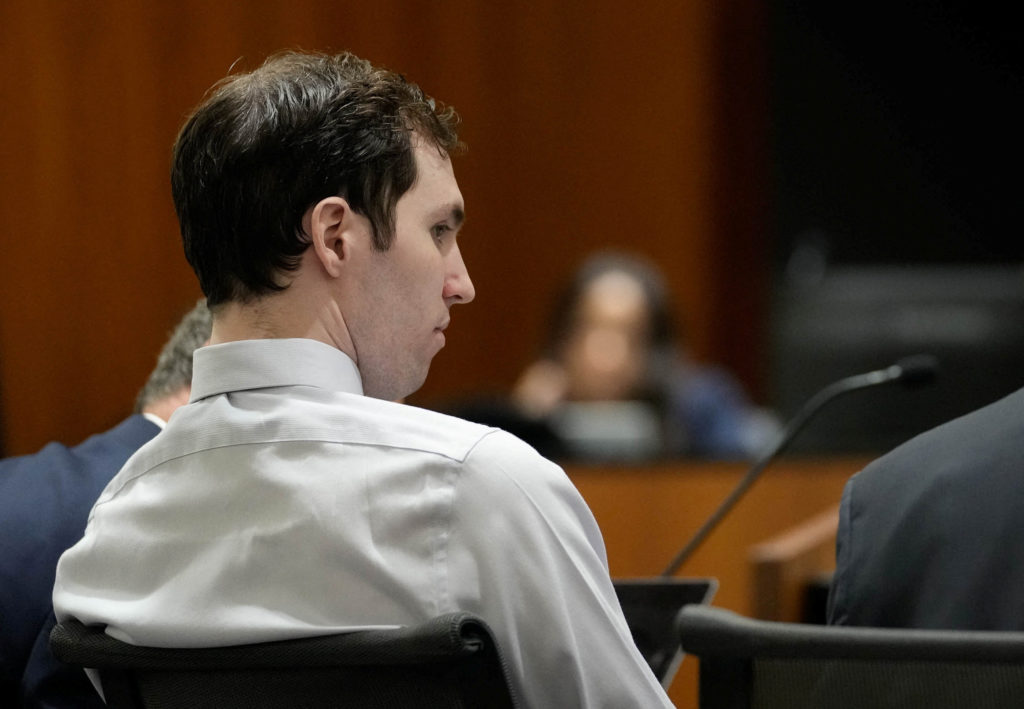
Provo, Utah (AP) - Utah District Judge Tony Graf has ruled that Tyler Robinson will stand trial for the murder of conservative activist Charlie Kirk, who was assassinated in Orem, Utah last September. The judge sided with prosecutors, who presented overwhelming evidence that Robinson shot Kirk once in the neck from a rooftop more than 400 feet away.
Defense lawyers argued that prosecutors failed to provide sufficient evidence showing the shooting endangered people around Kirk, as required under the law to qualify for the death penalty. The judge considered the documented positions of individuals in the vicinity of Kirk when Robinson fired, which supports a reasonable inference that Robinson was aware of their presence.
Robinson could face the death penalty if convicted of aggravated murder. His attorneys questioned the prosecution's evidence, emphasizing the lack of proof that others might have been at risk. The judge's decision comes after prosecutors spent five days presenting evidence in July, including DNA, messages, and posts Robinson made on Discord.
The bullet found in the suspected murder weapon had a political inscription, and prosecutors argued Robinson targeted Kirk due to his political beliefs.
Written by urgent.news from PBS NewsHour's reporting — not their text. Machine-written — may contain errors; check the original before relying on it.
This story
This is one outlet's version. Read the fullest account.
- Judge to decide if Tyler Robinson will stand trial in Charlie Kirk’s killing toronto.citynews.ca
- Nearly 200 witnesses to Charlie Kirk shooting apply for victims' benefits in Utah npr.org
- Accused Charlie Kirk shooter Tyler Robinson must stand trial, judge rules cbsnews.com
- Judge to decide if Tyler Robinson will stand trial in Charlie Kirk’s killing winnipegfreepress.com