US trade curbs put Malaysia's solar, semiconductor ambitions to the test
KUALA LUMPUR: The latest United States (US) trade measures on polysilicon pose risks for Malaysia’s solar industry but could create opportunities for its semiconductor sector.
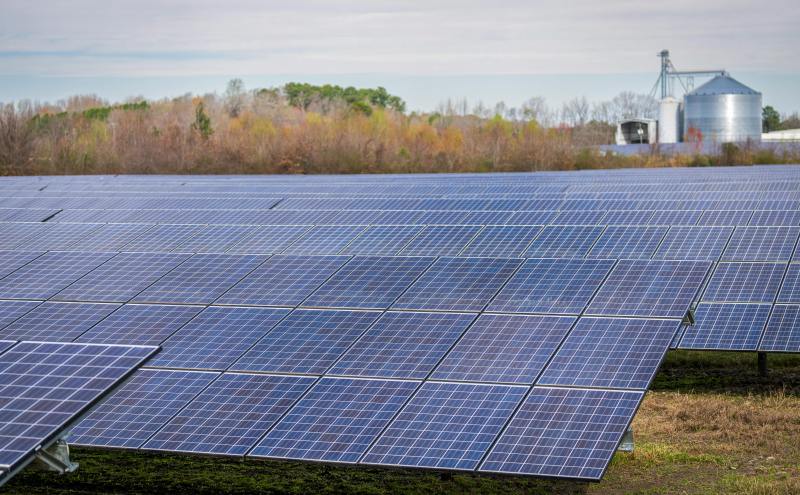
KUALA LUMPUR: New US trade restrictions on polysilicon present challenges for Malaysia's solar sector but could present opportunities for its semiconductor industry. President Donald Trump introduced the tariffs and minimum import prices for polysilicon and its derivatives, including wafers, cells, and modules, on December 4. The goal is to boost US manufacturing and lessen dependence on Chinese supply chains crucial for solar panels, semiconductors, AI, and energy security.
However, the impact on Malaysia is not straightforward. The key issue is whether Malaysia can transform these global changes into higher-value opportunities rather than merely becoming another destination for relocated manufacturing. The significance of the US move becomes apparent when comparing the new minimum import price to the current market price.
The US price floor is nearly four times higher than the global spot price, which could alter the economics of supplying the US market. China's dominance in the solar supply chain, particularly in polysilicon and wafer production, has made it increasingly vulnerable to trade restrictions and geopolitical tensions. For Malaysia, being outside China might not be enough to attract new investment.
While Malaysia's solar industry is more complex than just deployment, it now has two complementary sectors: an export-oriented manufacturing base and a growing domestic deployment and services ecosystem. The immediate concern is that Malaysia is not currently listed among the countries receiving special tariff treatment, which means Malaysian exports may face both the minimum import price and additional tariffs.
To compete, Malaysian manufacturers will need to demonstrate transparent origin, low-carbon manufacturing, and supply chain compliance.
Written by urgent.news from New Straits Times's reporting — not their text. Machine-written — may contain errors; check the original before relying on it.