Trump’s Head Start Overhaul Borrows a Playbook That Already Failed
“Targeting Head Start is the Trump Administration’s latest shot across the bow at America’s social safety net,” argue Peter Edelman and Lelaine Bigelow.
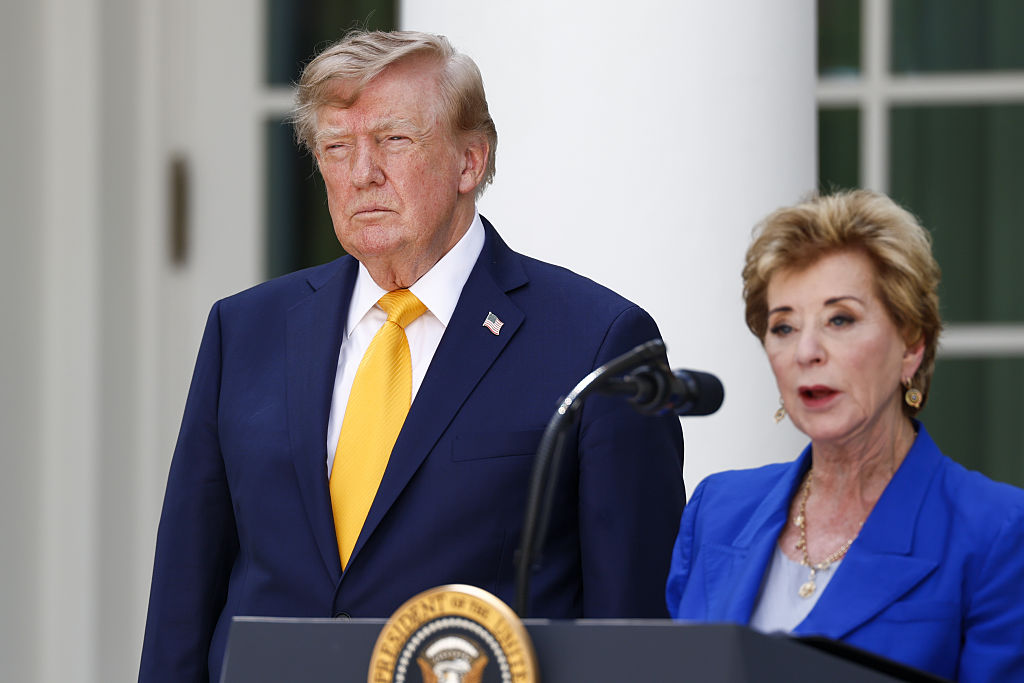
President Donald Trump's administration is revisiting the 1990s-era "welfare reform" approach by targeting the Head Start program, a federal preschool initiative for low-income children. Head Start, established in 1964, has served over 40 million since its inception and has proven to reduce poverty and improve health, educational attainment, and employment opportunities for participants.
The White House aims to strip away the standards that make the program effective, such as class size limits and access to medical and dental care. This approach echoes the failed "welfare reform" measures of the 1990s, which focused on reducing recipients rather than addressing poverty. The administration's proposal mirrors previous attempts to freeze Head Start funding in 2025, impacting 20,000 children in 23 states, and consider eliminating it entirely.
The administration's strategy reflects a broader anti-poverty agenda that emphasizes cash assistance over care, as seen in the 1996 Temporary Assistance for Needy Families (TANF) block grant. However, research shows that such policies have led to fewer families receiving cash assistance and less support overall. Instead, the authors advocate for an anti-poverty agenda centered on cash and care, citing the success of the Child Tax Credit expansion in reducing child poverty during the pandemic.
They urge Congress to prioritize investments in proven policies such as expanding SNAP and providing guaranteed income programs, as well as expanding access to paid family and medical leave.
Written by urgent.news from Time's reporting — not their text. Machine-written — may contain errors; check the original before relying on it.