Starship could create more debris than an anti-satellite test if it explodes in orbit
As Starship, the world’s largest and most powerful rocket, gears up for an attempt to finally reach Earth’s orbit, experts say the risk of an in-flight catastrophe – and a cloud of debris – “needs to be of concern”. Elon Musk’s SpaceX is expected to launch the Starship spacecraft and Super Heavy booster for the launch system’s 14th test flight and first orbital test flight later this month.…
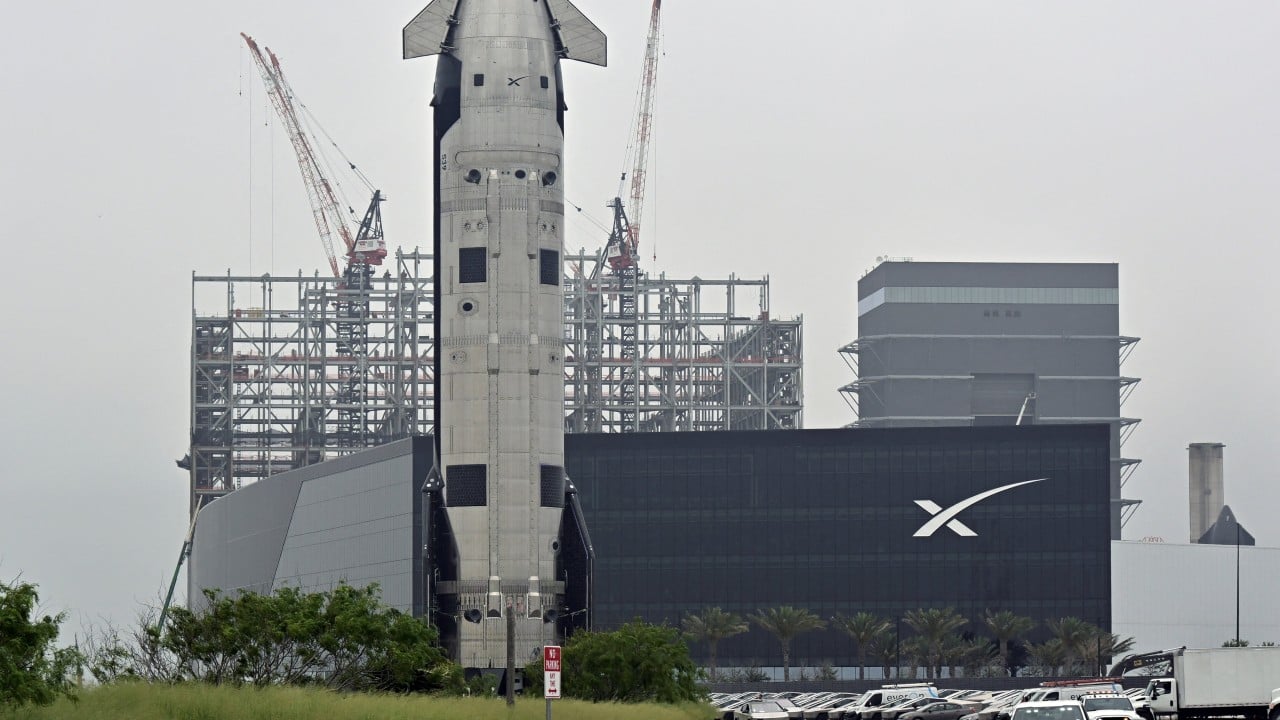
Experts warn that SpaceX's upcoming Starship launch could generate more orbital debris than a previous anti-satellite test. The Starship rocket, the world's largest and most powerful, is set for its 14th test flight and first orbital test flight later this month. If the rocket's upper stage, the 52-metre Starship, explodes in orbit, it could create a larger debris field than previous incidents, including a 2021 Russian anti-satellite missile test.
This test, which involved intentionally destroying a defunct Soviet satellite, resulted in 1,500 trackable pieces of debris. The reusable Starship consists of the Super Heavy booster and the upper stage designed to reach orbit. Both are intended to be reusable and land on Earth using a tower with "chopstick" arms. Professor Moriba Jah of The University of Texas at Austin stated that an explosion in orbit could pose significant hazards, likening the potential debris to the Russian anti-satellite test but on a larger scale.
SpaceX is awaiting regulatory approval from the US Federal Aviation Administration for the test flight, which is critical for safety oversight of commercial space launches. However, the FAA's safety authority does not extend to in-orbit activities. The European Space Agency attributes orbital explosions mainly to residual fuel, degraded spacecraft parts, and mechanical failures leading to leaks or fuel mixing.
Starship's test flight, originally scheduled for August, is now expected in mid-September. The launch risk lies in the booster stage, which fails to enter orbit. Once Starship reaches low-Earth orbit, collision risks arise if its orbit is not coordinated with other space objects. All space missions face collision risks, making it essential for launch authorities and companies to collaborate and coordinate.
Written by urgent.news from Reuters Business via SCMP's reporting — not their text. Machine-written — may contain errors; check the original before relying on it.