Russia's Starlink satellite rival fails to reach orbit again
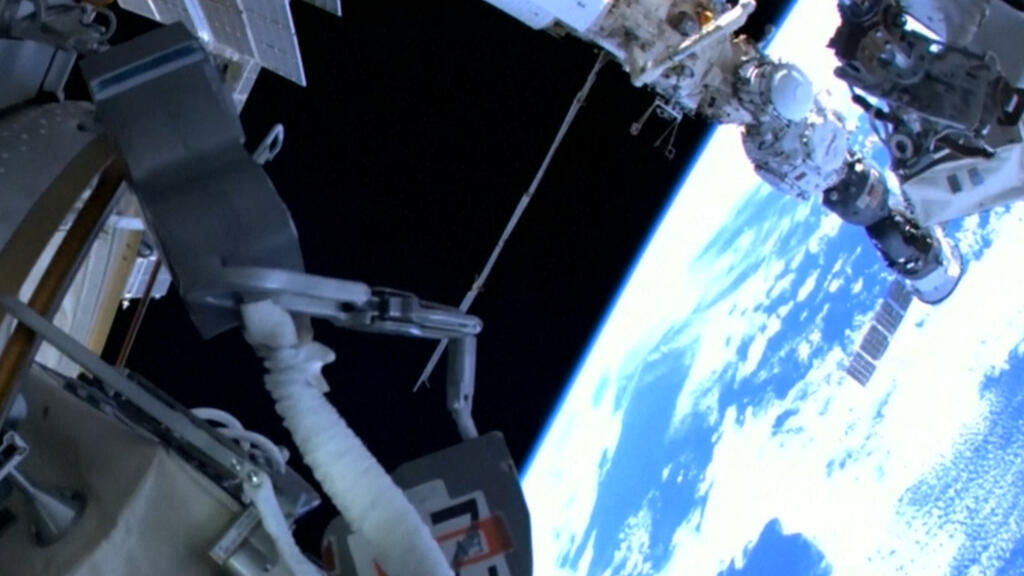
A second batch of Russian Rassvet satellites — which Russia has claimed are equivalent to Starlink — failed to reach the altitude needed for operation in space, according to the latest report from the U.S.-based Institute for the Study of War released on Aug. 31.
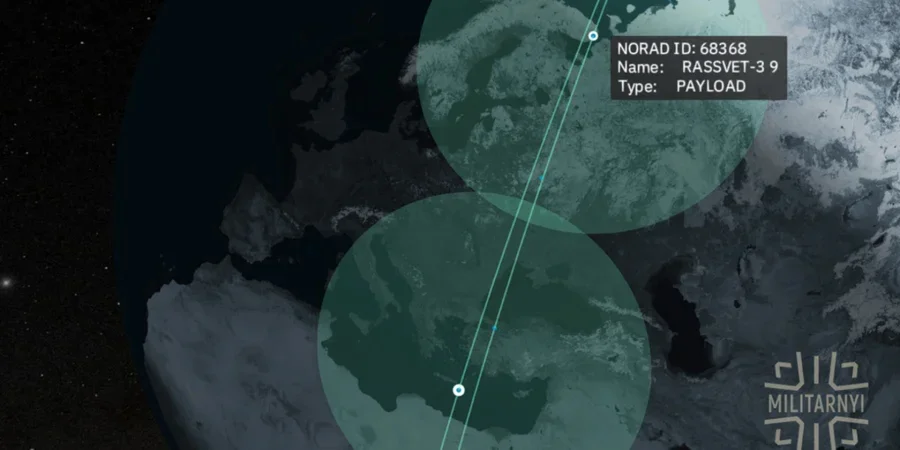
A second batch of Russian Rassvet satellites, touted as comparable to Starlink, failed to achieve the necessary altitude for operation, according to a report by the U.S.-based Institute for the Study of War on August 31. The report, citing data from the satellite tracker N2YO, stated that the 16 satellites launched on July 19 did not reach the planned operational altitude of 550 kilometers (340 miles).
Most of the satellites settled at altitudes between 300 to 400 kilometers (185 to 250 miles), significantly below the intended 870 kilometers (540 miles). Some satellites are already losing altitude and some are on a path to re-enter Earth's atmosphere, the report noted. Of the first batch launched in March, 12 of 16 satellites successfully reached the required altitude.
Russia's reliance on its Rassvet system began in February following the loss of Starlink connectivity. ISW researchers warned that the pace of deployment by Russia may not be sufficient, given that even this partial satellite network could pose a threat to Ukraine, as Russian forces use Rassvet satellites for more precise drone guidance.
Bureau 1440, the aerospace company developing Rassvet, plans more launches and hundreds of additional satellites, but Russia would need at least 200 to 300 operational satellites for stable, round-the-clock connectivity over Ukraine. However, the shortage of launch vehicles, primarily the Soyuz-2.1b rocket, limits Russia's capacity, with only six to eight launches of this rocket occurring since 2022.
This pace would allow for a maximum of 128 satellites in orbit over four years. Ukraine targeted the Progress Rocket Space Center and Plesetsk Cosmodrome, where the Rassvet satellites were launched, on August 15, following the rocket's launch on July 20.
Written by urgent.news from New Voice of Ukraine's reporting — not their text. Machine-written — may contain errors; check the original before relying on it.
This story
This is one outlet's version. Read the fullest account.