Researchers find dugong numbers halved in Gulf of Carpentaria
New research finds the number of dugongs in the Gulf of Carpentaria — one of the animal's most globally important populations — has halved in the past two decades, a decline scientists have called a "real shock".
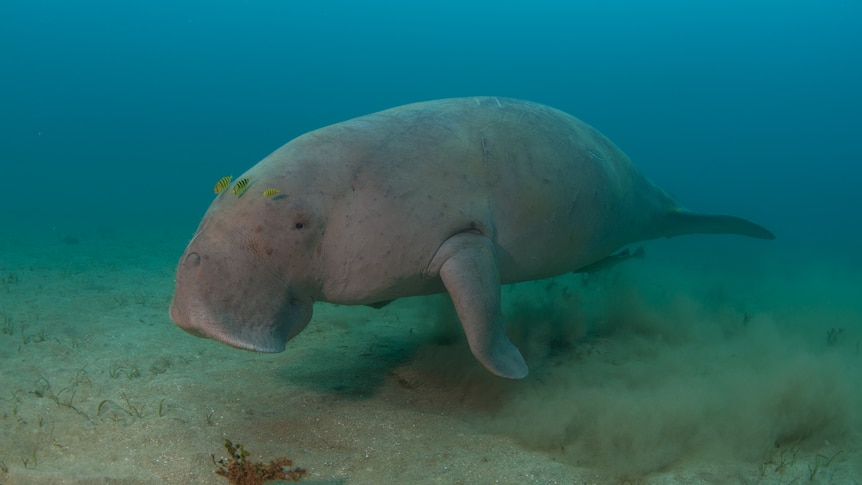
Researchers have discovered a 50% decrease in dugong numbers in the Gulf of Carpentaria, according to aerial surveys conducted in 2025. The 18-year gap between previous surveys has made it difficult to determine the cause of this decline. Dugongs are classified as vulnerable on the Australian threatened species list and internationally.
James Cook University (JCU) researcher Chris Cleguer, who led the surveys in partnership with Charles Darwin University (CDU) scientists and Indigenous ranger groups, stated that the population in 2025 was estimated at 5,000 individuals, down from an estimated 10,000 in 2007. The largest reduction was observed in Queensland waters, where dugong numbers dropped from 231 in 2007 to just 63 in 2025.
The researchers are concerned that the long period without data may hinder their ability to understand the reasons behind this decline. They have also observed significant reductions in seagrass meadows, which are crucial for dugong survival, due to factors such as cyclones, floods, high winds, and elevated ocean temperatures. Indigenous ranger groups have expressed their concerns, particularly regarding commercial gill-net fishing and crabbing, which they believe is negatively impacting dugong populations.
They are calling for immediate action, including a total ban on gill-net fishing and stricter regulations on crabbing activities. JCU scientist Alex Carter suggested that the decline in seagrass meadows may be due to frequent cyclones, heavy rainfall, and strong winds in the southern Gulf, which smother the seagrass and reduce light availability.
Dr. Groom warned that the long breeding cycle and slow population growth of dugongs make recovery a lengthy process, potentially lasting for years. The researchers are seeking additional funding from federal, Northern Territory, and Queensland governments to conduct more regular surveys and better understand the specific factors contributing to the dugong population decline.
Written by urgent.news from ABC News AU's reporting — not their text. Machine-written — may contain errors; check the original before relying on it.