Research updates, September 1
People with Long COVID are at a higher risk for cardiovascular, renal, and pulmonary (CRP) outcomes, according to a large observational study published in Journal of the American Heart Association. The study was a retrospective study and assessed more than 2.6 million people who developed COVID-19, comparing about 158,000 people who had been diagnosed with Long COVID with the larger group of…
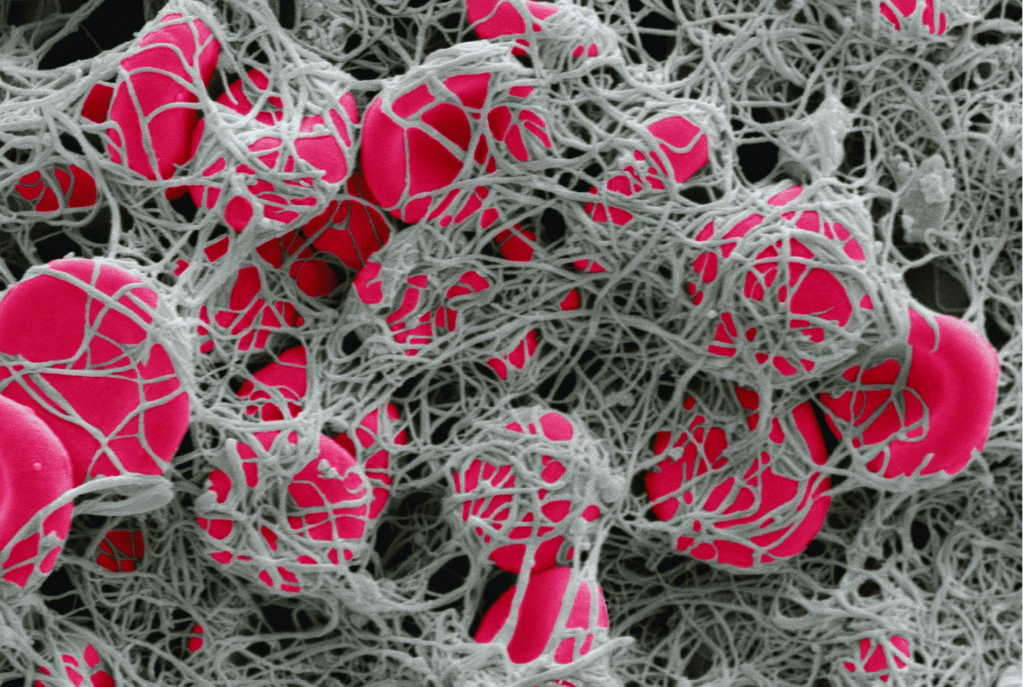
Science Photo Library/Canva Pro reveals that Long COVID patients face elevated risks for health issues such as cardiovascular, renal, and pulmonary complications, as reported in a comprehensive study featured in the Journal of the American Heart Association. The research, which analyzed data from over 2.6 million individuals who contracted COVID-19, compared a subset of around 158,000 Long COVID patients with a larger control group.
The findings indicated that younger Long COVID patients experienced a higher likelihood of adverse outcomes compared to their non-Long COVID counterparts, a disparity not observed in older age groups.
The National Academies of Sciences, Engineering, and Medicine (NASEM) has initiated a new investigation into the effects of SARS-CoV-2 infection across various age demographics, with a particular focus on the military. This study will examine scientific evidence related to neurological and cognitive impacts, as well as the potential effects on military readiness.
Currently, the committee consists of 14 provisional members, tasked with reviewing literature and conducting public meetings to compile a report for governmental consideration. Public input is being solicited until September 14th.
A novel clinical trial for myalgic encephalomyelitis (ME), led by researchers at Aarhus University in Denmark, is set to evaluate the efficacy of Intermittent Hypoxia-Hyperoxia Treatment (IHHT) on 104 female participants. The treatment involves short, alternating cycles of low and high oxygen levels over 22-40 minute sessions, with the researchers predicting it may assist the body in adapting to oxygen-related stress.
The primary endpoint of the study is the Short Form-36 Health Survey, which gauges quality of life. As of now, the trial is not yet recruiting participants.
The results of the RECOVER-VITAL trial, conducted by the National Institutes of Health, have been officially published in The Lancet Infectious Diseases. This study examined the effects of Paxlovid on Long COVID patients, with both 15-day and 25-day treatment courses proving ineffective in alleviating symptoms. Although samples collected from the participants will be analyzed to determine the antiviral's potential impact on viral persistence, the findings from this phase are anticipated in subsequent studies.
Researchers have acknowledged that further analysis is pending and will be published in forthcoming publications. For a thorough examination of these results and additional RECOVER trials, readers are directed to Betsy’s article from May. Stay updated on COVID-19 and Long COVID developments by subscribing to this newsletter, which will be delivered every Tuesday. Your feedback is appreciated.
Written by urgent.news from The Sick Times's reporting — not their text. Machine-written — may contain errors; check the original before relying on it.