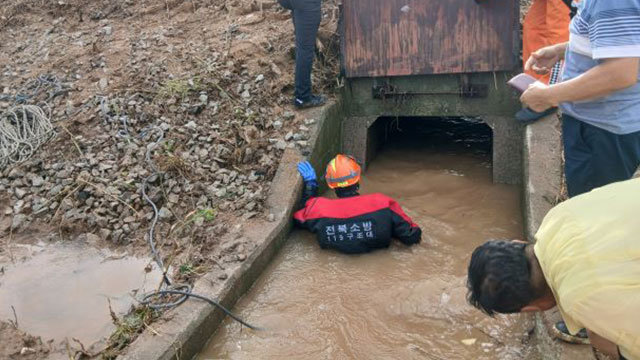
Race to free hundreds feared trapped in Nepal’s hydropower tunnels as flood deaths surpass 950
At least 900 workers are still reportedly unaccounted for from 12 hydropower projects destroyed or damaged by last week’s flash floods.
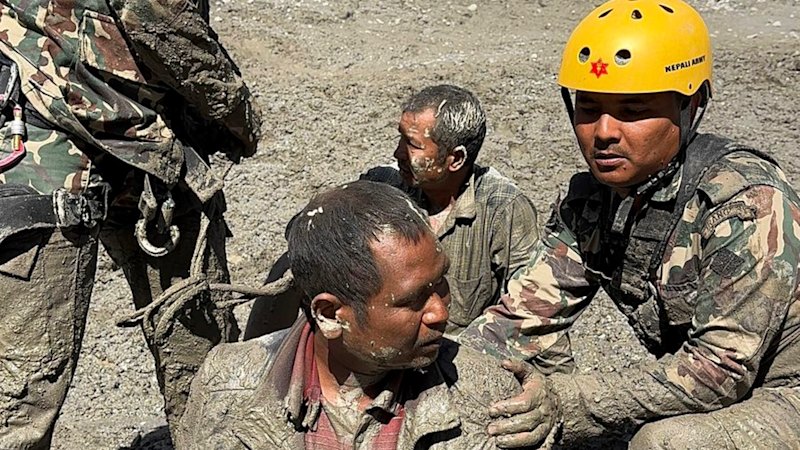
Dhading district in central Nepal is grappling with the aftermath of devastating floods that have ravaged power plants and infrastructure, leaving over 20,000 people without electricity. These floods, part of a larger catastrophe in Nepal and China, have caused hundreds of deaths and left thousands missing. The floods have disrupted approximately 10% of Nepal's power capacity, highlighting the urgent need for a resilient rebuilding process.
Rebuilding efforts must prioritize restoring services rather than just replacing damaged structures, according to disaster experts. Jakob Steiner, a geoscientist at the University of Graz, emphasized the importance of strategic planning in construction, including selecting better locations, creating alternate routes, and implementing backup power and improved early warning systems.
Risk assessments should consider factors like river bends, unstable slopes, and the potential for a single failure to affect multiple communities.
Narasimhan, a senior director at the Coalition for Disaster Resilient Infrastructure, suggested that $124 billion worth of Nepal's infrastructure is vulnerable to climate-driven disasters, with yearly losses potentially exceeding $760 million. The national disaster funds, however, remain insufficient to cover these expenses. Climate scientists agree that the Himalayan region, particularly Nepal, faces heightened risks due to rapid glacial melting, permafrost degradation, and erratic rainfall, which increase the likelihood of floods, landslides, and debris flows.
The flooding has destroyed or severely damaged numerous hydropower projects and critical infrastructure, including roads, bridges, schools, and hospitals. Up to tens of kilometers of roads, multiple bridges, and essential buildings have been destroyed, exacerbating the crisis. Authorities are now forced to address the vulnerabilities exposed by this disaster and consider the implications for future projects.
Experts argue that Nepal should explore decentralized solar power as part of a more diverse energy strategy, reducing dependency on hydropower and enhancing resilience. The disaster has also prompted a reevaluation of the approval process for new hydropower projects, emphasizing the need for robust environmental, social, and disaster-risk assessments tailored to local landscapes and historical hazards.
Ultimately, the focus should be on building a system that can withstand future catastrophes while ensuring the continuity of essential services.
Written by urgent.news from The Economic Times's reporting — not their text. Machine-written — may contain errors; check the original before relying on it.
This story
This is one outlet's version. Read the fullest account.
- Nepal-China flood death toll exceeds 1,000; Nepal PM demands climate action dawn.com
- 'Giant morgue': Nepal flood victims overwhelm downstream city koreatimes.co.kr
- Race against time as 600 remain trapped in hydro project tunnels hindustantimes.com
- Nepal's wall of missing offers last hope after Himalayan flood nst.com.my
- Race to free hundreds feared trapped in Nepal’s hydropower tunnels as flood deaths surpass 950 smh.com.au
- Nepal flood death toll passes 1,000 as rescue efforts enter seventh day malaymail.com
- Family fear for missing hydropower worker after Nepal flood bbc.co.uk
- Nepal flood survivors fear loss of culture and community winnipegfreepress.com