Paradox's Afterworld feels like the first grand strategy game I can properly wrap my head around
I've got a bit of a funny relationship with Paradox's grand strategy games. I love the idea of them, of waging and flirting my way across history on the most granular of levels. But despite my enthusiasm, and despite my best efforts, I've never probably cracked one: it doesn't take long before I'm feeling thoroughly overwhelmed and my attention quickly begins to wane. I bring this up, because my…
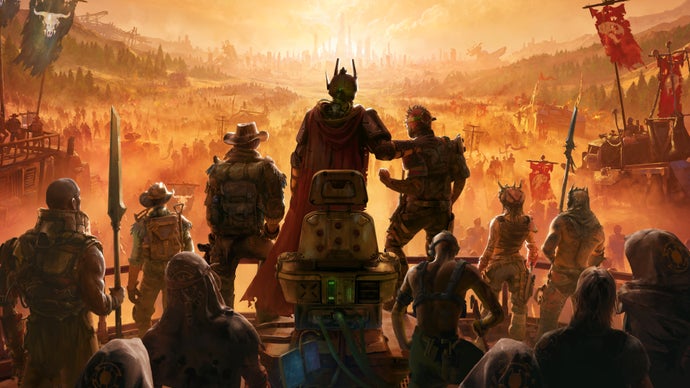
Paradox's new post-apocalyptic grand strategy game, Afterworld, has the potential to be the one that finally suits me. After trying various grand strategy games, I often felt overwhelmed, but Afterworld's unique design seems to address that issue. The game is set in a post-apocalyptic North America, where players guide a group of survivors from humble beginnings to build a continent-spanning empire.
Players choose from three starting origins, each with its own narrative flavor and playstyle. The Shelterborne, my initial choice, represent vault dwellers emerging after generations spent underground and are balanced for beginners. Other origins include fanatic survivors who worship an ancient power, leaning towards religious or ideological playstyles, and a militaristic band of former wardens and prisoners.
After selecting an origin, players have the chance to further shape their tribe's foundations by choosing between frugality and cannibalism. Once the groundwork is complete, the game begins with the player's first objective: scouting the surrounding land to find a new place to call home before the shelter's reactor explodes.
The game's early hours focus on exploration, with the fog of war gradually lifting to reveal resources and mysteries. Finding resources, such as squirrels or water spots, and discovering mysteries, like a small farm, provide opportunities to develop skills or improve the tribe's mobility. The map discoveries can also spark new ideas, keeping the information influx under control by hiding key mechanics until needed.
Paradox's goal for Afterworld is to create a grand strategy game with a different rhythm, where permanence is never guaranteed. Units must be mobile, finding better spots and making the most of them. The game encourages players to move around, discover better areas, and run away if necessary, providing a more dynamic experience.
Written by urgent.news from Eurogamer's reporting — not their text. Machine-written — may contain errors; check the original before relying on it.