Pallas-1 sees China’s Galactic Energy join reusable launch push, closing in on SpaceX
Chinese rocket maker Galactic Energy has successfully sent its Pallas-1 medium-to-large reusable rocket into orbit, marking the latest milestone in Beijing’s drive to develop reusable launch capabilities and narrow the gap with Elon Musk’s SpaceX. The two-stage, liquid-propellant rocket lifted off at 10am on Tuesday from a self-built launch pad at the Jiuquan Satellite Launch Centre’s commercial…
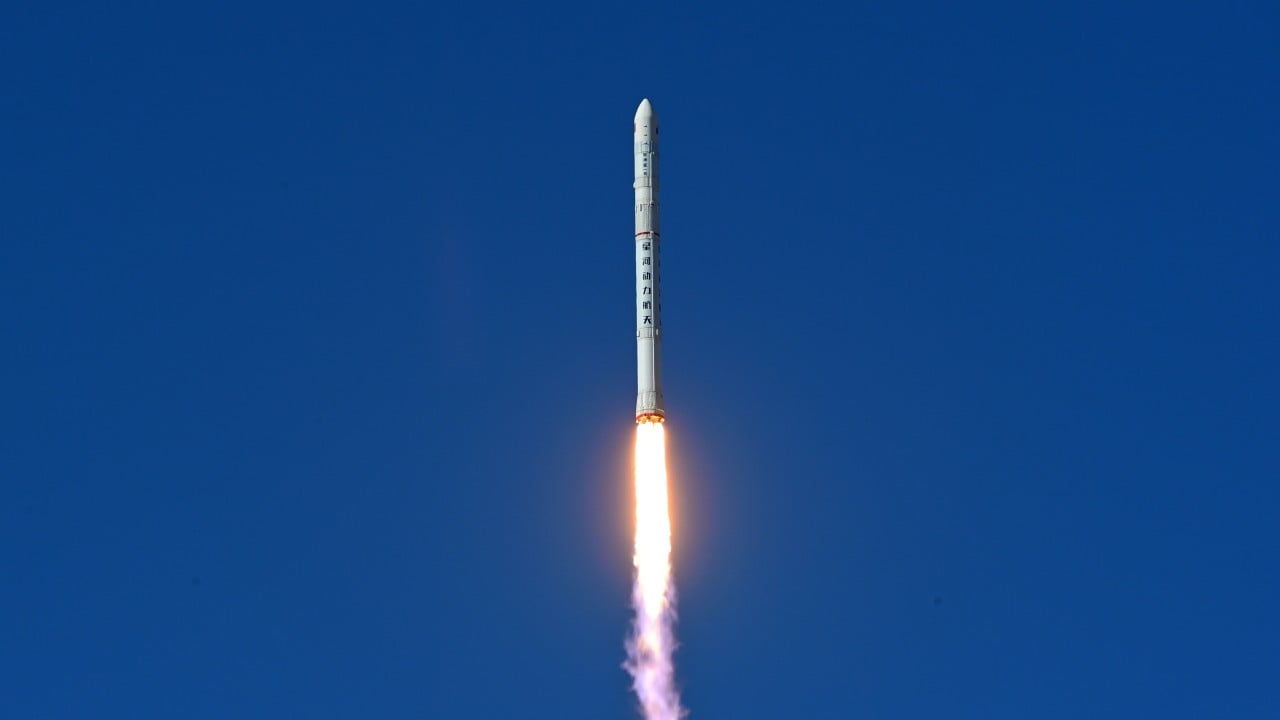
Chinese rocket maker Galactic Energy has successfully launched its Pallas-1 medium-to-large reusable rocket, marking a significant milestone in Beijing's drive to develop reusable launch capabilities and narrow the gap with SpaceX. The two-stage, liquid-propellant rocket, standing 52 meters tall with a 3.35-meter diameter, lifted off from a self-built launch pad in Gansu province at 10am on Tuesday, entering its designated orbit before its first stage was recovered for potential vertical landing.
With a lift-off mass of about 283 tonnes and a lift-off thrust of 350 tonnes-force, Pallas-1 is designed to carry up to 7 tonnes into low Earth orbit and withstand up to 25 flights. This mission aligns with China's broader push to become a "space power," an objective enshrined in the nation's latest five-year plan. While China has made important advances in reusable rocket technology this year, including the recovery of the Long March-10B orbital booster using a sea-based net system, Galactic Energy remains behind SpaceX in terms of successful recoveries and re-flights.
Brief written by urgent.news from SCMP Tech's own syndicated text. Machine-written — may contain errors; check the original before relying on it.