Non-Muslims kept wary by gap between PAS rhetoric and policies
The non-Muslim electorate's assessment of PAS isn't predicated on manifesto promises or superficial reforms, but from state-level policy outcomes and the rhetorical consistency of the party's elite.
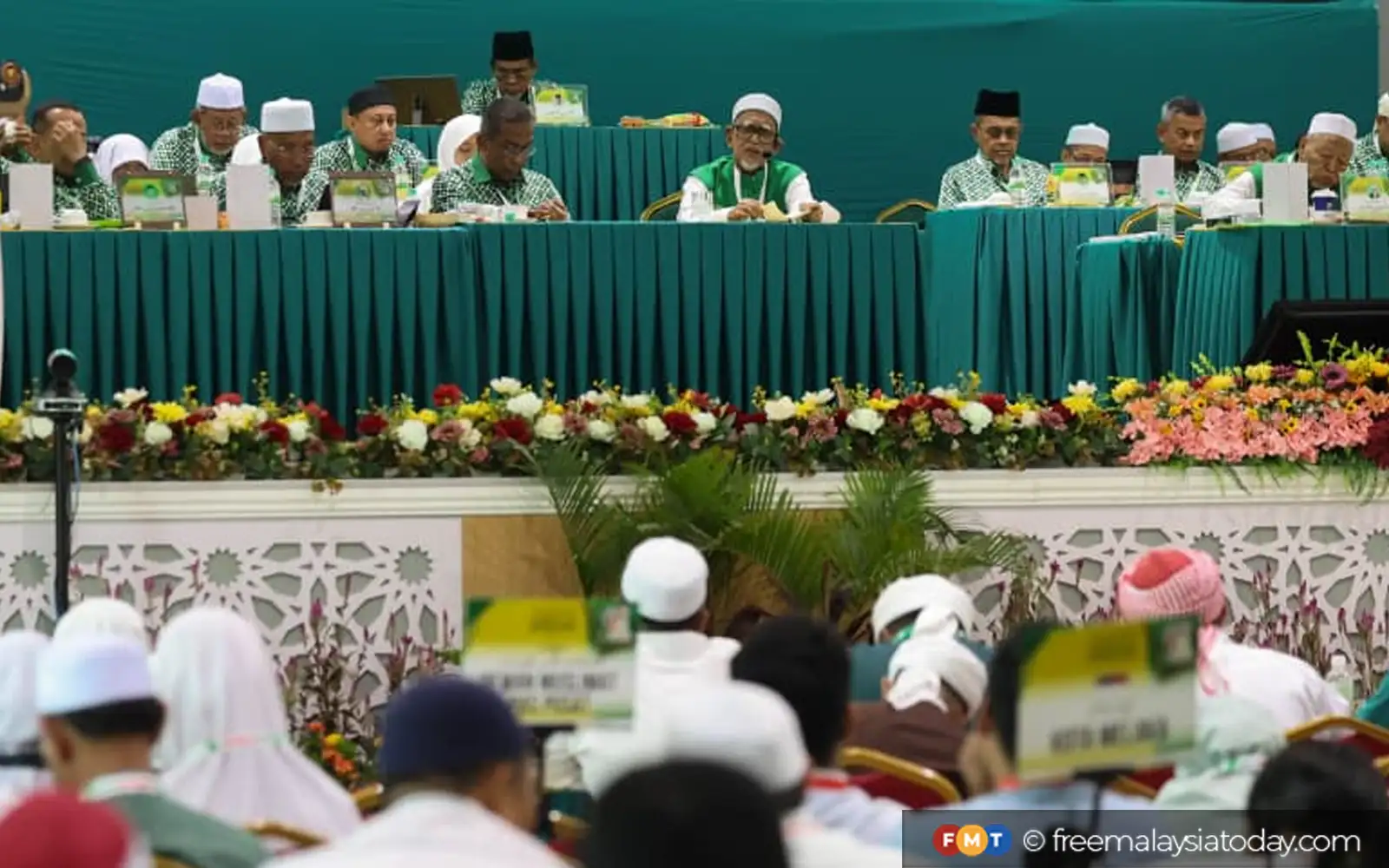
The leadership of the Parti Islam Se-Malaysia (PAS) asserts that Islam is the most suitable framework for addressing the challenges faced by a diverse society. However, this message often fails to gain the trust and confidence of non-Muslim communities. These minority groups frequently view PAS's rhetoric as political posturing designed to attract votes rather than a genuine statement of belief.
The skepticism towards PAS is rooted in differing political ideologies, concerns about protecting constitutional rights, and the broader ramifications of religious-based policies. While PAS has expanded its non-Muslim supporters wing (DHPP) to an associate status, the gap between the party's promises and actual practices is evident.
Non-Muslims, even as associate members, do not have an equal say in the party's decision-making processes. The highest levels of governance are still controlled by internal councils, excluding non-Muslim participation.
This hierarchical structure raises questions about the meaningful role of minorities within PAS. The implementation of policies, such as the non-enforcement of certain regulations affecting non-Muslim businesses, is sometimes seen as superficial attempts to appear inclusive rather than a sincere commitment to diversity. The emphasis on "Malay-Muslim supremacy" and the idea of uniting the Muslim community (ummah) has unintentionally sparked alienation among non-Malay groups.
Furthermore, the party's reliance on the concept of Islamic morality, particularly in economic domains like gambling and alcohol sales, has direct consequences for non-Muslim enterprises. These economic impacts, coupled with the enforcement of certain civil-moral laws, create a perception that non-Muslims' lifestyles are being regulated, infringing on their civil rights.
The enforcement of shariah courts in PAS-controlled states, for instance, penalises non-Muslim traders for dress code violations. This brings into question the preservation of cultural and personal freedoms for minorities. There is also apprehension that proposed amendments to the Syariah Courts (Criminal Jurisdiction) Act (Bill 355) could extend the reach of Islamic criminal law beyond Muslims, potentially threatening Malaysia's dual legal system.
The party's leadership style, advocating for an absolute theocratic elite, introduces contradictions regarding how egalitarian representation could be achieved in a pluralistic nation. While some factions present a moderate, governance-oriented facade, the top leadership's rhetoric, including the linking of non-Muslims with corruption and moral decay, deepens the mistrust among non-Muslim voters.
In essence, non-Muslims remain cautious and reserved in their support for PAS. Their decisions are not influenced by the party's manifesto or superficial structural changes. Instead, they are influenced by tangible state-level policies and the party's consistent messaging from its leadership.
Written by urgent.news from Free Malaysia Today's reporting — not their text. Machine-written — may contain errors; check the original before relying on it.
This story
This is one outlet's version. Read the fullest account.
- Non-Muslims kept wary by gap between PAS rhetoric and policies freemalaysiatoday.com