Non-Muslims kept wary by gap between PAS rhetoric and policies
The non-Muslim electorate's assessment of PAS isn't predicated on manifesto promises or superficial reforms, but from state-level policy outcomes and the rhetorical consistency of the party's elite.
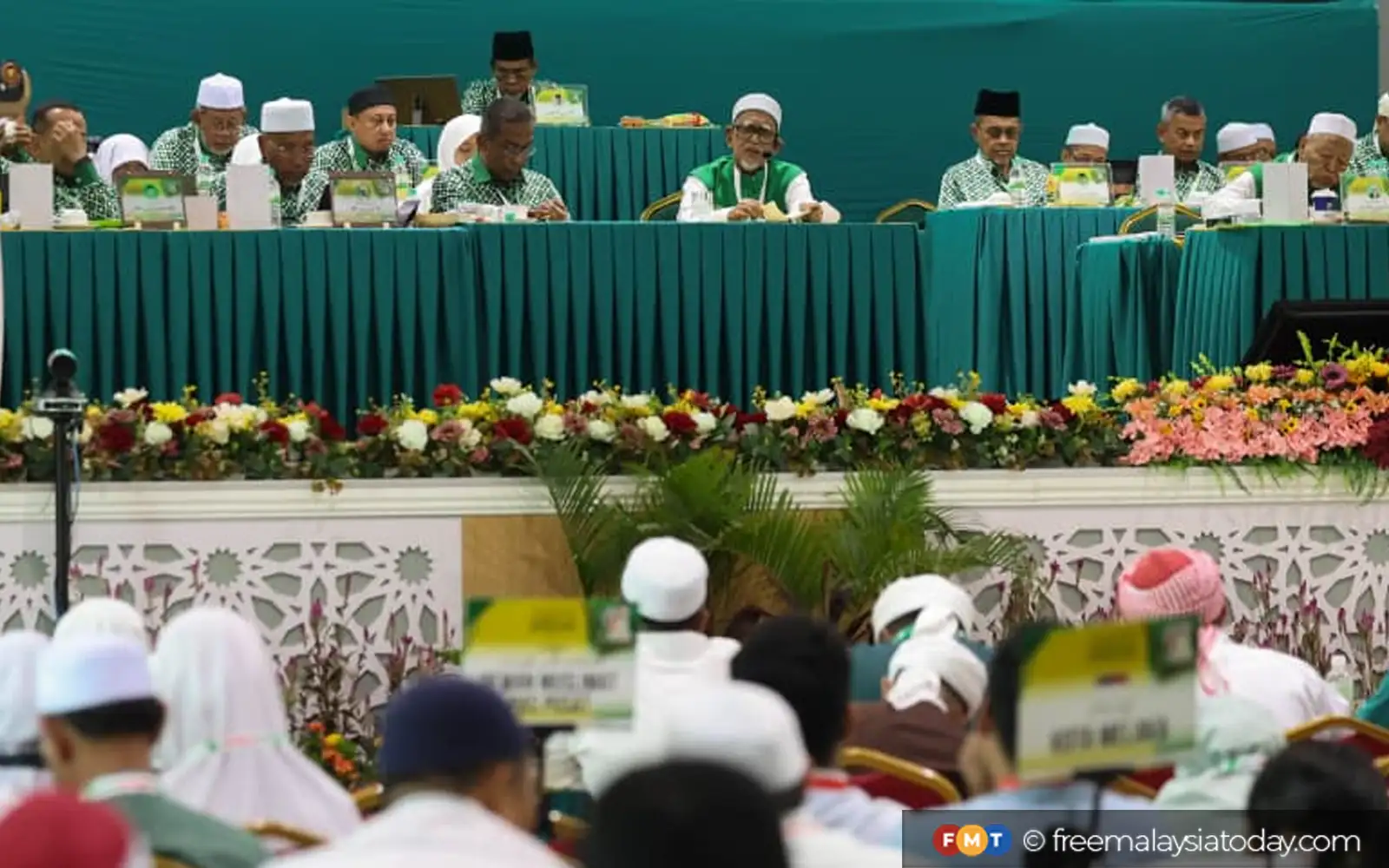
The Parti Islam Se-Malaysia (PAS) leadership asserts that Islam is best suited to address the challenges faced by a diverse society. However, non-Muslim communities often view this as political rhetoric aimed at attracting electoral support. The skepticism towards PAS stems from differing political ideologies, concerns about the protection of constitutional rights, and the societal impact of policies based on religion.
While PAS has upgraded the non-Muslim supporters wing (DHPP) to an associate wing, there remains a significant gap between the party's verbal assurances and the actual implementation of these policies. In terms of organizational structure, non-Muslims remain associate members, lacking full membership rights. Decision-making and policy formulation are still confined to the syura council and the ulama council, both of which exclude non-Muslim participation.
This hierarchical system reinforces the perception that minority representation within PAS lacks real political influence.
Efforts to create auxiliary wings and institutional initiatives are often seen as superficial gestures or electoral strategies, especially when the leadership's actions do not reflect genuine inclusivity. PAS's emphasis on Malay-Muslim supremacy and its agenda of Muslim solidarity alienates non-Malay communities. The party's discourse, laced with racial and religious sensitivities, further polarizes society and erodes the sense of security among minority groups.
Economically, policies grounded in religious doctrine, such as bans on gambling and alcohol sales, affect the viability of non-Muslim businesses. These regulations not only contract market opportunities for affected sectors but also intrude upon personal lifestyle choices guaranteed by civil law. The enforcement of civil-moral regulations in PAS-administered states, such as Kelantan and Kedah, where non-Muslim traders face penalties for violating modest dress codes, highlights the intersection of Islamic moral norms with the non-Muslim sphere. This trend raises concerns about the preservation of cultural and personal freedoms for minorities.
Despite assurances that amendments to the Syariah Courts (Criminal Jurisdiction) Act (Bill 355) are limited to Muslims, the non-Muslim community remains skeptical. Critics fear that expanding Shariah court jurisdiction and the eventual implementation of hudud laws could undermine Malaysia's dual legal system, challenging the dominance of civil courts in upholding constitutional equality and economic opportunities.
The party's governance model, which champions the concept of absolute ulama leadership, presents contradictions in achieving egalitarian representation within a pluralistic federal structure. The top leadership's rhetoric, which links non-Muslims to corruption and moral decay, fuels a profound lack of trust among the non-Muslim electorate.
In summary, non-Muslims adopt a cautious approach towards PAS. Their evaluation is based on tangible government actions and the consistency of the party's rhetoric, rather than mere policy promises or superficial structural changes.
Written by urgent.news from Free Malaysia Today's reporting — not their text. Machine-written — may contain errors; check the original before relying on it.
Also reported by 1 other outlet
- Non-Muslims kept wary by gap between PAS rhetoric and policies freemalaysiatoday.com