National telecoms provider could make $2.7 billion selling recycled copper in AI boom — BT to strip 200,000 tons from legacy network
The UK's largest telecommunications company, BT, could potentially make $2.7 billion as it recycles all the old copper in its network as it upgrades to fiber optic. The massive amount is driven by the AI boom, as data center operators require more and more copper wires for power.
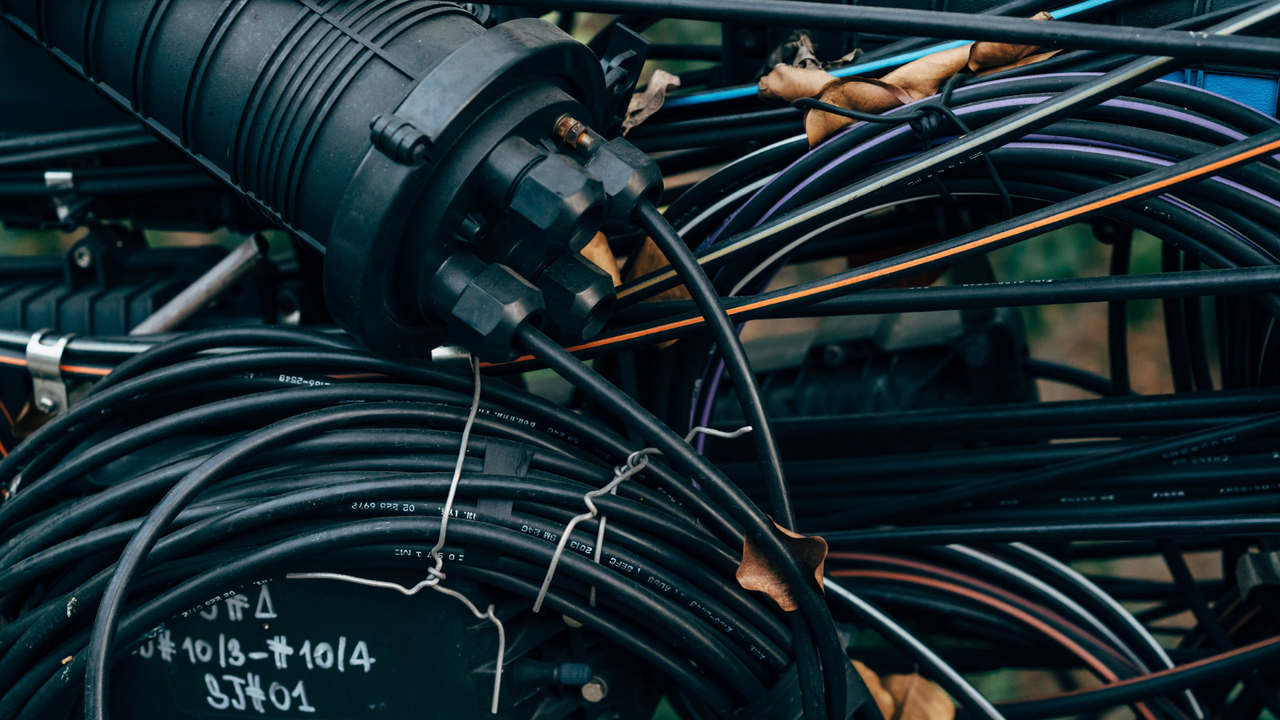
National telecoms provider BT, currently upgrading its entire network to fiber, could reap a substantial profit from recycling its copper cables during the AI boom, according to The Guardian. The company has struck a deal with EMR, the leading cable recycling firm in the country, to recover around 200,000 tons of copper within a four-year period.
BT and its subsidiary, Openreach, could also sell the recovered copper on the spot market directly. Over 22,000 metric tons have already been recovered since BT started its network upgrade, with the metal priced at approximately USD 8,500 per metric ton on the market. However, the soaring demand for copper due to AI-driven applications has driven prices to a record high of over USD 14,000 per metric ton.
With the network upgrade expected to continue well into the 2030s, BT could potentially earn USD 2.7 to 2.8 billion from selling these old network cables. As AI applications grow, data centers are increasingly switching to fiber optics, while still relying on copper cables for power transmission. BT, Openreach, and their subscribers stand to gain from this AI-powered copper boom, with better home connections and a discount on network upgrades.
Written by urgent.news from Tom's Hardware's reporting — not their text. Machine-written — may contain errors; check the original before relying on it.