Mode: Shoppingplattform Shein rutscht beim Börsendebüt ins Minus
Shein ist für günstige Mode bekannt, wird dafür aber auch kritisiert. In Hongkong feiert die Shoppingplattform nun ihr Börsendebüt. Wie dieser in der Fachwelt bewertet wird.
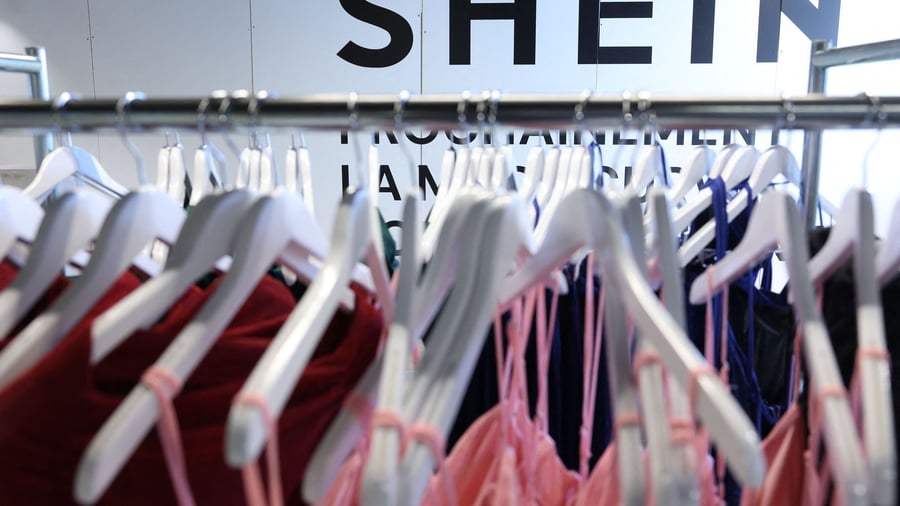
Shein, the Chinese e-commerce giant known for its ultra-fast fashion, made its long-awaited debut on the Hong Kong stock market but fell short of expectations. The company's shares dropped by eight percent during its trading debut, trading below its listing price of 48.56 Hong Kong dollars (approximately 5.34 euros) per share. Despite previous attempts to go public in London and New York, Shein ultimately decided to list in Hong Kong.
The valuation of Shein, which had peaked at nearly 100 billion US dollars in private financing rounds, now sits far below its intended valuation of 210.2 billion Hong Kong dollars ($23.1 billion) at the time of its listing. The company's financial performance in its first three months of the current half-year also revealed a loss of 99 million US dollars.
Shein's business model, which involves sourcing clothing from Chinese manufacturers, shipping directly to customers worldwide, has been impacted by rising transport costs and declining demand due to geopolitical conflicts, new tariffs in key markets like the US and Europe, and increased taxation on low-value shipments. The company estimates it has around 273 million active customers in 160 countries.
While Shein once disrupted the traditional fashion industry, market experts now see the company as a regular European fashion retailer, focusing on cleaning up its balance sheet rather than disrupting the market significantly. For consumers, the end of tariff-free China packages could lead to higher prices. However, experts suggest that a shein listed on the stock market without growth pressures and with full coffers may focus on margins and European expansion.
The German Trade Association (HDE) hopes the listing will encourage Shein to adhere to regulations more strictly, but the environmental organization Deutsche Umwelthilfe (DUH) remains critical of the company's practices, calling for a ban on the ultra-fast fashion model in the stock market and urging the government to strengthen the textile law to address overproduction, resource waste, and environmental and health concerns.
Written by urgent.news from Handelsblatt's reporting — not their text. Machine-written — may contain errors; check the original before relying on it.
This story
This is one outlet's version. Read the fullest account.