Mac App Store Apps Can Now Drop Support for Intel Macs
Apple today informed developers that universal Mac App Store apps that require macOS 13 or later can remove support for Intel-based Mac computers. We're reaching out to let you know that universal macOS apps on the Mac App Store that require macOS 13 or later can now remove support for Intel-based Mac computers. By removing support for Intel-based Mac computers, you can simplify your development…
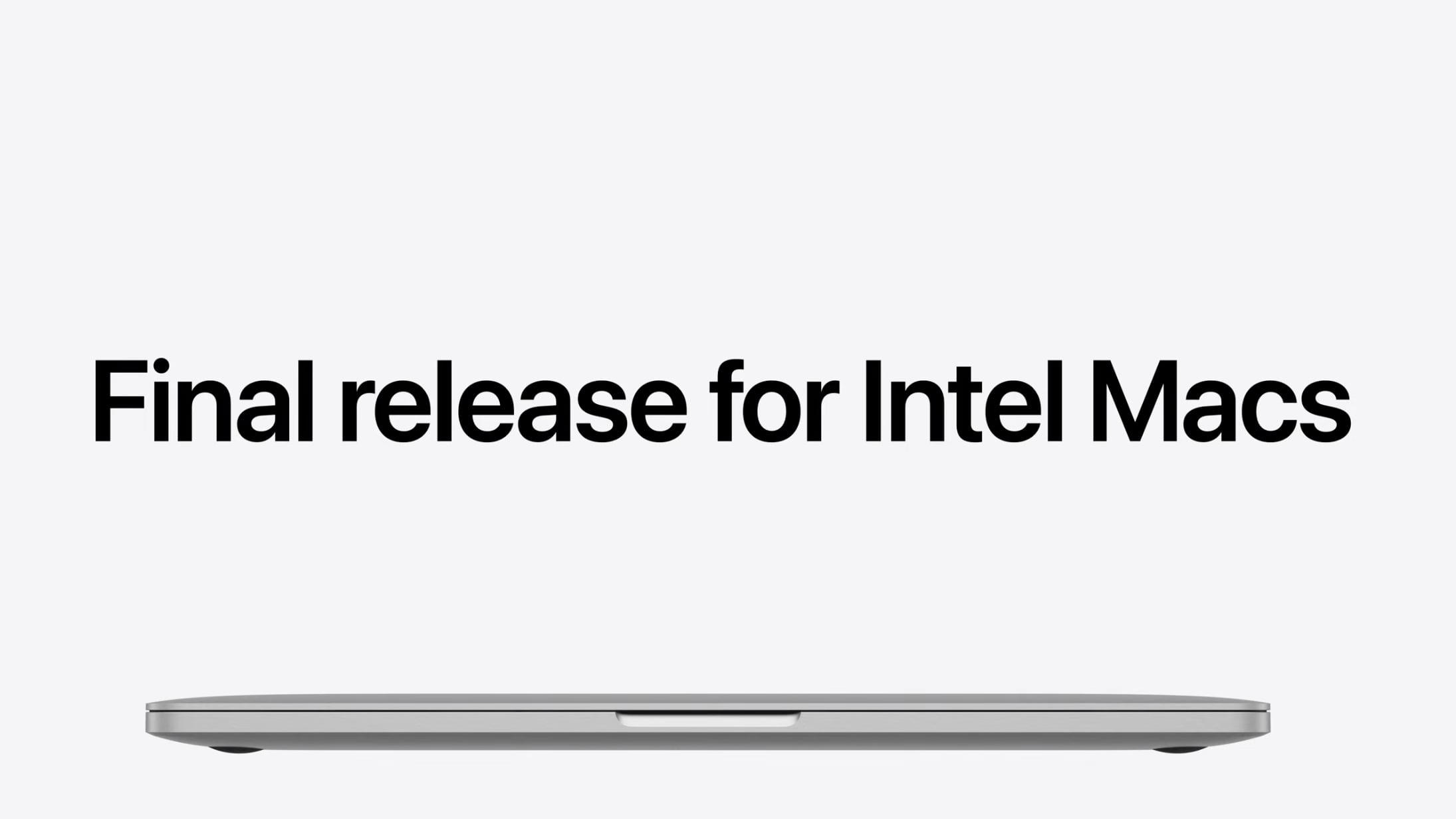
Apple has announced that developers can now remove Intel support from universal Mac App Store apps designed for macOS 13 or later versions. This change aims to streamline development and reduce download sizes. Developers opting to drop Intel support will cease providing updates for those computers, although existing Intel Mac users can continue using the last compatible app version. macOS Tahoe, the final release compatible with Intel-based Macs, will rely on Apple silicon Macs featuring an M1 chip or later.
Apple is also retiring Rosetta 2, the technology enabling Intel-based applications to run on Apple silicon Macs, with functionality ceasing for most apps after macOS Golden Gate. An exception is granted for a few older, unsupported gaming titles reliant on Intel-based frameworks.
Written by urgent.news from MacRumors's reporting — not their text. Machine-written — may contain errors; check the original before relying on it.