Korea's monthly exports surge 68.7% in August on strong chip shipments
Korea's monthly exports soared 68.7 percent in August from a year earlier on solid chip shipments, data showed Tuesday. Outbound shipments came to $98.25 billion in August, according to the Ministry of Trade, Industry and Resources. Imports climbed 22.6 percent on-year to $63.51 billion, resulting in a trade surplus of $34.75 billion.
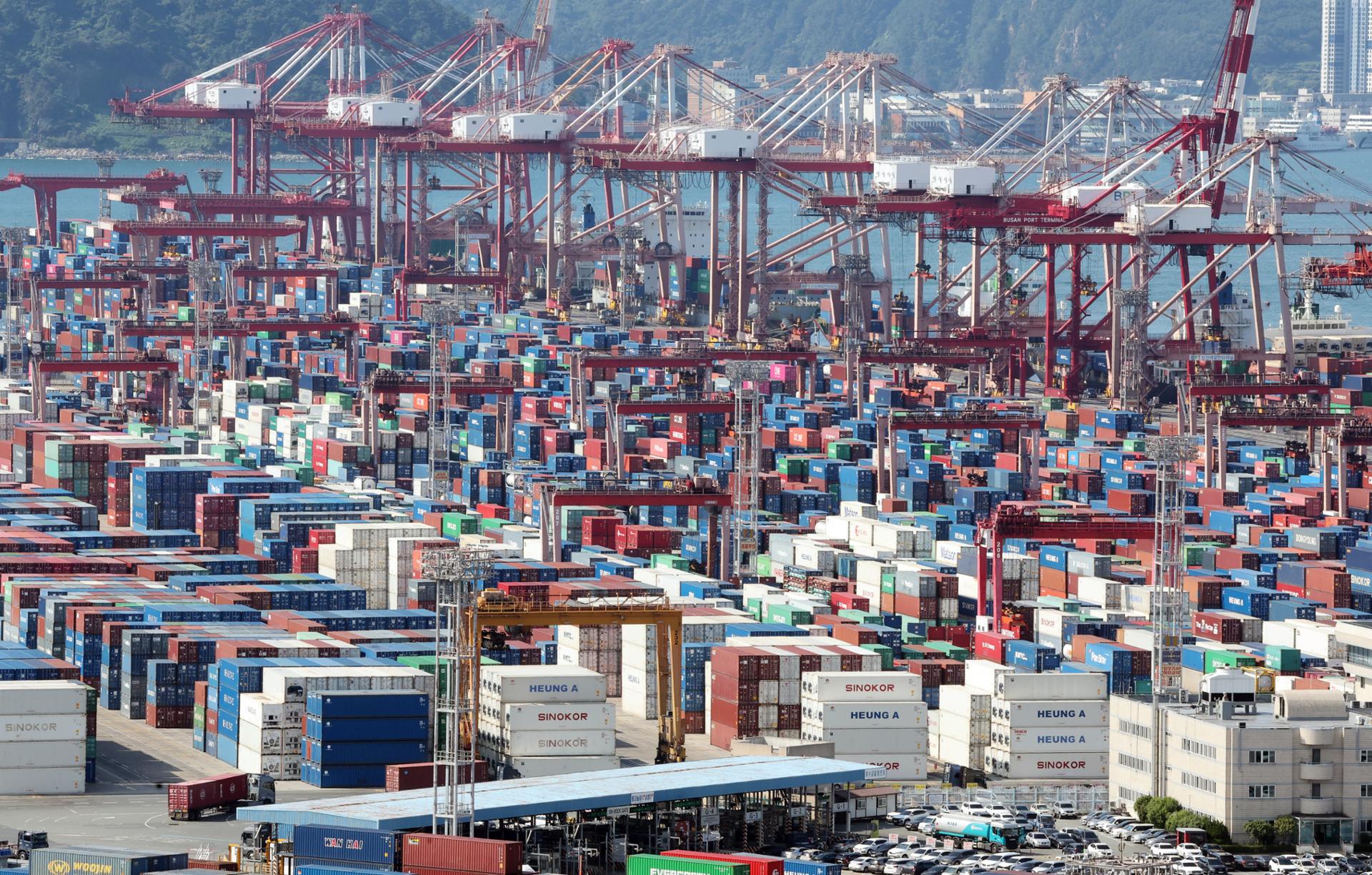
SEOUL, Sept. 1 (Yonhap) -- South Korean exports skyrocketed by 68.7 percent in August compared to the previous year, driven largely by robust semiconductor shipments, according to official data released on Tuesday. The country's total outbound shipments reached a record $98.25 billion in the month, while imports climbed by 22.6 percent to $63.51 billion, resulting in a substantial trade surplus of $34.75 billion.
The surge in exports was primarily fueled by the semiconductor industry, a crucial driver of South Korea's economy, which saw exports soar by an astonishing 209 percent to $46.65 billion. This marked the third consecutive month that semiconductor exports exceeded $40 billion. The surge in semiconductor demand was largely attributed to major tech companies, often referred to as "hyperscalers" such as Google and Amazon, ramping up their investments in artificial intelligence (AI) infrastructure.
While petroleum and petrochemical exports also saw significant growth, with a 65.3 percent increase in petroleum products and a 12.2 percent rise in petrochemicals, automobile exports declined by 29.8 percent to $3.85 billion. This drop was largely due to fewer working days during the summer holiday season and production disruptions caused by wage-related strikes.
Exports to China surged by 119.3 percent to $24.1 billion, primarily due to strong sales of semiconductors and general machinery. The United States was another key market, with exports climbing by 89.3 percent to $16.5 billion, largely driven by a tripling of shipments of semiconductors and computers. Exports to Southeast Asian countries climbed by 75.4 percent to $19.09 billion, while those to the European Union grew by 14.6 percent to $6.62 billion, both trends being driven by sustained demand for semiconductors.
Industry Minister Kim Jung-kwan stated that the country's export base is becoming more diversified, with semiconductor exports remaining strong and non-semiconductor exports also growing by 20 percent. The government vowed to closely monitor the effects of global trade conditions on Korean companies' exports, warning against complacency despite the current strong export performance.
Written by urgent.news from Yonhap News's reporting — not their text. Machine-written — may contain errors; check the original before relying on it.
This story
This is one outlet's version. Read the fullest account.