Kolumne „Out of the box“: Wer nicht streiten kann, zahlt drauf
In Unternehmen gilt Widerspruch zunehmend als Störung, dabei kann er helfen, Fehlentscheidungen zu verhindern. KI verschärft das Problem noch. Was ist aus der Streitkultur geworden?
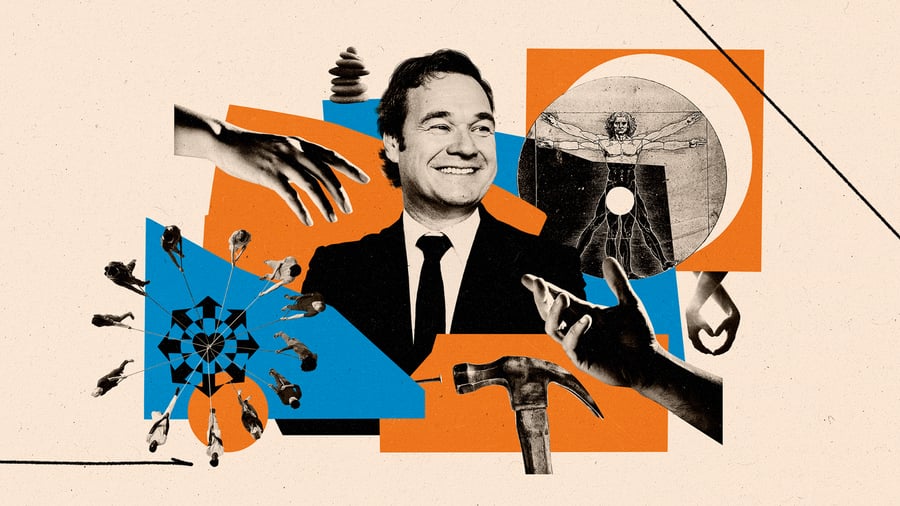
The business agenda is extensive, the schedule is accelerated, and the decision is overdue. The management looks around the room, the room stares at the table. Everyone has moved on. The company perceives this as a sign of approval and moves to the next item. Nothing wears people out more than an endless discussion. Opposition is seen as a brake, a system disturbance, or a sign of a lack of loyalty.
Those delivering bad news to the table will soon receive the bad news themselves. While companies invest more than ever in communication to ensure everyone is engaged and on board, they always end up at the lowest common denominator. Minor stomach aches become an unspoken major problem. The bill arrives later: in quality, customer satisfaction, and eventually as a big minus in the balance sheet.
In the past, opposition was seen as a productive force, known as a debate culture. Today, the phrase "debate culture" is hard to find. Email overload, home office, compliance, and pre-written standard texts make it difficult to speak plainly, even in performance appraisals and annual reviews. Both sides confuse opposition with a lack of appreciation, critical questioning with mistrust. An objection becomes a personal attack.
Written by urgent.news from Handelsblatt's reporting — not their text. Machine-written — may contain errors; check the original before relying on it.