Jeremy Douglas on Southeast Asia’s Drug Boom
"This is a region that is arguably now the largest epicenter of synthetic drug production in the world," says the UNDOC deputy director.
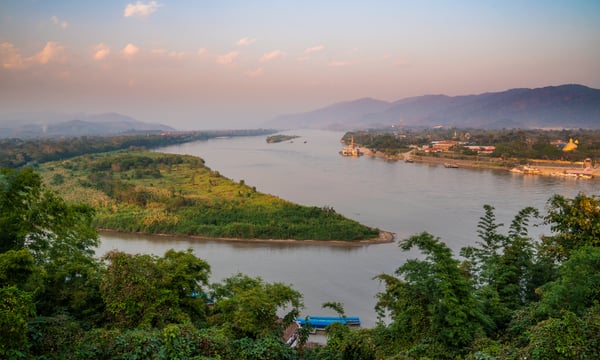
Jeremy Douglas, deputy director of operations at the UNODC, recently discussed the surge in drug production in Southeast Asia. He explained that the region has become the largest epicenter of synthetic drug production, with 90 percent of seized methamphetamine and ketamine coming from the Mekong region in Southeast Asia. This concentration surpasses that of North America, and Myanmar has emerged as the largest source of synthetic drugs in the world.
The shift to synthetic drugs like methamphetamine and ketamine began in the early 2000s in the Golden Triangle, specifically in Shan State, Myanmar. Initially, the drug was known as yaba and was primarily produced for the Thai market. However, by 2010, crystal meth started appearing in other parts of Southeast Asia, with some production originating in Myanmar.
A significant turning point occurred in 2015 when a major crackdown on methamphetamine labs in Lufeng, Guangdong, China, caused a displacement effect. Organized crime syndicates that had previously focused on heroin production shifted their operations to Myanmar, investing in labs in collaboration with ethnic armed groups. This shift in production location and focus has led to the unprecedented levels of drug production currently seen in Southeast Asia.
Written by urgent.news from The Diplomat's reporting — not their text. Machine-written — may contain errors; check the original before relying on it.