Jensen Huang explains why naming the smartest person is now complicated
Jensen Huang argues that conventional measures of intelligence are quickly losing relevance. In an age where artificial intelligence can competently handle technical skills, he asserts that genuine intelligence encompasses empathy and the ability to pick up on unspoken signals. This talent for grasping what isn't articulated is essential in the world dominated by AI, where foresight and intuition…
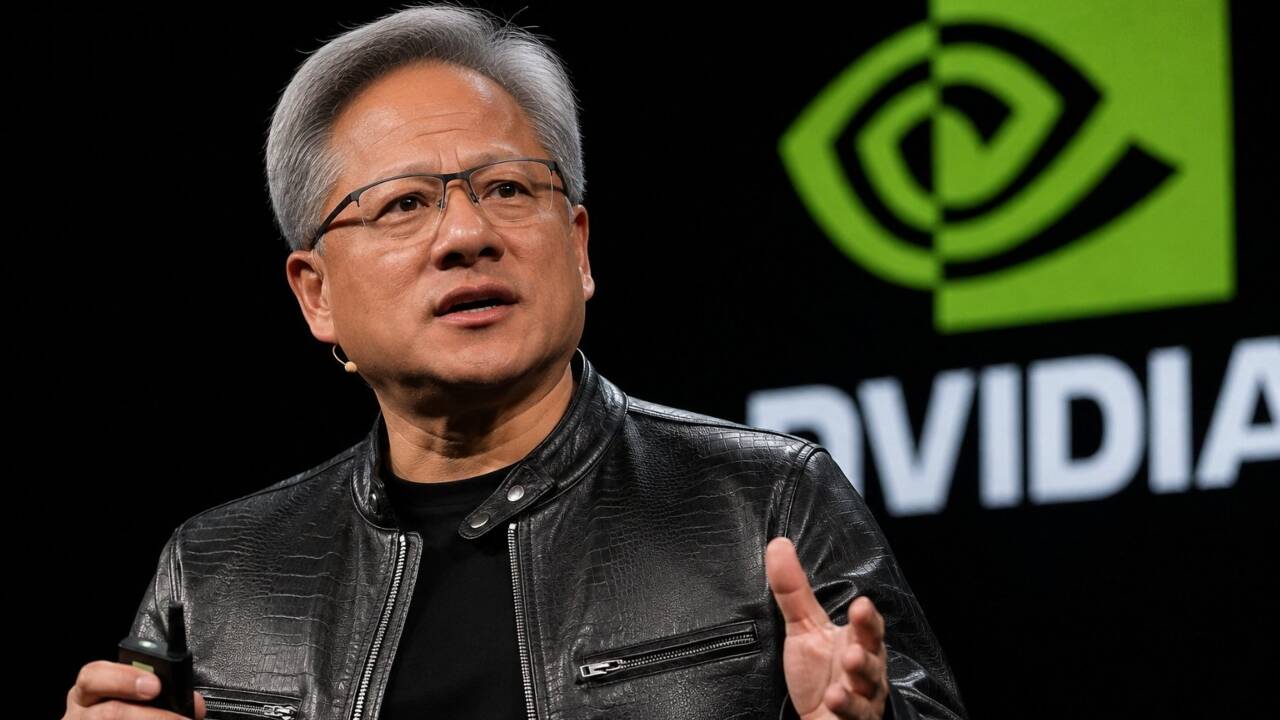
When asked who the smartest person they've ever met was, Jensen Huang, co-founder and CEO of Nvidia, found the question difficult to answer. This was despite his 33 years of experience and being the longest-serving CEO in the S&P 500. On the podcast A Bit Personal with Jodi Shelton, Huang struggled to come up with an answer. He explained why the concept of intelligence is evolving, and why naming the smartest person is now complicated.
Huang explained that AI is changing the definition of "smart." What was once considered the pinnacle of intelligence, like software programming, is now a task that AI can easily perform. Tools for code completion can automatically write code, and AI systems can also debug. The job that once required peak intelligence is now accessible and instantaneous. Therefore, the question arises: if programming is so easily handled by AI, what else can fall so quickly?
According to Huang, a smart person today should not only be technically proficient but also possess human empathy, the ability to infer unspoken aspects, and the capacity to anticipate problems. He calls this "feeling the vibe." This skill, which involves recognizing patterns at a human level, making intuitive leaps, and operating in ambiguity, is nearly opposite to what we've been training for.
Machines might process data and find patterns, but they cannot feel the room or sense what matters when criteria keep shifting. They cannot navigate the unknowable, but humans can. Therefore, those who can are the smartest.
Interestingly, the smartest person Huang described might not excel in conventional metrics of intelligence. For instance, the smartest person may not score well on SATs. The most intelligent individuals in the AI age are not those with the most technical skills but those who bring something AI cannot easily replicate.
Written by urgent.news from Times of India's reporting — not their text. Machine-written — may contain errors; check the original before relying on it.