'It's in the realm of possibility': Climate change is spurring a reemergence of yellow fever, and the US could face future threats
The yellow fever virus is reemerging in regions where it hadn't been seen for decades. Warmer temperatures and extreme weather could make conditions more favorable for the mosquitoes that carry the virus.
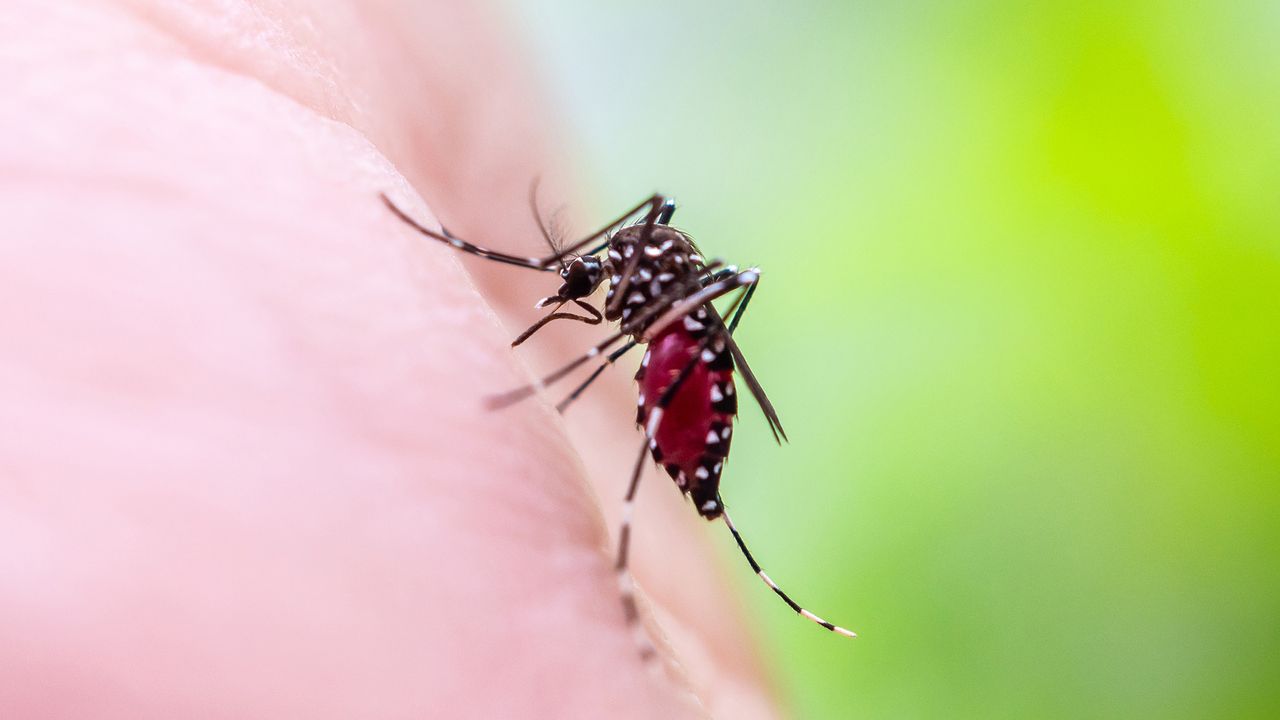
Yellow fever, a highly contagious mosquito-borne disease, is making a comeback in regions where it had long been absent. Climate change is believed to be the driving force behind this resurgence. Historically, yellow fever caused devastating epidemics across the Americas, Europe, and Africa before a vaccine was developed in 1937. Today, the disease remains a significant threat, with an estimated 31,000 to 82,000 deaths annually.
Scientists attribute the reemergence of yellow fever to the warming effects of climate change. Mosquitoes carrying the virus thrive in warmer temperatures, which increase their metabolic rates and shorten the time it takes for the virus to replicate within infected mosquitoes. This means that warmer conditions can lead to more frequent and intense outbreaks.
Extreme weather events, such as droughts and heavy rainfall, also contribute to the spread of yellow fever. Drought conditions force nonhuman primates, which carry the virus, to search for water, often leading them closer to human settlements. Similarly, heavy rainfall creates ideal breeding grounds for mosquitoes. In some cases, like Brazil in 2017-2018, extreme weather patterns may have directly triggered the outbreak.
The risk of yellow fever transmission is growing at the edges of urban areas, where forests meet cities. As humans encroach upon forested areas, they increase their exposure to infected mosquitoes. This trend is particularly concerning as climate change and deforestation continue to alter habitats and increase human-primate interactions.
While an effective vaccine exists for yellow fever, cases have been on the rise in recent decades, leading the World Health Organization (WHO) to develop a strategy for eliminating yellow fever epidemics by 2026. However, climate change and environmental factors may undermine these efforts.
Could yellow fever reemerge in the United States? The answer is a potential yes. While the mosquito species responsible for transmitting yellow fever, Aedes aegypti, already exists in several U.S. states, including Florida, Mississippi, Arizona, and New Mexico, warming temperatures could expand its range further north. Cities like Philadelphia and New York, which experienced major yellow fever outbreaks in the past, could face increased risks in the future.
A study predicts that nearly a billion people could be exposed to the mosquitoes carrying YFV globally by the end of the century, although the actual impact may vary depending on the severity of climate change.
Written by urgent.news from Live Science's reporting — not their text. Machine-written — may contain errors; check the original before relying on it.
This story
This is one outlet's version. Read the fullest account.