Indonesian fires prompt haze alerts, disrupt palm harvests
Drier conditions will affect palm oil yields in the medium term, while disruptions to operations and workers' hours will also translate into reduced output, says trader.
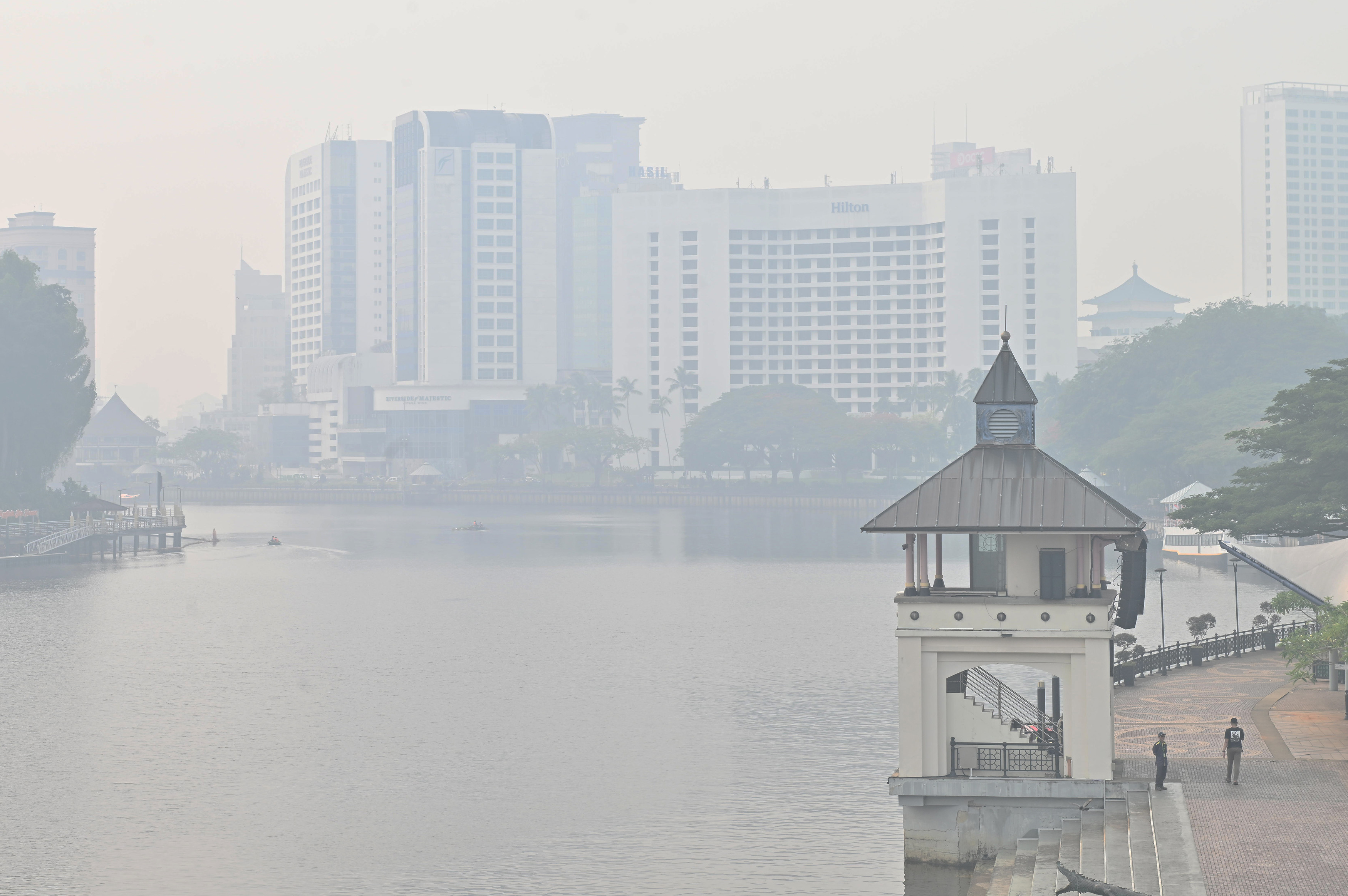
Indonesian forest fires have produced acrid haze that has blanketed parts of Southeast Asia, forcing millions of residents to stay indoors and disrupting palm harvests across the region's palm plantations. Air quality in Borneo and parts of the Philippines ranged from "very unhealthy" to "hazardous" according to Swiss monitor IQAir, while authorities responded to the worsening cross-border crisis.
In Indonesia, some farm workers were being drafted into firefighting efforts, and palm fruit growth may be affected by smoke and reduced sunlight. The El Niño weather pattern has heightened the risk of widespread and longer-lasting fires this year, with fire hotspots in Indonesia spiking to nearly 10,000 last month – ten times more than in the past two years, and more than 200,000 hectares scorched so far in 2023.
This could reduce output of the world's most widely used vegetable oil, potentially boosting prices already near two-year highs. Malaysia's Sarawak state, which includes the island shared with Indonesia and Brunei, was preparing to close offices and use cloud seeding to alleviate the situation. The Philippines also cancelled in-person public school classes due to the haze, advising residents to limit outdoor activities and wear masks.
Indonesia deployed thousands of firefighters and aircraft to combat the fires, while air pollution affected hazardous levels in Indonesian Borneo and Sumatra, disrupting day-to-day activities and businesses.
Written by urgent.news from Free Malaysia Today's reporting — not their text. Machine-written — may contain errors; check the original before relying on it.
This story
This is one outlet's version. Read the fullest account.