Philippine capital’s ‘acutely unhealthy’ air due to Indonesian haze spurs warnings
Smoke from Indonesian wildfires blanketed Manila on Tuesday, turning fires nearly 2,000km (1,242 miles) away into a public-health warning for the Philippine capital and reviving concerns over Southeast Asia’s recurring transboundary haze problem. The haze, carried by southwesterly winds from fires in Kalimantan, the Indonesian part of Borneo, prompted health experts to urge people to wear N95…
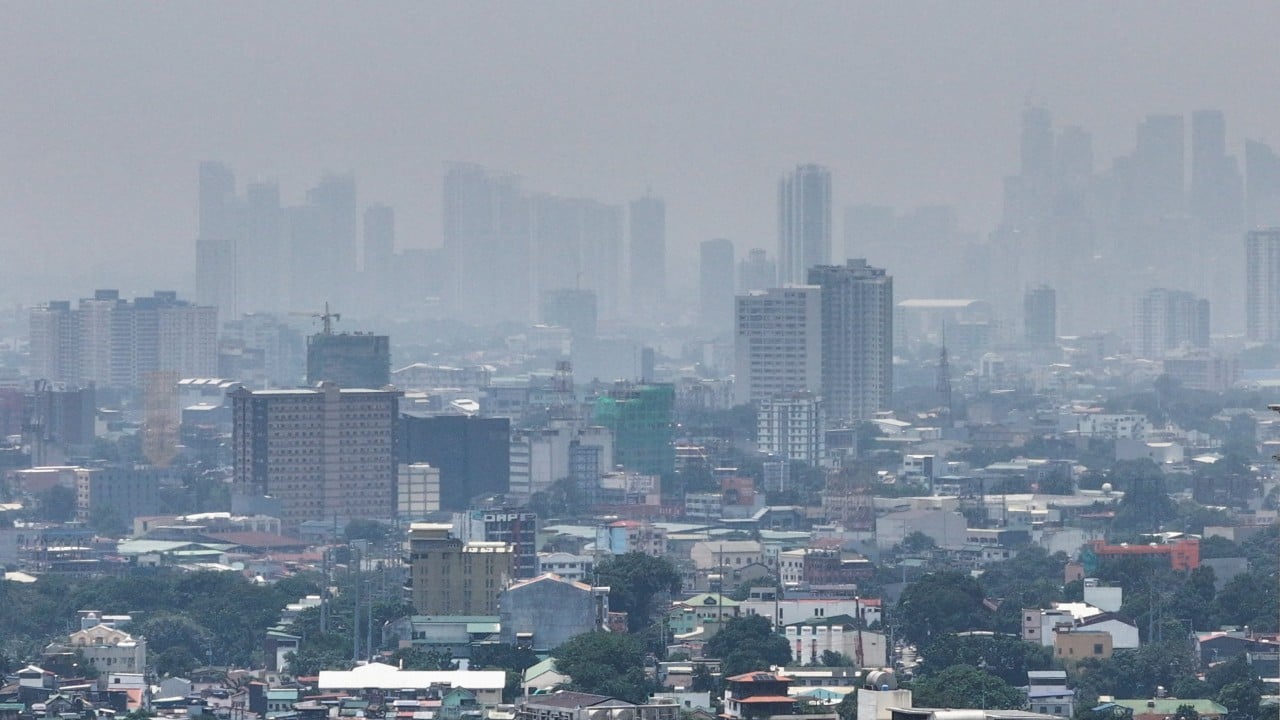
Smoke from Indonesian wildfires enveloped Manila on Tuesday, transforming distant blazes nearly 2,000km away into a public health alert for the Philippine capital and reigniting worries about Southeast Asia's recurring transboundary haze issue. Health officials urged people to wear N95 masks outdoors as air quality plummeted across Metro Manila, with the Department of Environment and Natural Resources warning that air quality had reached "acutely unhealthy" levels in parts of the region.
Quezon City, a part of the capital region, suspended classes in all schools due to the warning. Atmospheric physicist Gerry Bagtasa explained to ABS-CBN that the hazardous haze was comprised of minute particles carried by southwesterly winds. According to satellite images, the pollutants originated from escalating wildfires in western and southern Kalimantan.
Although Kalimantan is roughly 1,939km from Manila, Bagtasa attributed the intensified southwest monsoon Habagat to two typhoons hovering east of Taiwan and south of Hong Kong, along with the current El Nino phenomenon. He anticipated the haze to persist until the weekend, contingent on wind direction. Indonesia's forest and land fires are often exacerbated by dry weather, peatland conditions, and land-clearing practices, with smoke capable of traversing borders when seasonal winds shift.
The last time the Philippines faced Indonesian haze was in 2015 during another El Nino event, Bagtasa noted. However, he emphasized that the haze was not a natural disaster but rather "man-made" and could potentially worsen due to Indonesia's typical wildfire peaks between September and October. The haze has also sparked discussions on whether Southeast Asian governments possess effective methods to mobilize cross-border assistance when fires in one nation impact the health of residents in another.
Indonesian associate professor Yohanes Sulaiman suggested that any regional response would hinge on whether Jakarta would accept outside help, stating that Indonesia has historically been reluctant to accept foreign aid during disasters. Philippine military officials revealed that there is no automatic mechanism within the Association of Southeast Asian Nations for soldiers from one member country to assist another in humanitarian and disaster response.
Written by urgent.news from South China Morning Post's reporting — not their text. Machine-written — may contain errors; check the original before relying on it.
This story
This is one outlet's version. Read the fullest account.
- Indonesian fires prompt haze alerts, disrupt palm harvests freemalaysiatoday.com