ICMR study identifies well water as major risk factor for amoebic meningoencephalitis in Keralam
The case-control study is first scientific proof of questionable quality of well water in Keralam, on which a significant section of the population depends for bathing and other domestic use
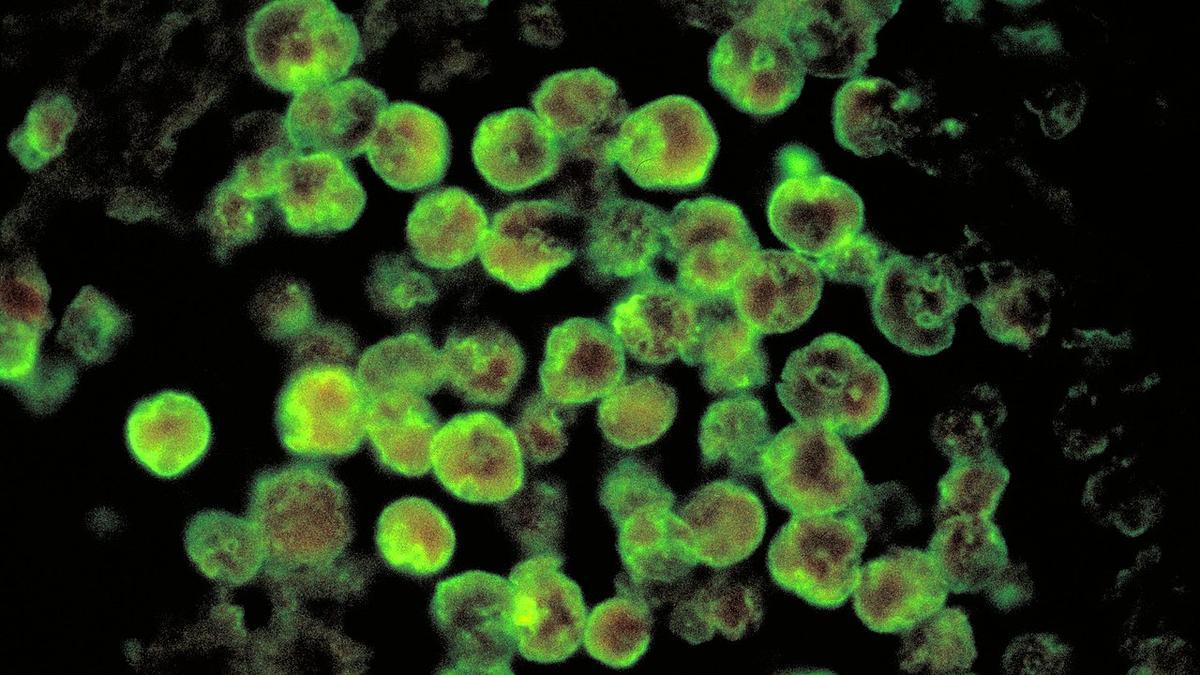
In a groundbreaking study by the Keralam Health Department and researchers from the Indian Council of Medical Research’s National Institute of Epidemiology, natural water bodies and non-chlorinated well water have been identified as significant risk factors for amoebic meningoencephalitis (AME) in Kerala. This is the first scientific evidence linking water quality to the disease in the region.
The study, published in the journal Emerging Infectious Diseases, analyzed 159 AME cases reported in Kerala from January to November 2025. Of these, 67 (88.2%) were caused by Acanthamoeba species, with 41 patients succumbing to the illness, resulting in a 25.8% case fatality rate. The research highlights that individuals using well water for activities involving face, head, or skin contact were 2.95 times more likely to contract AME, while those with wounds or ulcers exposed to natural water faced a staggering 25.4 times higher risk.
The findings underscore the urgent need for water quality surveillance, regular chlorination, and public health messaging to minimize the risk of AME, particularly during the monsoon and post-monsoon periods.
Written by urgent.news from The Hindu - Sci-Tech's reporting — not their text. Machine-written — may contain errors; check the original before relying on it.
This story
This is one outlet's version. Read the fullest account.
- Drug-resistant infections kill more, cost more: ICMR study health.economictimes.indiatimes.com
- ICMR study identifies well water as major risk factor for amoebic meningoencephalitis in Keralam thehindu.com