How Ukraine created world-leading prostheses amid the chaos of war
Injuries from the war in Ukraine have forced the country to develop highly advanced prostheses and fit them in record numbers. What can the rest of the world learn from its efforts?
In the early 1980s, the Soviet Union fought a war in Afghanistan, during which many Ukrainian soldiers lost their legs. Back then, the Soviet response was to provide a wooden board with wheels as the only alternative for mobility. Fast forward to the present day, and Ukraine finds itself in yet another war, leading to an unprecedented number of amputations.
This time, the response has been quite different. Antonina Kumka, a co-founder of Protez Hub, an initiative to improve the lives of Ukrainians with amputations, has been working tirelessly to address this challenge. However, questions remain about whether Ukraine has the necessary resources and if the industry is acting in the best interests of those it helps.
The exact number of Ukrainian amputations is uncertain, with estimates ranging from 24,100 to over 100,000 based on various sources. Regardless, this figure represents a significant loss for a generation of Ukrainians. Unlike in the past, today's war creates particularly difficult amputation cases due to the harsh conditions on the front lines.
Yakov Gradinar, a worker at the Prosthetics Foundation, explains how soldiers have been trapped in the "Kill Zone," wearing tourniquets for extended periods, leading to complications and amputations. The Ukrainian government's commitment to supporting amputees has led to increased funding, with soldiers receiving $100,000 per lost limb, allowing them to choose from numerous private clinics or even international options.
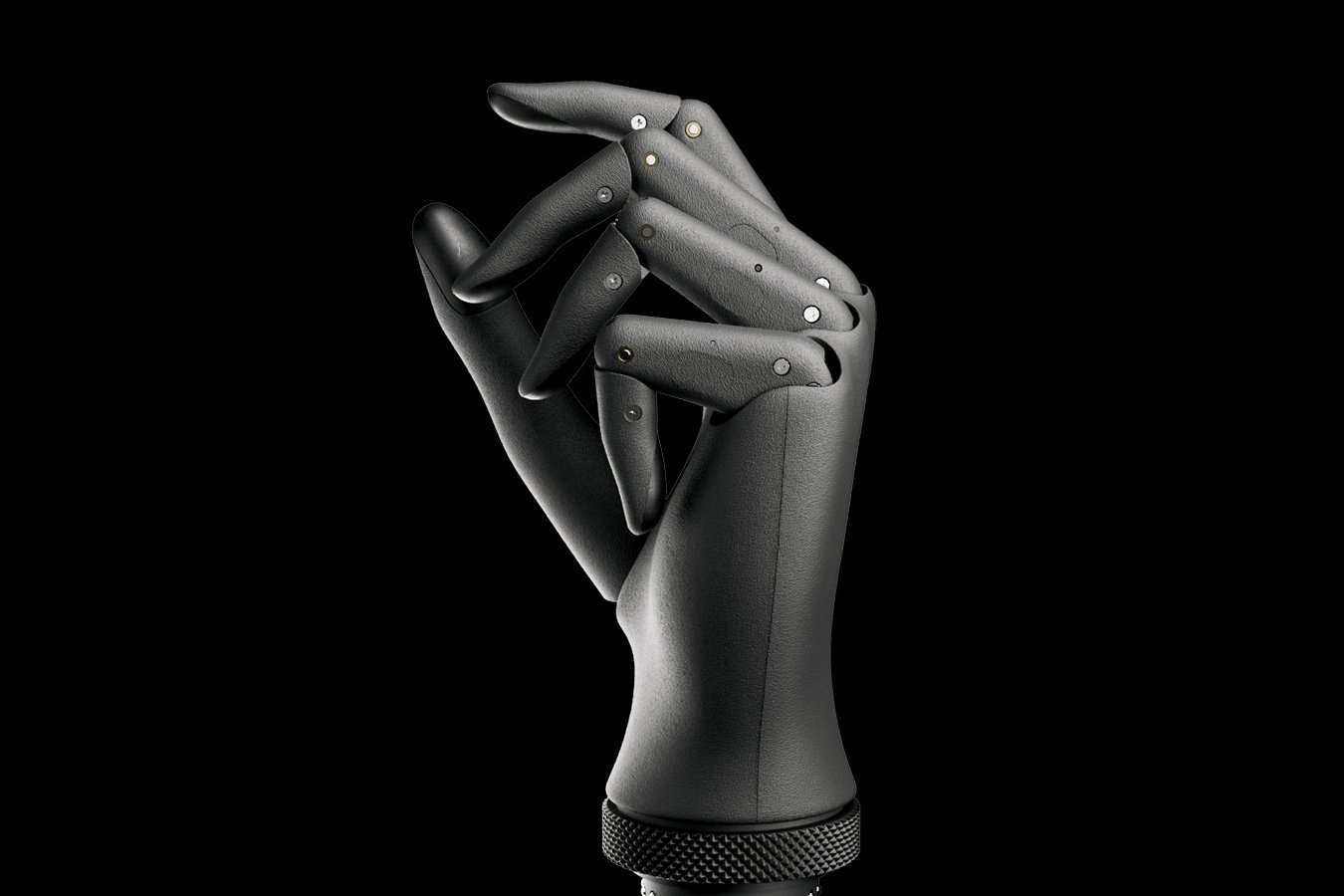
This investment has spurred the growth of new clinics, research labs, and companies like Esper, which has developed an advanced robotic prosthetic hand with six motors and a waterproof design.
Written by urgent.news from New Scientist's reporting — not their text. Machine-written — may contain errors; check the original before relying on it.