How China can muddle through to superpower status
Despite structural challenges, China could rely on its economic and technological engine to become a peerless superpower in 2036, experts believe.
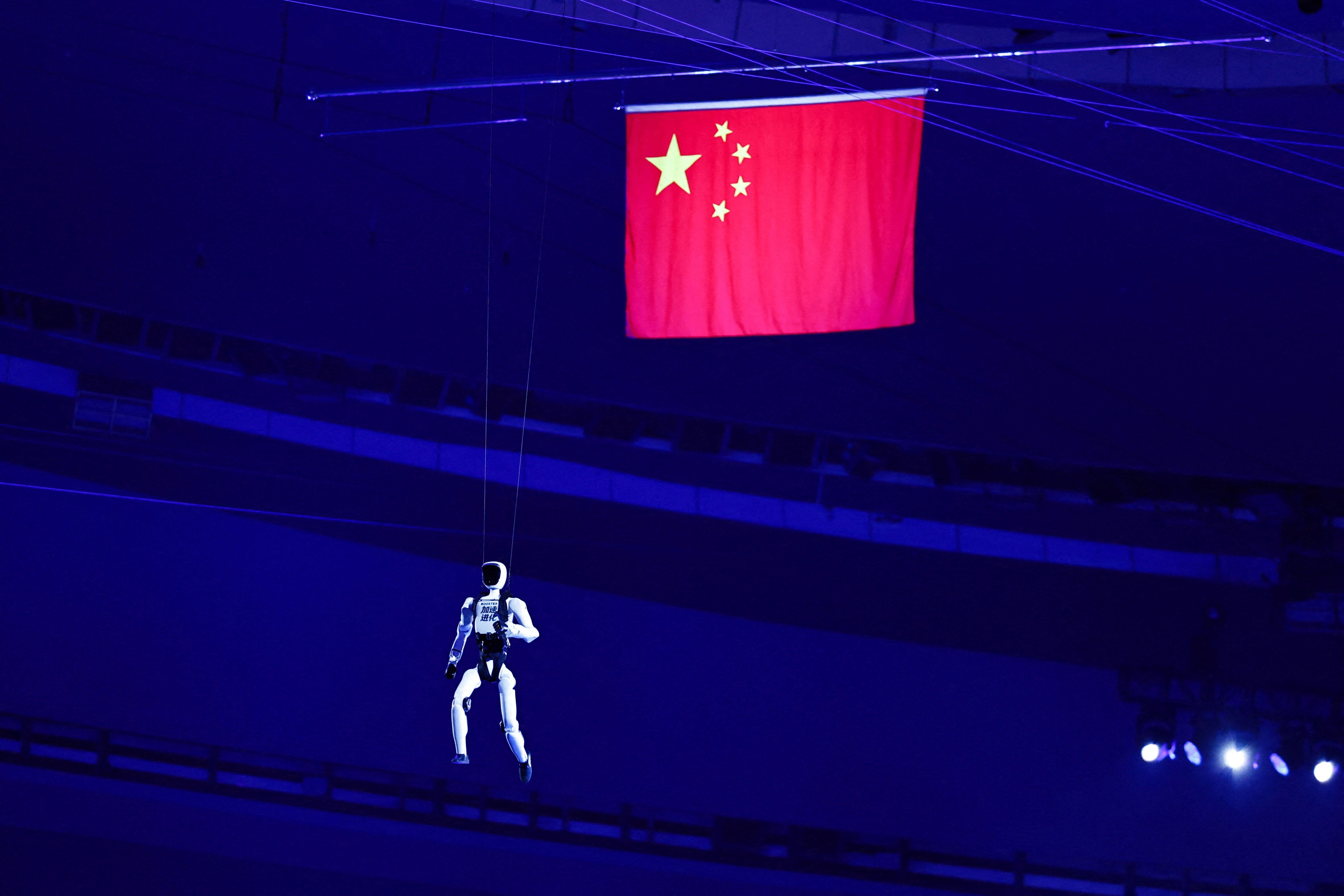
China's ascent to superpower status has sparked polarized views, ranging from an unstoppable force on the brink of global domination to a precarious dictatorship on the verge of collapse. The Soviet Union serves as a historical parallel, showcasing the fragility that can accompany immense power. However, China presents a unique case with its economic resilience, technological advancements, lack of ideological export, and reluctance to engage in foreign adventures.
This piece explores China's trajectory as a global power over the next decade, its potential power type, and its fragility.
As a research director at a think-tank, the author has observed numerous discussions among politicians, officials, investors, and experts grappling with these questions. The prevailing sentiment often involves pre-existing views and biases, which limits open-mindedness and hinders progress. To address this, Chatham House has employed a new analytical approach called back-casting.
This method starts with a hypothetical future scenario, often highly desirable or undesirable, and works backward to determine how such a scenario could have occurred.
In a scenario where China emerges as a peerless technological-economic superpower by 2036, the author posits that China has leveraged its dominance in manufacturing, robotics, and AI to establish unrivaled geopolitical power. Beijing has used its vast profits to strengthen its global leadership ambitions, reshaping international rules and institutions in its favor.
While there are challenges such as an aging population, local government debts, ailing property markets, youth unemployment, and centralization of power, the author believes China can navigate these issues using its economic and technological engine.
Advanced robotics, rapid AI rollout, and dominance in global manufacturing are expected to counter a shrinking workforce and create new jobs to address youth disaffection. China's global manufacturing dominance should maintain a steady flow of foreign exchange, helping Beijing manage property and local government sector debts. Despite some concerns about leadership succession, the Communist Party appears sufficiently institutionalized and united to manage potential transitions.
The author suggests that this outcome should not be surprising, as many governments tend to defy dramatic predictions and "muddle through." To achieve this, the scenario assumes the US turning inward and failing to cooperate with allies in Europe and Asia, as well as Europe failing to unite. Consequently, policymakers and voters in these regions hold the power to change this trajectory.
The author argues that the US and its allies require another "Sputnik moment" to spur action. This moment could come from Beijing achieving a spectacular feat of innovation, such as developing a cure for a devastating disease, creating globally dominant AI applications, or unveiling solar-powered data centers in space. Ironically, it may take more successes from China to snap Europe and the US out of their complacency, whether due to self-centricity in Europe or self-harm in the US.
Ultimately, notable yuan revaluation through tariffs could prevent China's enormous trade surplus from overwhelming Western industries.
Written by urgent.news from Semafor's reporting — not their text. Machine-written — may contain errors; check the original before relying on it.