Ghana welcomes landmark UN report on reparations for transatlantic slavery
Ghana has welcomed a landmark report by the United Nations Committee on the Elimination of Racial Discrimination (CERD), which affirms that States have obligations to provide reparatory justice for the trafficking of enslaved Africans and racialised chattel slavery. The Committee’s report provides authoritative guidance on the obligations of States under the 1965 International Convention on […]
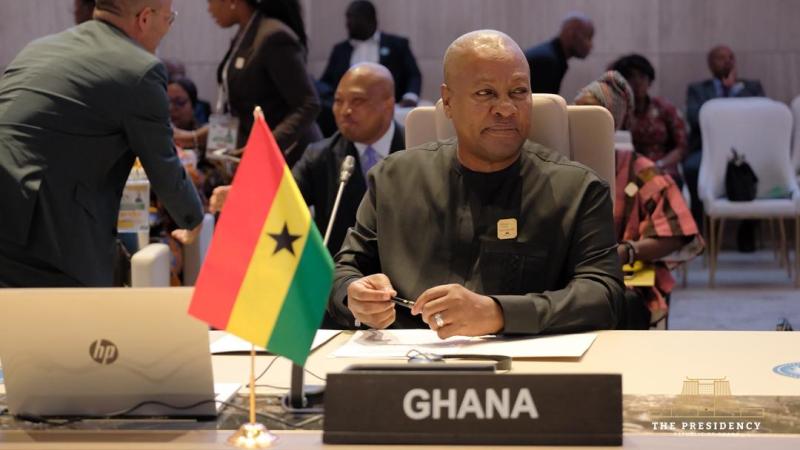
Ghana has warmly received a major United Nations report on reparations for the transatlantic slave trade. This report confirms that governments have a responsibility to offer reparative justice for the forced trafficking of African people and racial slavery. The UN Committee on the Elimination of Racial Discrimination’s assessment represents a significant shift in the world’s stance on reparations.
Ghana’s Ministry of Foreign Affairs explains that the report makes it clear that the idea that slavery was legal at the time cannot be used to dodge current obligations to provide reparative justice. This development comes after Ghana played a key role in adopting a UN resolution that recognizes the transatlantic enslavement of Africans as the worst crime against humanity.
President John Dramani Mahama is actively pushing Ghana’s reparations agenda at both regional and global levels. He has presented a detailed report on the progress of the landmark UN resolution at an African Union meeting in Angola. President Mahama is also striving to gain international support for restitution and reparations. The African Union’s ambassador for reparations, President Mahama, has been working to build global backing for restitution and reparative justice.
The upcoming Next Steps Summit in Accra will likely be the setting for Ghana’s President to host a high-level event on restitution during the UN General Assembly in New York next month. Ghana's commitment to this issue comes from the belief that historical wrongs do not lose their relevance over time. As the Ministry of Foreign Affairs puts it, "A crime does not rot," emphasizing that principles of justice, restitution, and accountability are still important despite the crimes being committed decades ago.
Ghana is expected to keep collaborating with the African Union, CARICOM, and the African diaspora to push for reparations. The Ministry believes that the latest UN report bolsters the case for reparations, as recognition increasingly turns into obligations. The Ministry stresses that "justice does not expire with time."
Written by urgent.news from GBC Ghana's reporting — not their text. Machine-written — may contain errors; check the original before relying on it.