Easy Japanese in focus as way to deliver information to foreign nationals
A survey targeting foreign nationals living in Tokyo found 41.3% want to read information in easy Japanese, higher than 35.9% seeking information in English.
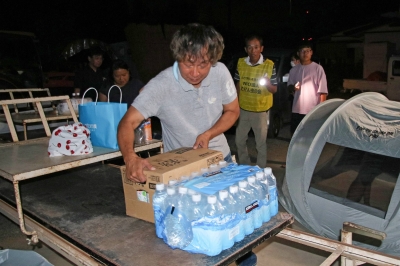
Easy Japanese is gaining attention as a means to convey information to foreign nationals living in Japan, particularly during crises such as the recent quake in Kumamoto Prefecture. A survey of Tokyo-based foreigners found that 41.3% prefer to receive information in easy Japanese, compared to 35.9% who would opt for English. The foundation promoting easy Japanese, Tokyo Metropolitan Foundation Tsunagari, explains that this approach avoids onomatopoeia, mimetic words, foreign language borrowings, and ambiguous terms in favor of concise, clear sentences.
For instance, "cancel" can be expressed as "quit" and "receive" as "can be obtained." In Kumamoto, many residents come from Southeast Asian nations, with over half of foreign residents hailing from countries like Vietnam and Indonesia. The prefectural government's international affairs division aims to provide information in easy Japanese rather than English due to the predominance of non-English speaking residents.
Following the magnitude 7.1 earthquake on July 29, IT firm WizTry in Kumamoto set up a website featuring an easy Japanese page for foreign affected residents. An example of the page reads: "There are places where water is being handed out. Money is not needed." WizTry's president, Kotaro Suematsu, hopes the easy Japanese page will aid foreign nationals who often feel excluded from information.
Written by urgent.news from Japan Times's reporting — not their text. Machine-written — may contain errors; check the original before relying on it.
This story
This is one outlet's version. Read the fullest account.