DR Congo Ebola outbreak surpasses 6,000 cases as death toll nears 3,000
The Democratic Republic of the Congo faces the fastest-growing Ebola epidemic in recorded history. Official figures released Monday confirm more than 6,000 cases and 2,911 deaths. Health authorities noted a small positive sign amid the crisis. More than 1,360 people have successfully recovered from the virus. Deep Roots of Insecurity and Displacement Eastern Congo provides […]
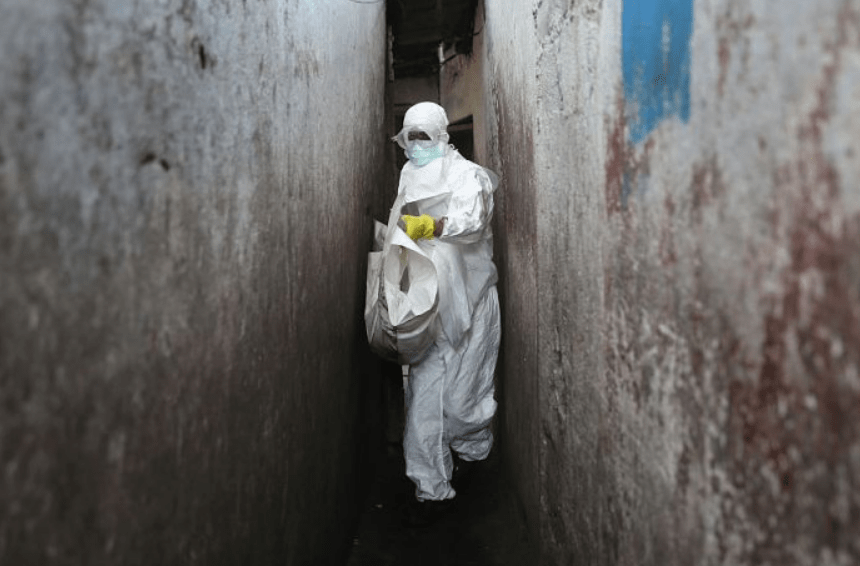
The Democratic Republic of Congo contends with its most rapid Ebola outbreak on record, with more than 6,000 cases and 2,911 fatalities, according to official data released on Monday. Despite this grim reality, a silver lining emerges: over 1,360 individuals have recuperated from the virus.
Eastern Congo offers a perfect breeding ground for the epidemic to spread swiftly. Pervasive conflict, mass displacement, and population movements all contribute to the virus's rapid transmission. Local health workers' ongoing strike further complicates efforts to contain the outbreak. Areas with a high concentration of displaced populations are particularly vulnerable due to the precarious living conditions they face.
The World Health Organisation warns that the outbreak remains entirely uncontrolled, with transmission patterns alarming enough to potentially surpass the devastating 2014-2016 West Africa epidemic, which resulted in over 11,000 deaths. The current contagion traces back to February, although formal declarations did not surface until May. It has now expanded from its initial three zones to nearly 60 areas.
Frontline workers face significant hostility while attempting to curb the spread of the disease. A recent incident saw armed assailants storm an Ebola burial site outside Mambasa in Ituri province, injuring one response worker and forcing the entire team to flee. Floribert Magene, a member of the response team, voiced the constant threat of violence, demanding greater security for medical personnel to perform their duties without endangering their lives.
Traditional burial practices, which involve handling deceased victims who remain highly contagious, further complicate containment efforts. Authorities mandate state-managed burials for suspected cases to prevent transmission, but these protocols often generate friction and protests from grieving families and communities.
The Bundibugyo strain, a rare viral type, is the source of the current epidemic. Officials initiated a vaccination campaign last week targeting health workers and front-line staff using the Ervebo vaccine, which has proven effective against the Zaire strain. Clinical trials are underway urgently to develop a licensed vaccine for the Bundibugyo variant.
The epidemic has paralyzed daily life in six affected provinces, implementing measures such as restrictions on public gatherings, enforcing social distancing, and closing airports. Ituri province faces a double burden, grappling with both the epidemic and persistent rebel violence.
Advocacy groups urge authorities to deepen community engagement and build local trust. The World Health Organisation warns that cross-border transmission risks persist despite neighboring Uganda declaring itself Ebola-free last month. Balancing immediate epidemiological containment with fostering enduring community trust remains the central challenge for international health bodies and local administrations.
Written by urgent.news from Adom Online's reporting — not their text. Machine-written — may contain errors; check the original before relying on it.
This story
This is one outlet's version. Read the fullest account.
- DR Congo confirms more than 6,000 Ebola cases, almost 3,000 deaths qatar-tribune.com