Dethroning Loyalty
Rob Dobi What’s wrong with loyalty? Isn’t it a virtue to display steadfast allegiance to something or someone other than oneself? After all, loyalty has been celebrated as a virtue across many cultures for millennia. As economic headwinds and a tough job market appear to be empowering more authoritarian styles of leadership, it’s a good […]
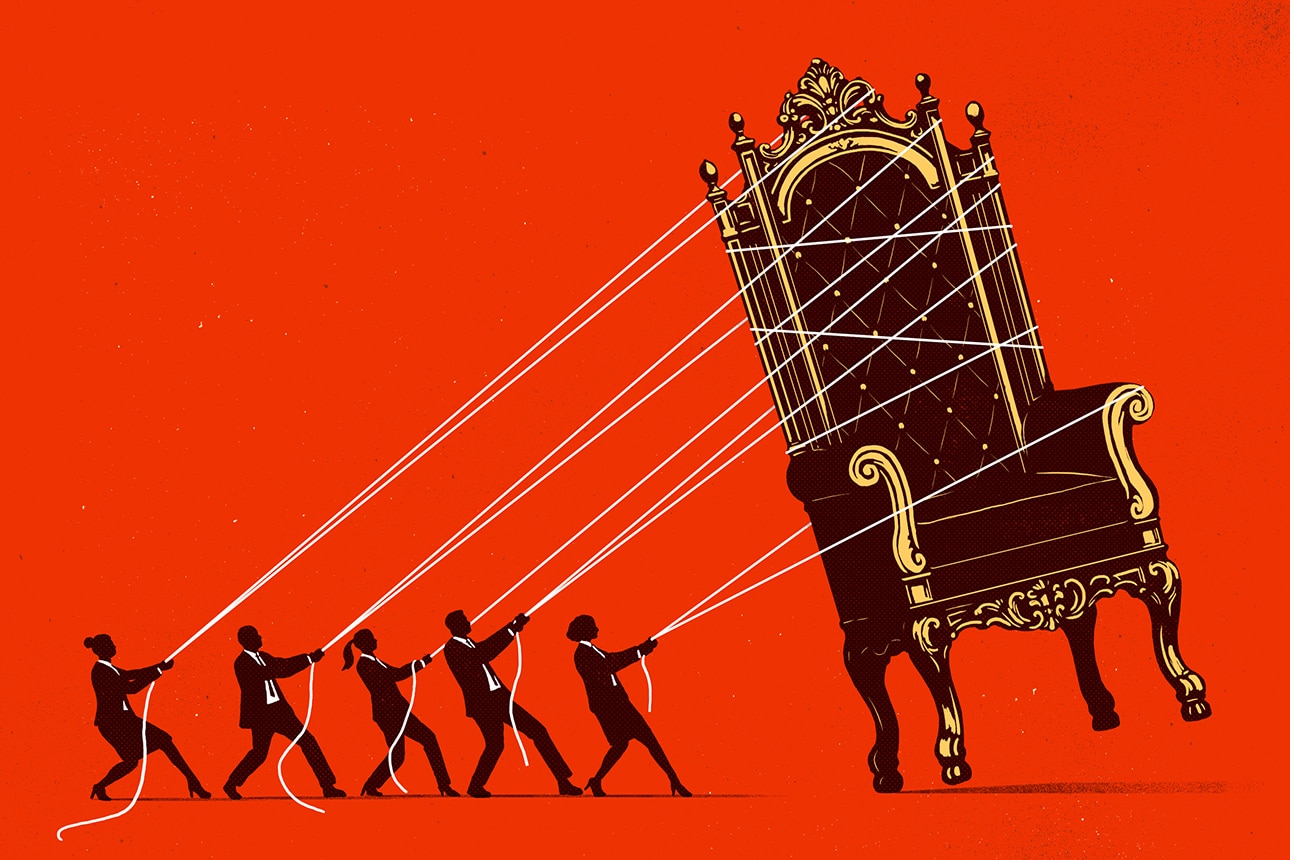
Loyalty, once celebrated as a virtue, is now facing scrutiny as authoritarian leadership gains traction. Recent high-profile examples reveal the problematic nature of placing unwavering allegiance above all else. Staffers loyal to President Biden allegedly concealed signs of cognitive decline before withdrawing from the presidential race, while President Trump demanded personal loyalty from his administration, subjecting candidates to "loyalty tests."
However, any dissent is often labeled as betrayal, and loyalty can mask unethical behavior. Loyalty is inherently partial, prioritizing the interests of one group over others. It can be moral, amoral, or immoral, depending on the context. In today's job market, where employees have limited alternatives and authoritarian leadership is on the rise, loyalty is often a one-way street.
Many U.S. employees lack trust in leadership and feel their well-being is not prioritized. Companies are shifting towards transactional work exchanges grounded in fear, labeling those who challenge them as "disloyal" to maintain career prospects. Loyalty, in its current form, is undeserving of pride and should be discarded in favor of ethical conduct.
Written by urgent.news from MIT Sloan's reporting — not their text. Machine-written — may contain errors; check the original before relying on it.