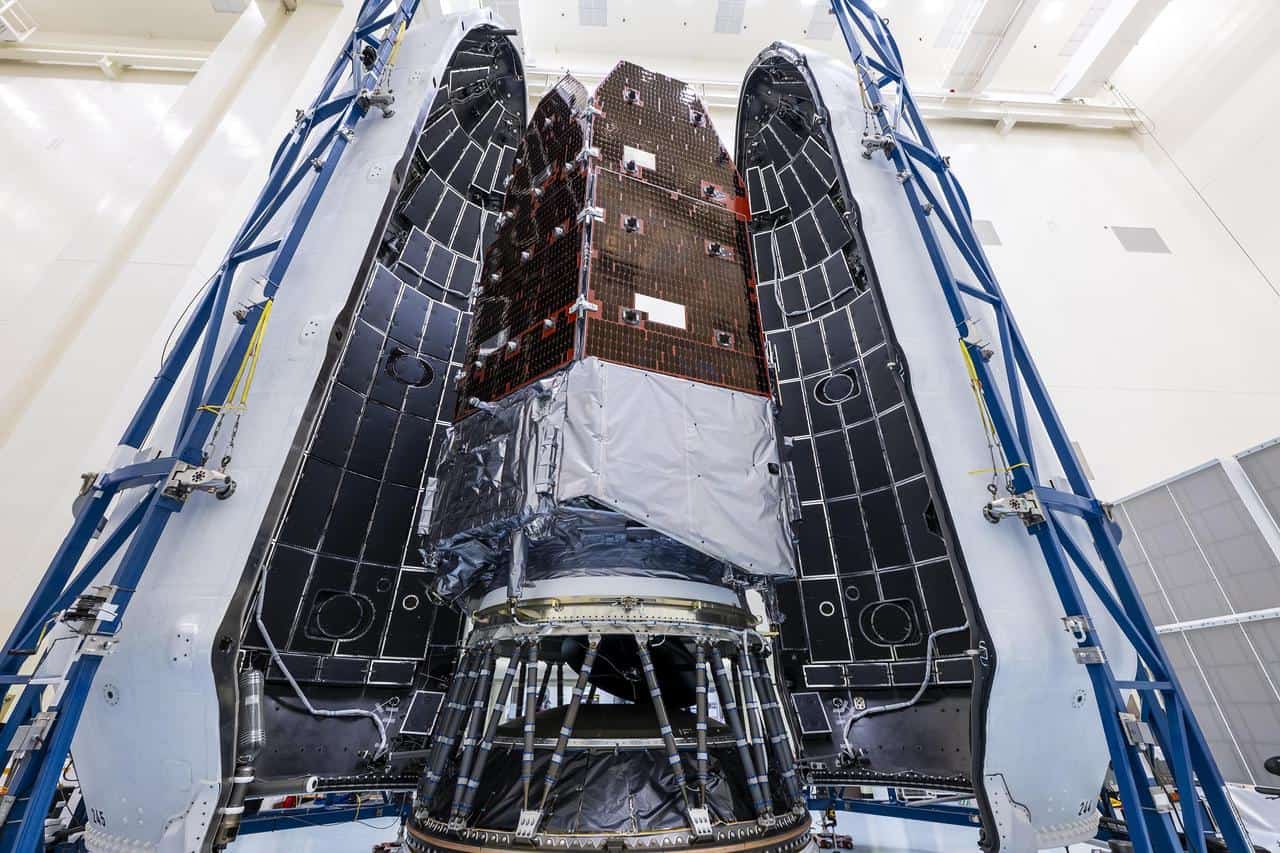
Despite Delays, China Could Gain Ground in the Space Race
While the U.S. still holds considerable advantages gained through its earlier lunar explorations, China’s planned mission could provide it with a crucial edge.
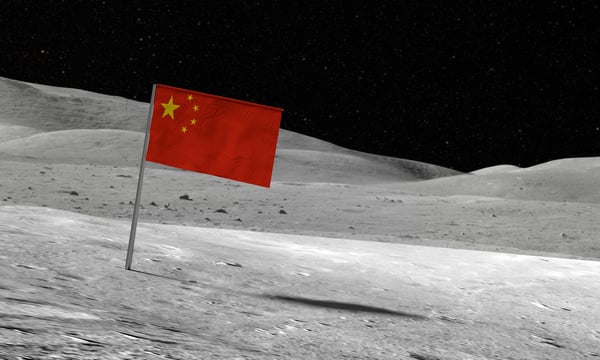
China's lunar mission, Chang'e 7, experienced delays but could still bolster its standing in the U.S.-China space race. Initially planned for August 23, 2023, the mission was postponed to August 24 before being indefinitely delayed. The primary objective is to search for water ice on the lunar surface, which could provide China a significant edge in the race.
The uncrewed mission includes an orbiter, lander, a small hopping probe, and a rover, all launched on a Long March 5 rocket to a site near the Shackleton crater on the lunar south pole. The mission also involves six international partners, including Russia, Russia, Egypt, Bahrain, Italy, Thailand, Switzerland, and a Hawaii-based non-government organization.
This diverse set of partners highlights China's efforts to conduct space diplomacy and gain soft power benefits. If successful, the mission could potentially convert lunar water ice into drinking water and oxygen, or into rocket fuel, opening up possibilities for inter-planetary missions. This mission, along with the planned Chang'e 8 mission in 2028, could give China a significant head start in establishing its lunar base and setting norms for lunar exploration, which could be beneficial to Beijing.
While China appears to have a head start, the U.S. could still catch up, especially after the postponement of their lunar missions. The U.S. appears less determined in this space race compared to China.
Written by urgent.news from The Diplomat's reporting — not their text. Machine-written — may contain errors; check the original before relying on it.