Dans le canal de Panama, El Niño impose une baisse du trafic maritime et l’envolée des prix de passage
Le phénomène climatique fait chuter les apports en eau dans le passage par lequel trasite habituellement 5 % du commerce mondial.
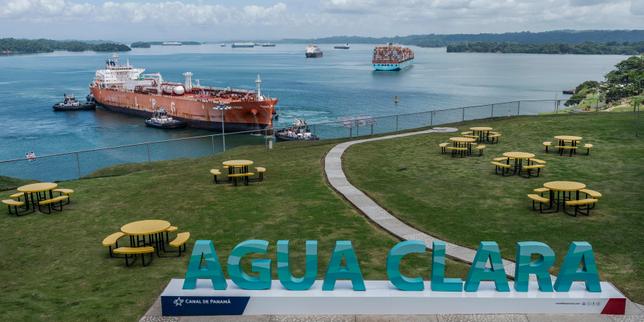
From September 3, the Panama Canal will limit the number of ships passing through from 38 to 34 per day, dropping to 32 from the 15th. This reduction stems from falling water levels caused by drought conditions linked to El Niño. Rainfall in the region has been 34% below average since May, and inflows to the basin have decreased by 44%.
Approximately 5% of global maritime traffic passes through the canal. Panama has declared an emergency, alongside Honduras and El Salvador, due to water stress in eleven watersheds. In Tegucigalpa, water supply sources reached critical levels, leading to a distribution rota every ten to twenty days. The El Niño event has a 90% chance of reaching "very strong" intensity between September and early 2027, the highest classification.
There is also a 69% probability that the intensity will exceed that of any recorded episode since 1950 between October and December. The impacts of El Niño are evident in South America, with Colombia experiencing wildfires in August and Peru suspending anchoveta fishing seasons since May. Chile declared a state of catastrophe in Atacama and Coquimbo regions after July storms, and the border crossing with Argentina remained closed for over thirty days due to a massive snowfall.
In the Caribbean, the phenomenon often breaks up hurricanes. However, the US National Oceanic and Atmospheric Administration predicts a 55% chance that the Atlantic hurricane season will be below normal, potentially worsening drought conditions for islands like Jamaica and Puerto Rico. Despite the strong El Niño, preparedness and pre-existing vulnerability play a crucial role in determining the consequences, according to the World Meteorological Organization.
Written by urgent.news from MercoPress's reporting — not their text. Machine-written — may contain errors; check the original before relying on it.
This story
This is one outlet's version. Read the fullest account.
- The Panama Canal will cut daily transits from Wednesday because of drought en.mercopress.com
- $5.3 million a new record for Panama Canal transit freightwaves.com
- Magic’s Next Set Is Caught in a ‘Naval Snarl’ at the Panama Canal polygon.com