China-Nepal flood toll tops 1,000 as tunnel rescue offers last hope
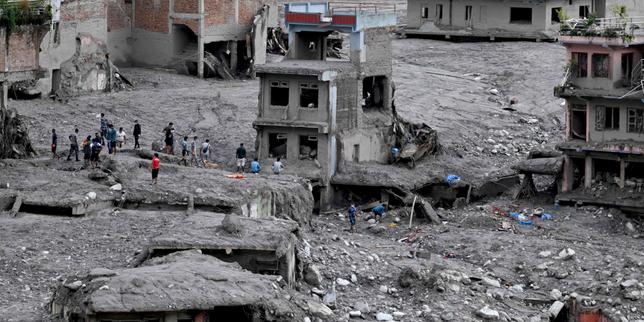
The death toll from devastating Himalayan glacial floods crossed the grim 1,000 mark on Tuesday, as Chinese and Nepali teams searched for survivors including dozens feared trapped in hydropower tunnels. Nearly 4,500 people are missing after the gigantic wave of freezing water, rocks and debris from a high-altitude glacial collapse roared downstream on Wednesday, wiping […]
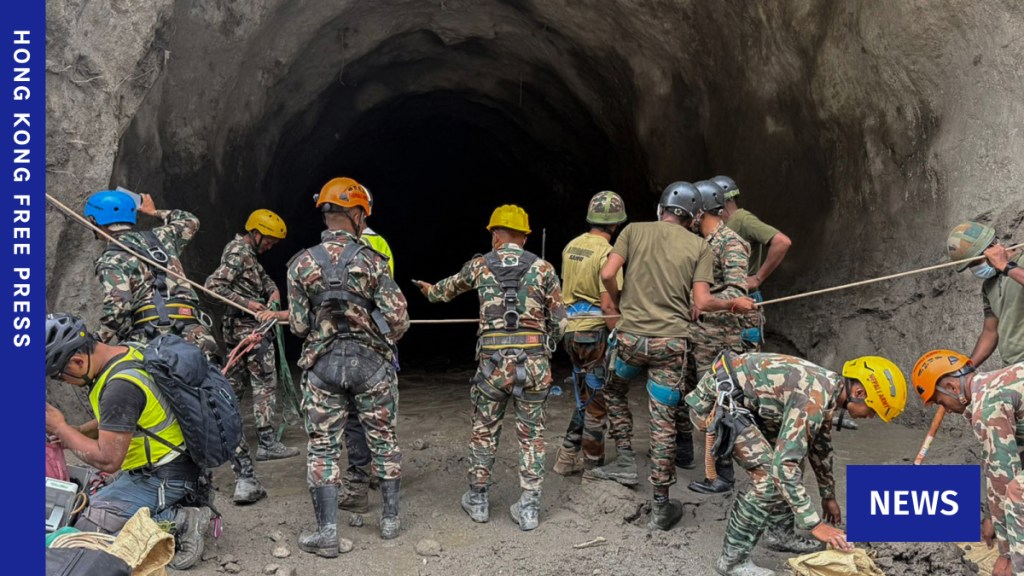
The death toll from catastrophic Himalayan glacial floods surpassed the tragic milestone of 1,000 on Tuesday, as Chinese and Nepali rescue teams continued their efforts to locate survivors. Among those feared trapped in hydropower tunnels were dozens of individuals. Army personnel were conducting a search and rescue operation at the Rasuwagadhi Hydropower project site in Rasuwa.
Nearly 4,500 people remain missing after the massive wave of icy water, rocks, and debris from a high-altitude glacial collapse swept downstream on Wednesday, devastating entire communities and carving a path of destruction through Nepal. Nepali rescue teams were working tirelessly in hazardous conditions to free approximately 100 hydropower workers believed to be trapped in multiple tunnels.
So far, only corpses had been retrieved from tunnels blocked with sludge. Raja Ram Basnet, a spokesman for the Nepal Army, told AFP that the focus remained on search and rescue operations, with soldiers also deployed to collect bodies and prevent the spread of disease. Mortuaries in Nepal were overflowing, leading authorities to begin burying hundreds of unidentified bodies after DNA sampling.
At least 17 bodies were also recovered from rivers far downstream in India. Nepali Prime Minister Balendra Shah described the catastrophe as "unimaginable and heartbreaking," and people in Kathmandu lined up to search for their missing relatives, posting photos outside a hospital in the hope of finding them alive. In Chitwan district, relatives of victims held memorial services and cremated the deceased.
Soldiers were seen unloading bodies of victims from helicopters in Nepal’s Nuwakot and Rasuwa districts. Aid needs were immense, with entire communities swept away, leaving families homeless and using makeshift shelters during heavy rain. Roads, dozens of bridges, and power plants were destroyed, and the scale of destruction left many questioning the impact of climate change.
Written by urgent.news from Hong Kong Free Press's reporting — not their text. Machine-written — may contain errors; check the original before relying on it.
Also reported by 5 other outlets
- China-Nepal flood toll tops 1,000 as tunnel rescue offers last hope koreatimes.co.kr
- China-Nepal flood toll tops 1,000 as tunnel rescue offers last hope hongkongfp.com
- China-Nepal flood toll tops 1,000 as tunnel rescue offers last hope lemonde.fr
- China-Nepal flood toll tops 1,000 as tunnel rescue offers last hope nst.com.my
- China-Nepal flood toll tops 1,000 as tunnel rescue offers last hope torontosun.com