As Chinese chipmakers snap up local gear, self-sufficiency drive faces commercial test
Chinese chipmakers are setting increasingly aggressive targets to source production equipment locally, adding pressure on domestic toolmakers to come up with machines that are reliable in the exacting environment of high-volume wafer production. Several new wafer fabrication plants, or fabs, in the country were setting explicit localisation targets, according to Jie Chen, chairman of Britech…
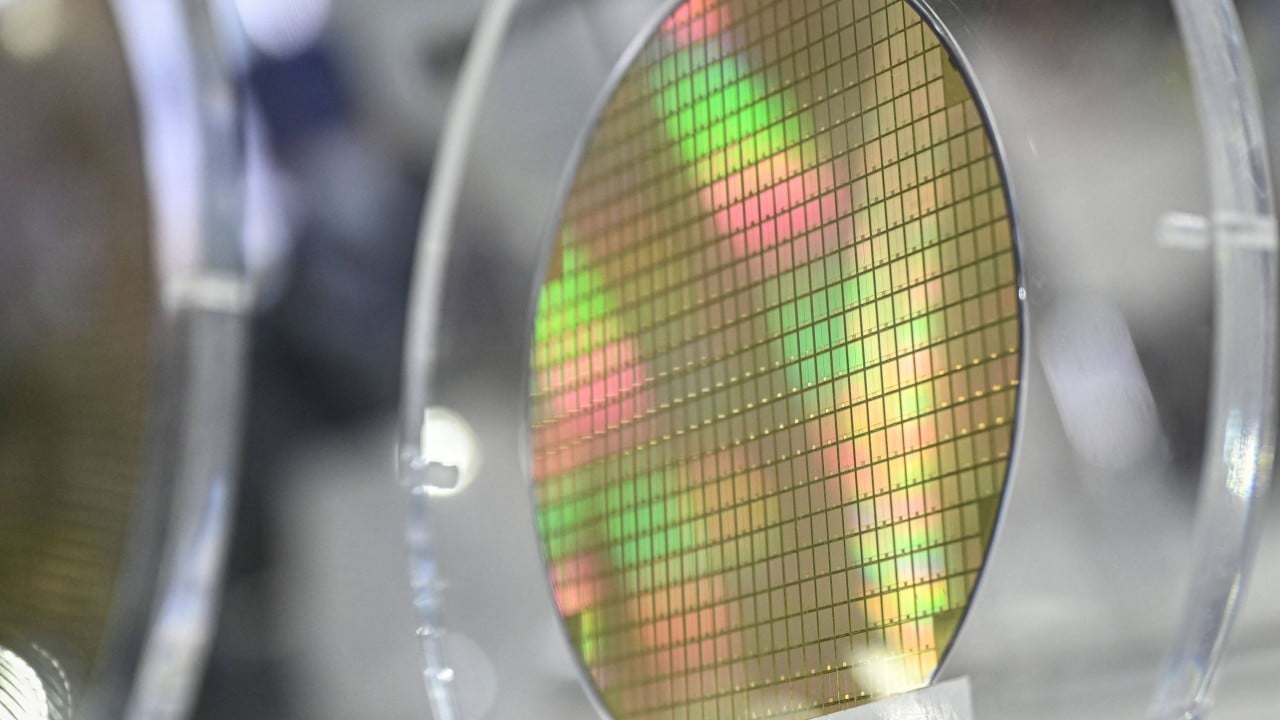
Chinese chipmakers are aggressively targeting greater local sourcing of production equipment, putting additional pressure on domestic toolmakers to create machines capable of withstanding the high-volume wafer production environment. Jie Chen, chairman of Britech Semiconductor Equipment (Shanghai) Corp, revealed at an industry conference in Wuxi that a major customer aims for 80% localisation of equipment at its new fab.
Flash memory maker Yangtze Memory Technologies Corp has seen the pace of this transition accelerate, having initially sourced about half of its tools from American manufacturers before being targeted under US export restrictions in 2022. Now, it works towards building a fab that relies primarily on domestic machinery. However, industry leaders warn that the equipment sector must shift from technical feasibility to commercial reliability, moving from a "zero-to-one" phase to a "2.0 era."
Making one machine is relatively simple, but ensuring that five, ten, fifty or even a hundred machines perform at the same level is a major challenge, as wafer fabrication facilities require identical consistency across multiple chambers and machines. Beijing's efforts to reduce dependence on foreign suppliers extend beyond chipmakers to upstream materials suppliers, with Xian ESWIN Material Technology now using 52% domestic machinery for 12-inch silicon wafer production, up from 42% in 2024, with a target of 58% by 2027.
This push is benefiting domestic toolmakers, with Naura Technology Group reporting a 25% year-on-year revenue growth, Advanced Micro-Fabrication Equipment (AMEC) up nearly 35%, and deposition specialist Piotech posting a 50% sales jump. These domestic suppliers are moving beyond simply replacing foreign tools to competing directly against global leaders, aiming to achieve productivity and market success.
According to market research firm Yole Group, domestic suppliers accounted for 23% of semiconductor equipment sales in China in 2025, projected to increase to 39% by 2030. China currently accounts for about one-third of global equipment demand, and Goldman Sachs expects China's wafer-fabrication equipment spending to grow from $44.3 billion this year to $60.7 billion by 2028, particularly in memory sectors.
Written by urgent.news from South China Morning Post's reporting — not their text. Machine-written — may contain errors; check the original before relying on it.