Antimicrobial Resistance Is Killing Millions. Climate Change Is Making It Worse.
A growing body of evidence indicates that factors such as rising temperatures and extreme weather are contributing to what some researchers have called “the slow pandemic.”
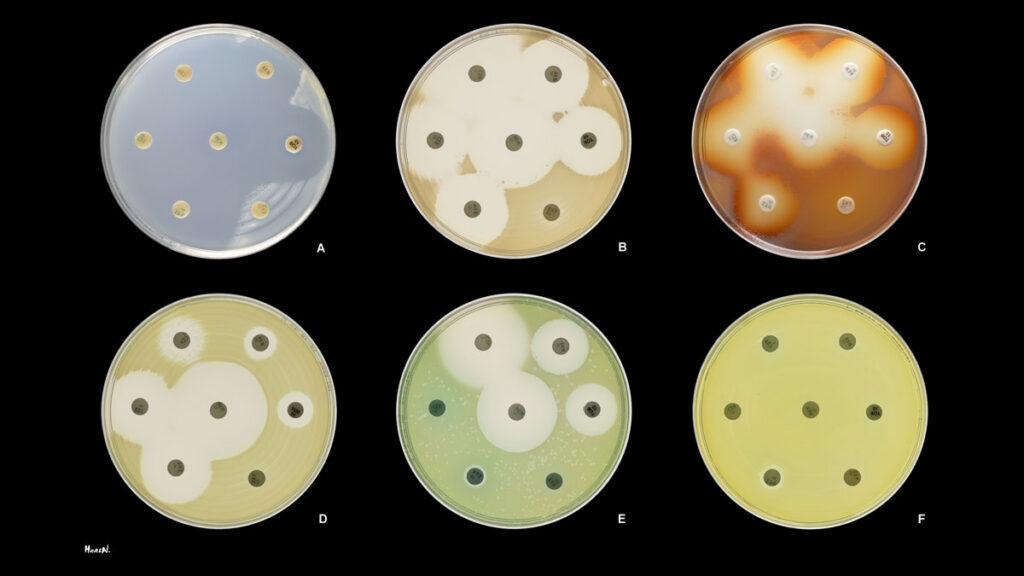
Antimicrobial resistance (AMR) is claiming the lives of millions of people globally, and climate change is exacerbating the problem, according to the World Health Organization (WHO). AMR occurs when microbes become less affected by antibiotics, rendering them less effective in treating infections. The overuse and misuse of antibiotics in human, animal, and agricultural settings contribute significantly to this issue. However, recent research indicates that climate change may also play a role in the spread of AMR.
Dr. Ronan Adler Tavella, an environmental health scientist, explains that antimicrobial-resistant genes (ARGs) exist in nature due to competition among various microbial groups. These genes can transfer between bacteria through horizontal gene transfer, allowing for the rapid spread of resistance. Soil microbes naturally produce antimicrobial compounds and resistance mechanisms, which can be advantageous in ecological competition.
The rise of AMR is driven by many factors, including the misuse and overprescription of antibiotics, not only for humans but also for controlling disease in livestock and crops. A growing body of evidence suggests that climate change modifies the environmental, ecological, and social conditions that allow resistant microorganisms and resistance genes to emerge, persist, move, and reach humans, animals, and ecosystems.
AMR is a significant threat to modern medicine, as antimicrobials are essential for treating a wide range of infections, from simple cuts to serious diseases like pneumonia, tuberculosis, and malaria. Sarah Paulin-Deschenaux, a microbiologist at WHO, emphasizes that antibiotics are the "pillar of basic and modern medicine," and their effectiveness is crucial for enabling surgical procedures, safe childbirth, and cancer chemotherapy.
Climate change can stress soil microbes through various factors, such as heavy metals, fertilizers, and pharmaceutical waste in soil. These stresses can increase the mutation rates of microbes, leading to the development of more resistant strains. This phenomenon can contribute to the spread of AMR, making infections harder to treat and potentially leading to more fatalities worldwide.
Written by urgent.news from Eos's reporting — not their text. Machine-written — may contain errors; check the original before relying on it.