Africa’s colonial ecological debt could exceed hundreds of trillions of dollars – Report
A groundbreaking analytical report titled “CO2lonialism-Ecocide-Reparations” has been unveiled at the University of Lagos, presenting a new and potentially monumental dimension to Africa’s reparations agenda.
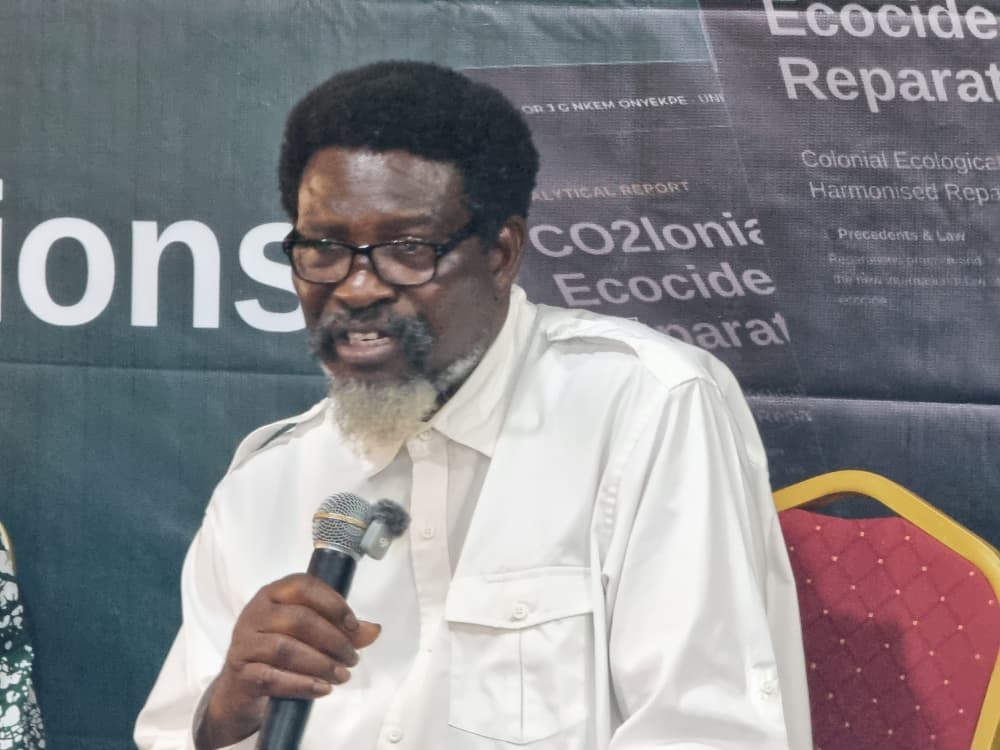
A pioneering report titled "CO2lonialism-Ecocide-Reparations" unveiled at the University of Lagos asserts that the ecological damage inflicted by British colonialism in Africa could surpass hundreds of trillions of dollars. Prof. J. G. Nkem Onyekpe, who led the report, presented it to an esteemed gathering of academics, legal authorities, and activists.
The report distinguishes ecological harm from the humanitarian impact of the slave trade with a valuation significantly higher. Prof. Onyekpe underscores that while historical wrongs are substantial, the systematic extraction of resources, lands, and energy during colonialism has engendered a severe ecological debt demanding a quantified monetary assessment.
He cites a 2022 study, which valued resource appropriation from the Global South as over $10 trillion per year in 2015. Expanding this logic backward to cover the entire colonial era and all affected African nations could result in hundreds of trillions of dollars in damages, potentially even surpassing that amount. This report is poised to be submitted to the African Union’s new sub-commissions, AUCER and AULER, which are dedicated to creating a standardized approach for reparations claims.
If this methodology is embraced, the $5 trillion demand made by Senator Ned Nwoko for British reparations would fall short. The legal and institutional groundwork for such claims has considerably improved since 2021, including the adoption of a working definition of ecocide by the Independent Expert Panel, as well as binding agreements by the Council of Europe and the European Union, and a proposal pending before the International Criminal Court.
Furthermore, a precedent exists in the 1990s Nauru case, where the International Court of Justice awarded damages to a formerly colonized state for environmental destruction during colonial phosphate mining. This case illustrates that such claims are not mere theoretical constructs but are grounded in international law. As the African Union designates 2025 as the Year of Reparations, this report is anticipated to be a crucial document for guiding the continent’s reparations strategy, highlighting environmental repair as a vital aspect of justice for Africa.
Written by urgent.news from MyJoyOnline Ghana's reporting — not their text. Machine-written — may contain errors; check the original before relying on it.