You’re a people pleaser? Here’s how to not lose yourself.
Hi readers! Shayla Love here, science journalist and longtime fan of Your Mileage May Vary. I’m honored to be subbing for Sigal Samuel while she’s out on parental leave. I’m diving into your questions as a way to help understand human nature and our choices through multiple lenses: philosophical, psychological, and beyond. Please send in any emotional, […]
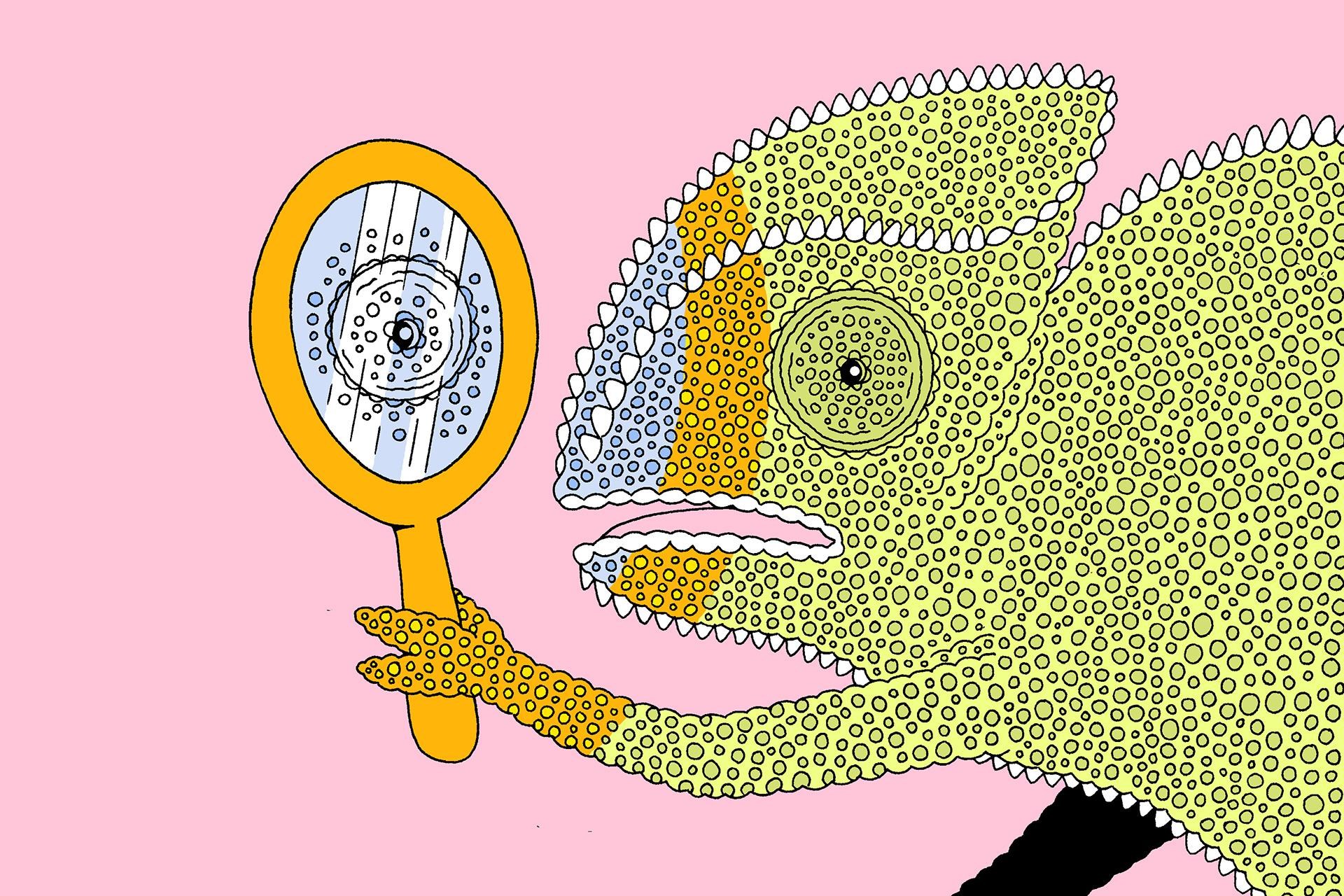
Dear Identity Crisis, being labeled a people pleaser may seem like a negative assessment, but it can also signify a genuine desire to connect with others. However, the term often serves as a subtle euphemism for lying. In psychological studies, people tend to lie when they wish to appear more agreeable, such as complimenting a friend or ensuring a pleasant social interaction. While these lies might seem noble, they ultimately deceive others and create a sense of falseness in relationships.
Consider how you might feel if you discovered that all your interactions with a close friend were filled with deception. The authenticity of your connection would be compromised. This realization can help shift your perspective and motivate you to be more honest with yourself and others.
Trusting others to handle your genuine thoughts and feelings is crucial, as it can lead to greater well-being and a more meaningful life. Researchers have found that when individuals make decisions aligning with their true selves, they experience higher satisfaction compared to decisions influenced by others' expectations, religious beliefs, or external advice.
To begin this journey of self-discovery, try framing your choices as guided by your true self. This simple exercise can help you make decisions that feel more authentic and true to who you are. Additionally, defining your true self through moral qualities such as generosity and creativity can serve as guiding principles when faced with difficult choices.
If the concept of a true self still feels abstract, you might explore Eastern philosophies like Buddhism and Taoism. These traditions emphasize the idea of "no self" (anatman in Buddhism), which challenges the notion of a rigid self and encourages a more fluid understanding of identity. Embracing this perspective can provide a fresh lens through which to view your personal growth and relationships.
Written by urgent.news from Vox's reporting — not their text. Machine-written — may contain errors; check the original before relying on it.