A decade after Colin Kaepernick took a knee that led to his exile, the ripple effects continue
Ten years have passed since Colin Kaepernick knelt during the national anthem, an act that began a long-lasting chain of events. On that warm Southern California night in September 2016, Kaepernick did not change physically or mentally, but his gesture did capture the attention of the world. His intention was to bring awareness to social issues such as racial injustice, minority oppression, and police brutality.
He chose to sit on the bench during previous games, but it was his kneeling that received international notoriety.
Former NFL player and retired Green Beret Nate Boyer encouraged Kaepernick to kneel instead of sitting. Kaepernick's decision to kneel was never publicized or advertised, but the moment was spontaneous and respectful to those in the military. Harry Edwards, a sociologist and former 49ers advisor, foresaw the potential consequences of Kaepernick's action. He warned Kaepernick of the potential backlash and risk to his football career, given his status as a Black male in the predominantly White sport of football.
Kaepernick's protest against racial injustice quickly turned into a divisive cultural flashpoint. Critics argued that his method was offensive, particularly to those in the military. Notable figures like then-Republican presidential nominee Donald Trump and fans burned his jersey in anger. Despite efforts to steer the conversation towards racial injustice, it was often derailed onto other topics.
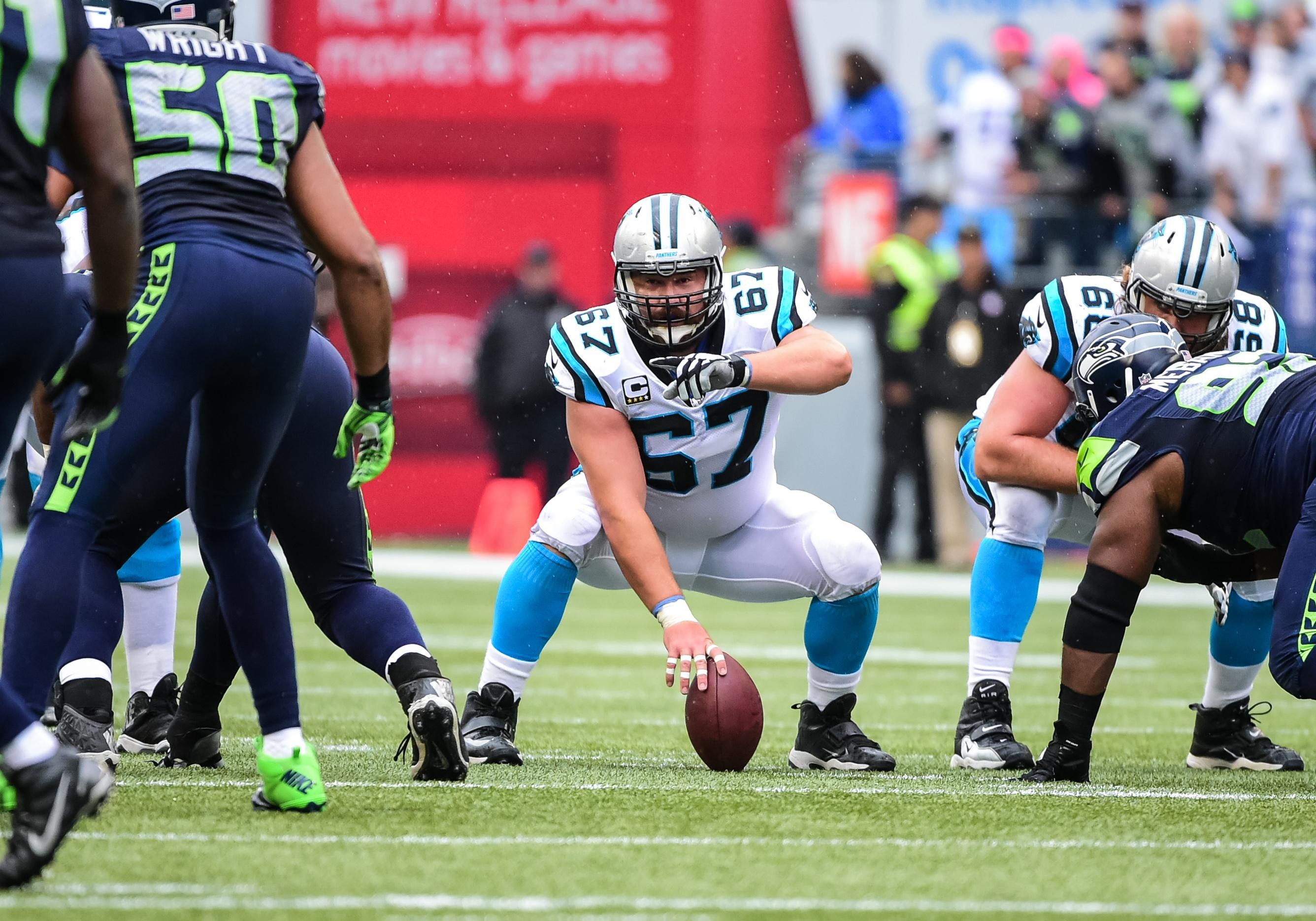
After a disappointing 2-14 season with the 49ers, Kaepernick's career came to an end, with his final pass sealing a victory for the Seahawks in a game that marked the end of his NFL career.
Written by urgent.news from Winnipeg Free Press's reporting — not their text. Machine-written — may contain errors; check the original before relying on it.